Caryota tenuis
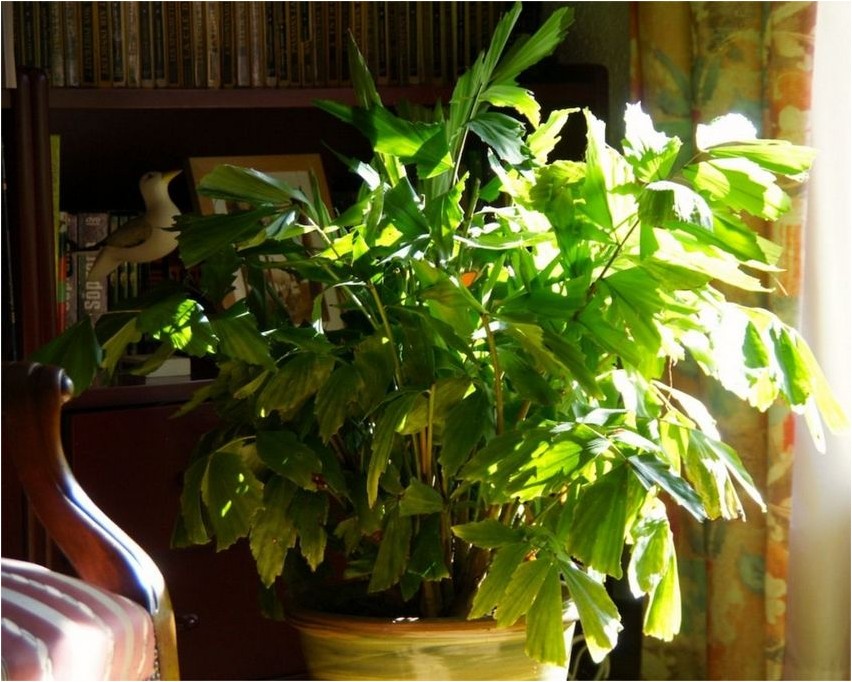
caryota tenuis is also known as the soft palm or the red tail palm. The Latin name for this plant is Caryota mitis.
Caryota tenuis is a member of the Arecaceae family, which is also known as Arecaceae.
Description of Caryota tenuis
For optimal growth, this plant requires either full sun or partial shade. Watering during the summer should be generous, while maintaining high humidity.
Caryota tenuis is an evergreen tree. It is worth noting that this plant is most often found in greenhouses or conservatories. As for indoor plants and general-purpose spaces, only young specimens are suitable. The maximum height of this plant is approximately seven meters. Description of Growing and Caring for Caryota Tenderness
To ensure that Caryota Tenderness enjoys its long-lasting beauty, regular repotting is recommended. Repotting should be done approximately every few years, using larger pots or tubs. For this, you’ll need to prepare the following soil mixture: mix two parts turf and leaf mold, and one part sand. The soil mixture should be slightly acidic.
It’s important to remember that for Caryota Tenderness to thrive, it’s crucial to provide adequate shade from direct sunlight. This is especially true for young plants. It’s important to mist this plant frequently, especially in hot weather. It’s also important to avoid excessively dry air and overwatering. Otherwise, the leaf tips may turn brown. In some cases, the plant may be damaged by scale insects or spider mites.
Throughout the dormant period, it’s important to maintain an optimal temperature for growing Caryota tenderloin: this temperature should not fall below 18 degrees Celsius. A dormant period is necessary when the plant is grown indoors. The dormant period begins in October and ends in February. This period occurs because light levels are low and humidity levels are also insufficient.

Caryota tenderloin can be propagated by sowing seeds or by separating offshoots from the root collar. However, it should be noted that the latter method only applies to mature Caryota tenderloin plants.
Regarding the specific requirements of this plant, it’s important not to allow the humidity to drop below 60 percent. The soil should also not dry out. Caryota tenderloin’s leaves are also decorative.
Regarding the color and shape of the leaves, Caryota tenderloin is the only palm with bipinnate leaves. Each segment of these leaves will resemble either a distinctive fishtail or a small fan. The leaves of the tender caryota grow to approximately one to three meters in length.
If all the care requirements for tender caryota are followed, the plant will delight you with its attractive appearance for a long time.
Tender caryota