Raffia palm or Raffia
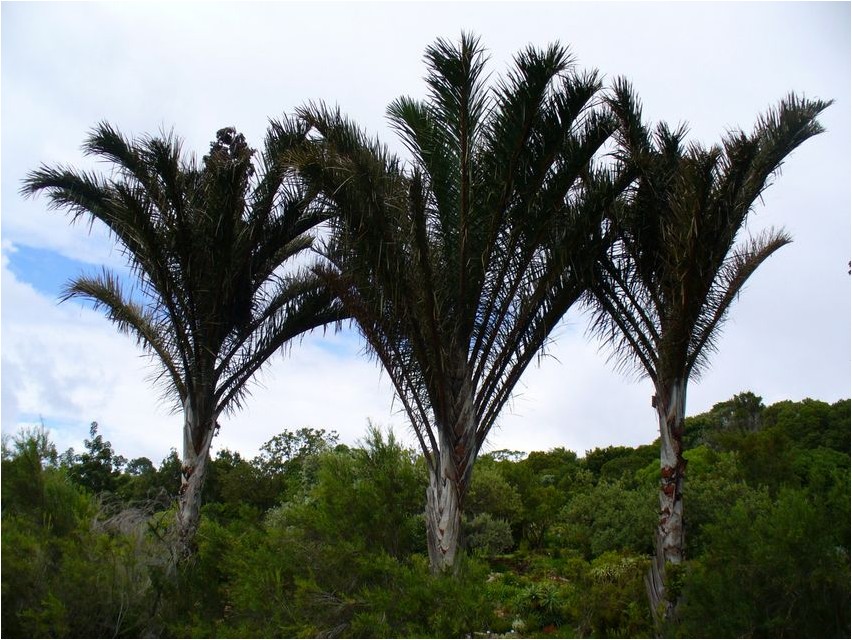
Raffia palm, or Raffia (lat. Raphia) is a genus of evergreen plants of the Arecaceae (lat. Arecaceae), or Palm (lat. Palmaceae) family.
Like other types of palms, plants of the genus Raffia are easily recognizable due to their luxurious, feathery leaves. Moreover, it is palm trees of this genus that have the largest leaves among all plants on our planet. The species “Raphia regalis” is distinguished by its especially large leaves, and the species “Raphia taedigera” chose the tropics of South and Central America for its place of residence, while other species of the genus preferred Africa, and especially loved the island of Madagascar.
Description
The Raphia genus includes about twenty species of palm trees growing in the tropical regions of the African continent, and only one species called “Raphia taedigera” preferred the American tropics to Africa. The large leaves of the palm “Raphia taedigera” are riddled with veins that serve as fibers called “raffia” to humans. In addition, the palm produces fruits called “Brazilian pods” (“uxi nuts” or “uxi pods”).
Palm trees of the Raffia genus are not distinguished by their height, rising to the skies to a height of only sixteen meters. But in terms of the size of their leaves, they are the leaders among all other representatives of the plant world. The palm “Raphia regalis” was especially distinguished in this, the length of its leaves reaches twenty-five meters and their width is three meters.
Different species of the genus have different reproductive abilities. Some species are monocarpic plants, that is, they bloom and bear fruit only once in their life. Having entrusted their continued existence on earth to ripened fruits, the palm trees die entirely. But there are also species in which, after fruiting, only individual stems die, having fulfilled their purpose in this world, while the root system remains alive, giving birth to new stems, ready to bear fruit again.
Raffia textile fibers
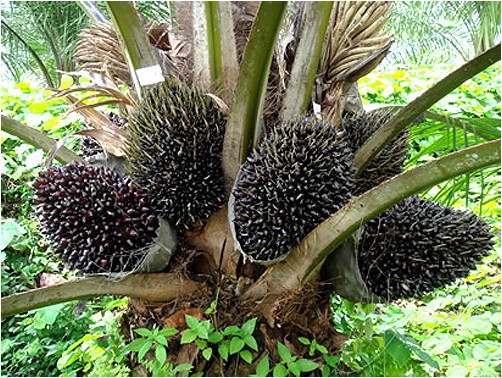

Raffia fibers are widely used throughout the world. They are used to weave ropes and twine; they make napkins, hats to protect the head from sunstroke, shoes and all kinds of textile products, including decorative rugs and rugs.
The fibers are obtained from veins located on the underside of each individual leaflet, which form one large pinnate leaf. The veins are removed from the leaf to create a thin, long fiber that is easily dyed and used in a similar way to textile fibers from other plants.
Raffia fibers are especially good in gardening as a natural rope when, for example, trees need to be replanted. They are also used in construction.
Raffia palm juice and wine
A milky white liquid containing sugars flows through the internal arteries of the trunk of the Raffia palm to nourish the leaves of the palm. An inventive person has adapted to collecting this nutritious and tasty drink, similar to collecting birch sap in our country. In the upper part of the stem, the so-called “crown” of the palm tree, people make cuts, hang a pumpkin bottle and get the finished juice. True, unlike oil palm trees, the sap of which is also collected by people, for the Rafia palm tree such a process is destructive, which does not stop people.
Freshly collected juice has a sweet taste. After standing for several days, it turns into wine, which has three degrees of alcohol. Wine made from the sap of the Raffia palm is sweeter than wine from the oil palm. Lovers of stronger drinks distill wine, obtaining the desired strong potion, which they drink themselves and treat their guests.
Similar drinks are popular in the Philippines, Congo, Cameroon, Nigeria and among some other ethnic groups living in the tropics of West Africa.
It turns out that Rafia’s fermented drink was enjoyed not only by people, but also by chimpanzees, whose lives were observed by scientists in Guinea-Bessau for seventeen years. The chimpanzees stole wine from containers hung on palm trees by people and got high.
All about Raffia — types of raffia, details about Raffia Fibranatura consumption, comparison and testing + BONUS
Raffia palm or Raffia
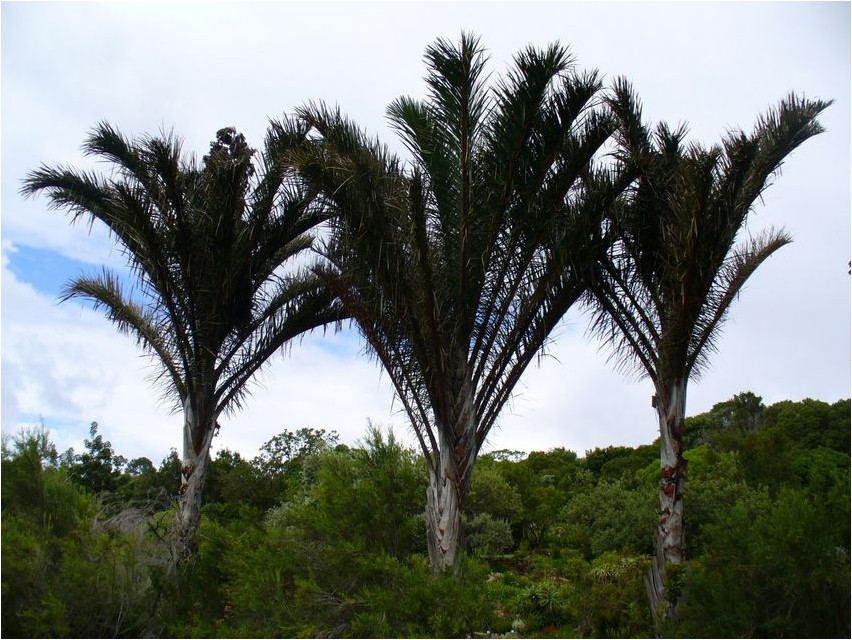
Raffia palm, or Raffia (lat. Raphia) is a genus of evergreen plants of the Arecaceae (lat. Arecaceae), or Palm (lat. Palmaceae) family. Like other types of palms, plants of the genus Raffia are easily recognizable due to their luxurious, feathery leaves.
Moreover, it is palm trees of this genus that have the largest leaves among all plants on our planet. The species “Raphia regalis” is distinguished by its especially large leaves, and the species “Raphia taedigera” chose the tropics of South and Central America for its place of residence, while other species of the genus preferred Africa, and especially loved the island of Madagascar.
Description
The Raphia genus includes about twenty species of palm trees growing in the tropical regions of the African continent, and only one species called “Raphia taedigera” preferred the American tropics to Africa. The large leaves of the palm “Raphia taedigera” are riddled with veins that serve as fibers called “raffia” to humans. In addition, the palm produces fruits called “Brazilian pods” (“uxi nuts” or “uxi pods”).
Palm trees of the Raffia genus are not distinguished by their height, rising to the skies to a height of only sixteen meters. But in terms of the size of their leaves, they are the leaders among all other representatives of the plant world. The palm “Raphia regalis” was especially distinguished in this, the length of its leaves reaches twenty-five meters and their width is three meters.
Different species of the genus have different reproductive abilities. Some species are monocarpic plants, that is, they bloom and bear fruit only once in their life. Having entrusted their continued existence on earth to ripened fruits, the palm trees die entirely. But there are also species in which, after fruiting, only individual stems die, having fulfilled their purpose in this world, while the root system remains alive, giving birth to new stems, ready to bear fruit again.
Raffia textile fibers
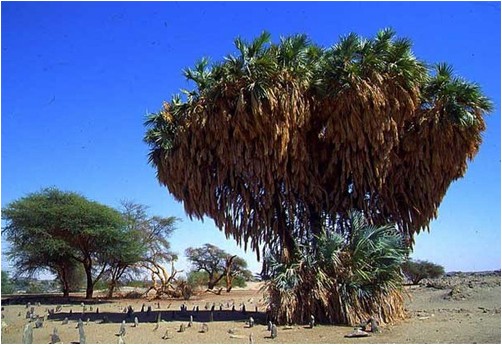
Raffia fibers are widely used throughout the world. They are used to weave ropes and twine; they make napkins, hats to protect the head from sunstroke, shoes and all kinds of textile products, including decorative rugs and rugs.
The fibers are obtained from veins located on the underside of each individual leaflet, which form one large pinnate leaf. The veins are removed from the leaf to create a thin, long fiber that is easily dyed and used in a similar way to textile fibers from other plants.
Raffia fibers are especially good in gardening as a natural rope when, for example, trees need to be replanted. They are also used in construction.
Raffia palm juice and wine
A milky white liquid containing sugars flows through the internal arteries of the trunk of the Raffia palm to nourish the leaves of the palm. An inventive person has adapted to collecting this nutritious and tasty drink, similar to collecting birch sap in our country. In the upper part of the stem, the so-called “crown” of the palm tree, people make cuts, hang a pumpkin bottle and get the finished juice. True, unlike oil palm trees, the sap of which is also collected by people, for the Rafia palm tree such a process is destructive, which does not stop people.
Freshly collected juice has a sweet taste. After standing for several days, it turns into wine, which has three degrees of alcohol. Wine made from the sap of the Raffia palm is sweeter than wine from the oil palm. Lovers of stronger drinks distill wine, obtaining the desired strong potion, which they drink themselves and treat their guests.
Similar drinks are popular in the Philippines, Congo, Cameroon, Nigeria and among some other ethnic groups living in the tropics of West Africa.
It turns out that Rafia’s fermented drink was enjoyed not only by people, but also by chimpanzees, whose lives were observed by scientists in Guinea-Bessau for seventeen years. The chimpanzees stole wine from containers hung on palm trees by people and got high.
Raffia palm or Raffia raffia