Ardisia
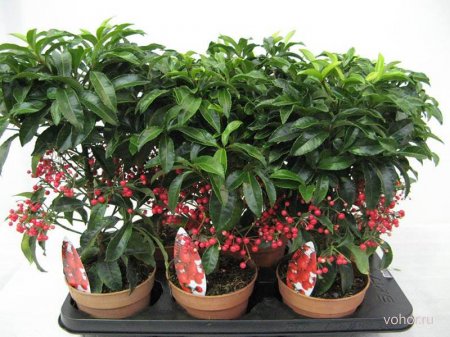
Ardisia is an evergreen shrub grown as a houseplant. The genus contains approximately 250 species, but only a few are commonly cultivated, including A. crenate, A. lowbush, A. curly, A. solanacea, A. walicchiana, and A. malouiana.
The plant is prized for its picturesque crimson fruits (not edible or poisonous). The bush can reach a height of over 1. 5 m, although some species reach a height of 40-80 cm. Flowering and fruiting occur in the fall and winter.

ardisia Care and Cultivation
For growing Ardisia, use a peat-based substrate. Neutral or slightly alkaline soil can also be used. It is important that the substrate is loose and well-drained. Choose a pot that’s not too large; the plant doesn’t like a lot of space and thrives in cramped conditions.
In summer, ardisia is kept outdoors whenever possible. From spring to fall, the plant should be kept in a bright area, protected from direct sunlight, at a temperature of 18-20 degrees Celsius. In winter, keep the plant at a temperature of 12-16 degrees Celsius, which promotes prolonged fruiting. At higher temperatures, regular ventilation of the building is required.
Water generously, avoiding stagnant moisture. In winter, reduce watering, watering as the soil dries. Regular misting has a positive effect on the plant’s health; do not mist the bush during fruiting.

Mineral fertilizers are applied from spring to the first half of fall, every 2-3 weeks. In winter, ardisia requires no additional feeding. To ensure the bush matures, trim the shoots by 1/3 in early February, removing weak and dying shoots.
Repot in the spring, as the plant grows, when it feels cramped in its pot. The surface soil can be replaced annually.
Propagating Ardisia
The plant is propagated by cuttings and seeds. Seeds are sown in early March in a loose, light substrate. Germinate at a temperature of 22°C (72°F) under glass. Once the seedlings have emerged, transplant them into separate containers with nutrient-rich substrate. Ardisia grown from seed reaches its full decorative potential in its third year.

apical cuttings are taken in the summer, treated with a rooting stimulant, and rooted in nutrient-rich substrate, under film or glass, in a bright area with bottom heating (25°C (77°F)). In the spring, the raised plants are transplanted into a medium for mature plants and watered more deeply. Cuttings root slowly and not always successfully, but despite all of the above, ardisia grown from cuttings achieves its decorative value more quickly.
Diseases and Pests
Ardisia may suffer from aphids, spider mites, mealybugs, and scale insects. Overwatering can cause leaf drop.
Ardisia
Ardisia