Stinging Nettle
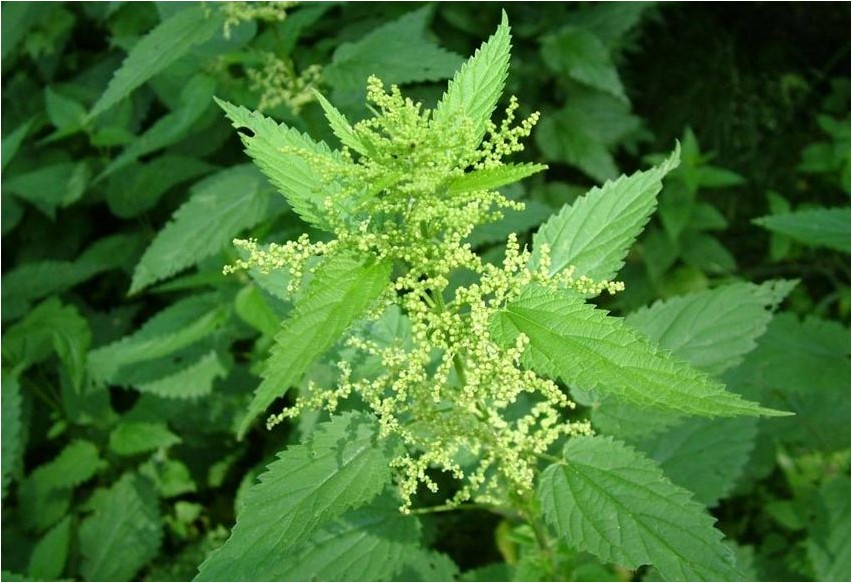
Stinging nettle is a member of the Urtica dioica family. Its Latin name is Urtica dioica L.
The Latin name of the stinging nettle family is Urticaceae Juss.
Description of Stinging Nettle
Stinging nettle is also known by the following common names: stinging nettle, stinging nettle, stinging nettle, stinging nettle, stinging nettle, stinging nettle, stinging nettle, stinging nettle, and stinging nettle. Stinging nettle is a perennial herbaceous plant with a tetrahedral stem that grows approximately seventy to one hundred and fifty centimeters tall. The leaves are opposite, coarsely toothed, and ovate-lanceolate. The stems and leaves of stinging nettles are covered in hairs containing a caustic, poisonous liquid. These hairs end in brittle points impregnated with silica. When touched, the points break off and penetrate the skin, creating a wound. The poisonous liquid enters this wound, causing a burning sensation.
The fruit of this plant is an elliptical or ovoid nut, colored yellowish-gray. The length of this fruit is no more than one and a half millimeters. Stinging nettles bloom from June to September, while the seeds ripen in August and September. In terms of distribution, this plant is found throughout the world. Stinging nettle prefers shrubby habitats, riverbanks, meadows, shady, moist areas, wastelands, roadsides and edges, mountains, lava flows, and forest clearings. It’s worth noting that the plant also grows as a weed in crops. It is cultivated in some European countries.
Description of the Medicinal Properties of Stinging Nettle
Stinging nettle has valuable medicinal properties, and its leaves are recommended for medicinal use. These leaves should be collected during the flowering period. The fruits, leaves, and roots with rhizomes are widely used in folk medicine.
The presence of such valuable healing properties should be explained by the content of carotenoids, carotene, vitamin C, tannins, chlorophyll, as well as the following organic acids in the leaves of this plant: lactic, quinic, citric, oxalic, fumaric and succinic. Also in the aerial part of stinging nettle is essential oil, starch, flavonoids, sitosterol, pantolenic acid, silicon, boron, titanium, potassium, calcium, manganese, mineral salts, histamine, phytoncides and many other useful substances. It should be noted that in terms of protein content, this plant will not be inferior to such nitrogen-containing plants as beans, beans and peas.

Stinging nettle has antiseptic, tonic, anti-inflammatory, wound healing, choleretic, hemostatic, mild laxative, diuretic, expectorant, multivitamin and anticonvulsant effects.
Externally, a decoction prepared from the roots and rhizomes of this plant should be used in the form of wet compresses for various skin inflammations, as well as rinses for inflammatory processes in the mouth and throat. For external hemorrhoids, this decoction is used for sitz baths. Also externally, an infusion of stinging nettle leaves is used as a gargle to strengthen gums and for sore throats. For better hair growth, you should wash your hair with infusion and decoction of stinging nettle.





