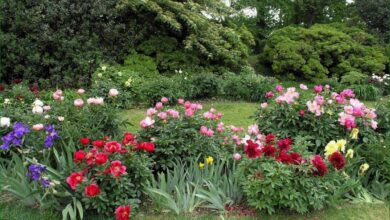
Kletra
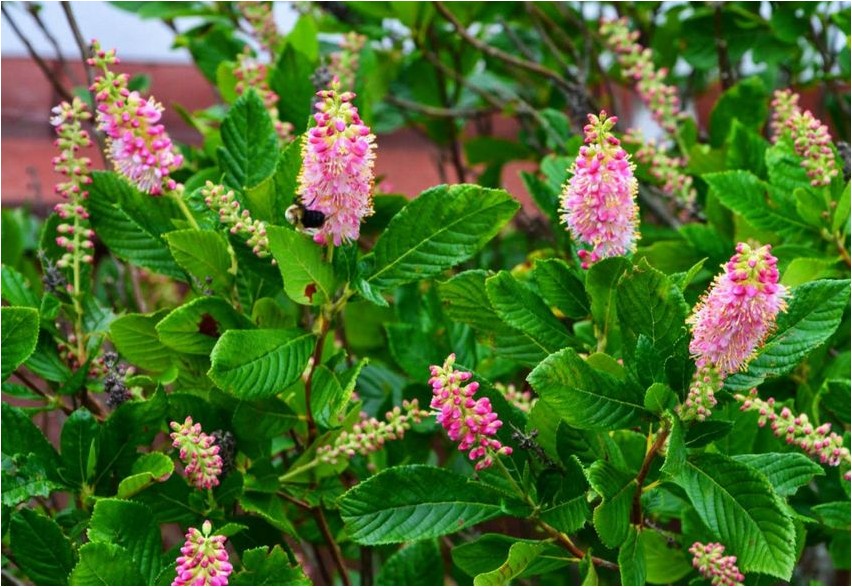
Clethra (lat. Clethra) is a genus of trees and shrubs of the Clethra family. In nature, plants can be found near forest streams or swamps. Currently cultivated everywhere. Some species are distinguished by increased decorative properties.
Characteristics of culture
Cletra are evergreen or deciduous shrubs or trees with hairy, pubescent shoots. The leaves are entire, with serrated edges, arranged alternately. The flowers are small, white, collected in paniculate or racemose inflorescences. The fruit is a capsule. The unripe fruit is vertical and elongated, the mature fruit is oval or round. The root system is branched, superficial, has several strong main roots and many branches.
Growing conditions
Cletra prefers well-moistened, sandy-humus, acidic soils with good drainage. Strong squally winds are treated negatively; plants need protection in the form of tall trees or shrubs. The culture does not accept neutral soils. The location is preferably semi-shaded, especially in the afternoon. Clethra cannot boast of winter hardiness; it needs shelter for the winter.
Reproduction
Clethra is propagated by seeds, shoots and green cuttings. However, it is problematic for inexperienced gardeners to propagate plants, especially for residents of the Urals, Siberia and Primorsky Territory. The fact is that cletra seeds do not have time to ripen, and cuttings have low rooting ability, even when treated with stimulants.
In the southern regions, seeds are sown in open ground without prior preparation. Planting depth is 0. 2 cm. Shoots appear in 1-3 months. When cuttings, planting material is cut in July-August. The optimal cutting length is 7-10 cm.
Care
Cletra has a negative attitude towards drought, so watering is one of the most important care procedures. The crop requires regular sanitary pruning, which involves removing diseased, broken and frozen shoots. Pruning of the shoots is also necessary, otherwise the plants will fill large areas. Young plants require shelter. Adult specimens can withstand frosts down t o-30C. With the onset of cold weather, it is recommended to mulch the tree trunk area with peat or dry fallen leaves.

Application
Clethra is very popular in ornamental gardening. It is simply irreplaceable in wetlands, as well as in shady areas. It gets along well with azaleas, rhododendrons, kalmia and other ornamental shrubs. The only drawback of the culture is the late appearance of foliage; as a rule, the first leaves open at the end of May. Cletra is ideal for autonalia; its rich yellow foliage looks harmonious on withered areas in the autumn.