Vinyl siding is a solution for reliable and stylish cladding of house facades
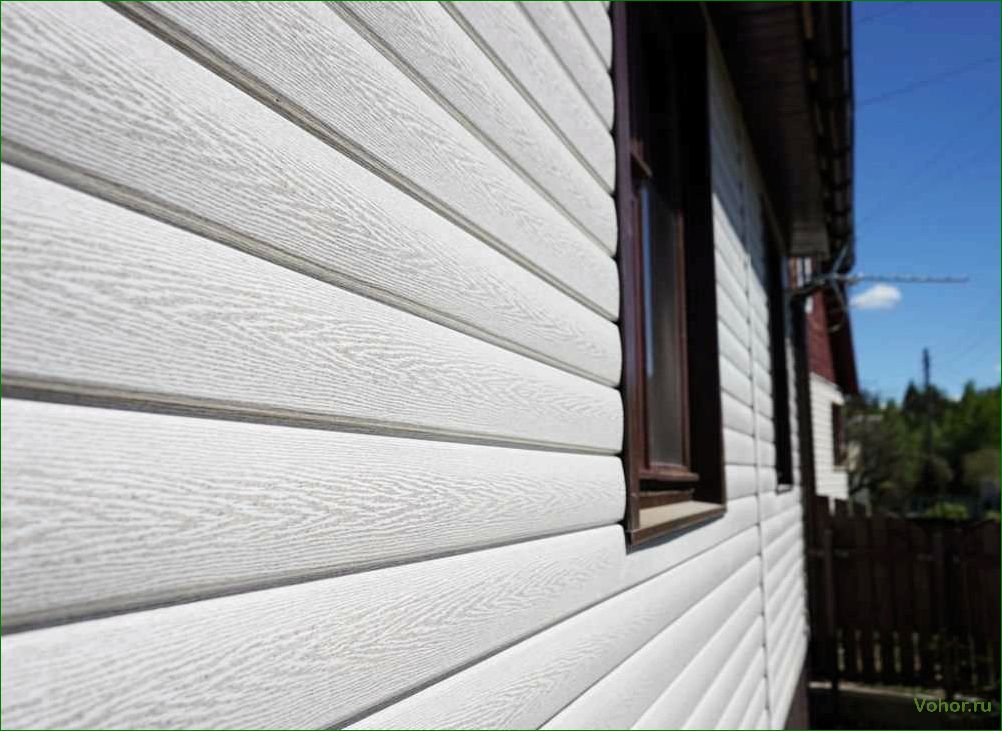
Vinyl siding is a modern and popular material that is used for cladding the facades of various types of buildings. It has many advantages that make it one of the most sought-after materials on the finishing materials market.
Contents of the article:
siding is made of high-quality plastic – polyvinyl chloride (PVC), which provides it with high strength and durability. Thanks to this material, vinyl siding is not susceptible to corrosion, rotting and mold, which makes it ideal for use in any climatic conditions.
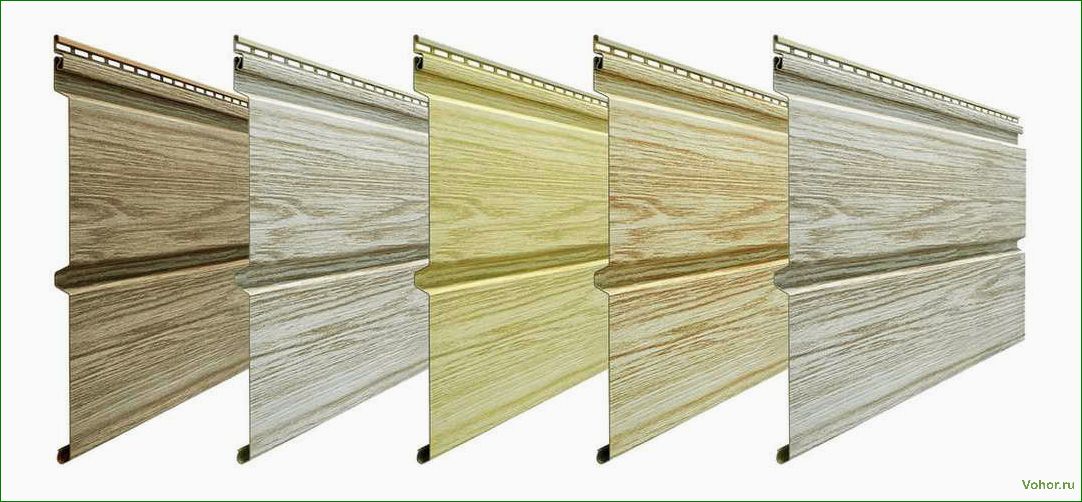
One of the main advantages of vinyl siding is its appearance. It imitates natural materials such as wood or stone, and allows you to create an elegant and stylish look for the building. Thanks to a wide selection of colors and textures, vinyl siding allows you to implement any design solutions and emphasize the individuality of each building.
Advantages of vinyl siding
1. High durability. Vinyl siding is highly resistant to various atmospheric conditions and does not fade in the sun. It is not subject to rotting, corrosion and destruction under the influence of moisture. Thanks to these properties, vinyl siding can last for decades without changing its appearance.
2. Ease of installation and maintenance. Vinyl siding is easy and quick to install. It is easily installed on the facade surface and does not require additional special skills or tools. In addition, vinyl siding does not require complex maintenance – it can simply be wiped with a damp cloth to remove dirt.
3. Wide selection of colors and textures. Vinyl siding offers a huge selection of colors and textures, which allows you to choose the best option for each facade. Thanks to this, vinyl siding can be used to create a variety of style solutions – from classic to modern.
4. Energy efficiency. Vinyl siding has good thermal insulation properties, which reduces the cost of heating and air conditioning. It forms an additional layer of protection that helps keep the building warm and prevents cold air from entering.

5. Aesthetic appeal. Vinyl siding has an attractive appearance and retains its aesthetic appeal throughout its entire service life. It does not fade in the sun, does not fade and does not require painting. Thanks to this, vinyl siding retains its bright and rich color for many years.
All these advantages make vinyl siding an ideal material for cladding building facades. It provides reliable protection, creates an aesthetically pleasing appearance and requires minimal maintenance. If you want to give your home a stylish and modern look, consider vinyl siding.

Durability, aesthetics and reliability
One of the main advantages of vinyl siding is its durability. It is made of high quality plastic that does not rust, does not rot and does not require painting. This means that vinyl siding retains its original appearance for decades without losing its aesthetic qualities.
In addition, vinyl siding has excellent aesthetics. It is available in a wide range of colors, textures and textures, allowing you to choose the perfect option for any architectural style. Thanks to this, vinyl siding can turn an ordinary building into a real masterpiece of design.
Finally, vinyl siding is known for its durability. It is not affected by moisture, ultraviolet rays and other external factors, which makes it ideal for use in any climate. In addition, vinyl siding is highly resistant to impact loads, which allows it to withstand various types of damage and maintain its integrity for many years.
All these qualities make vinyl siding an ideal choice for finishing building facades. It provides long-lasting protection, attractive appearance and reliability for many years.
Resistance to external influences
Vinyl siding is highly resistant to various external influences, which makes it an excellent choice for finishing building facades.
- UV resistance. Vinyl siding has a special coating that protects it from exposure to sunlight. Thanks to this, it does not fade or lose its color over time.
- Moisture resistant. Vinyl siding does not absorb moisture, so it is not subject to rotting or destruction. It is ideal for use in humid climates.
- Resistance to mechanical damage. Vinyl siding has increased strength and resistance to impacts, scratches and other mechanical damage. It does not crack or chip even with strong impacts.
- Resistance to extreme temperatures. Vinyl siding does not deform due to temperature changes and retains its shape and appearance in all weather conditions.
Thanks to its resistance to external influences, vinyl siding retains its attractiveness and durability for many years.
Easy installation and maintenance
The installation process consists of several simple steps:
- Prepare the surface. Clean and level the walls, remove the old coating.
- Install corner elements. They will help create neat and finished corners.
- Set up a starting profile. It serves as the basis for installing siding.
- Install siding panels. The panels are easily connected to each other and attached to the starting profile.
- Install the finishing siding profile. It will give the facade a finished look and protect it from moisture.
Once vinyl siding is installed, its maintenance is also simple and does not require much effort:
- Wash the façade regularly with water and a soft sponge or brush.
- Remove dirt with a mild detergent.
- Check the condition of the siding and replace damaged panels if necessary.
Due to its ease of installation and maintenance, vinyl siding is a popular choice for those who value their time and comfort.


