Preparing the Garden for Winter
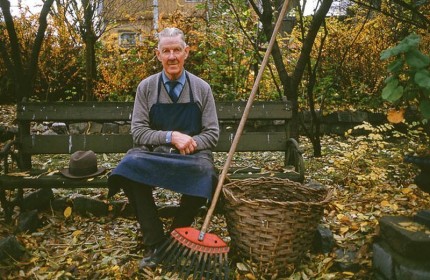
With the arrival of autumn, work doesn”t stop for every summer resident and avid gardener. On the contrary, everything enters its most active phase. Before winter sets in, there are still a ton of chores to complete, preparing the garden for the coming cold weather.
Preparing the Garden for Winter
September.
September is one of the busiest autumn months. Harvesting is essential, and the soil needs to be prepared for planting the next crops. First, pay attention to the garden, as apples and other fruits are still hanging there. Cut one fruit in half and examine the pits. If they are light brown, the harvest is ready. Starting in the second half of September, fertilize your fruit trees by sprinkling ordinary ash around the trunks. Towards the end of the month, it”s time to begin pruning trees and, if possible, replanting them. The main work in the garden begins with harvesting potatoes. It”s crucial to do this before the rains to improve their shelf life. Tomatoes should also be harvested before cold nights and morning frosts set in, as low temperatures cause the fruit to split and spoil.
October.
This month is the time to plant young seedlings in the garden or transplant established ones, preparing the garden for winter. Berry bushes such as raspberries, currants, and gooseberries should also be planted at the beginning of the month. Since October is famous for its leaf fall, this is a good time to add to the compost. All foliage should be raked up and composted, as this is a natural fertilizer for your garden. In winter, young plantings are particularly vulnerable to various rodents. To prevent this, wrap the trunks with roofing felt, metal mesh, or other protective material. This month marks the end of the main gardening work: harvesting the remaining crops, digging everything up, and preparing for the new season. After the outside temperature no longer rises above 5 degrees Celsius, plant winter garlic, onions, beets, and other crops.
November.
The last month of autumn already brings the hint of the coming cold weather. At this time, cover the trees with manure or compost. Make sure the layer isn”t too thick. As soon as the first snow falls, check for rodents: their tracks will be visible in the snow cover. Place poison in the burrows, and compact the snow around the trees. Experts recommend piling snow on the planting beds. It will act as a blanket for the seeds and prevent them from freezing completely.