Eucalyptus radiata
Eucalyptus radiata (lat. Eucalyptus radiata) is a representative of evergreen trees of the genus “Eucalyptus” (lat. Eucalyptus), belonging to the Myrtaceae family (lat. Myrtaceae).
Eucalyptus radiata is the leader in the use of plant leaves for commercial purposes. It was from its leaves that eucalyptus oil was obtained for the first time in the world. Moreover, Eucalyptus radiata has six known chemotypes (oils with different chemical compositions) of essential oil.
What”s in your name
The first word of the plant’s name “Eucalyptus” came from the name of the genus to which botanists classified the evergreen tree.
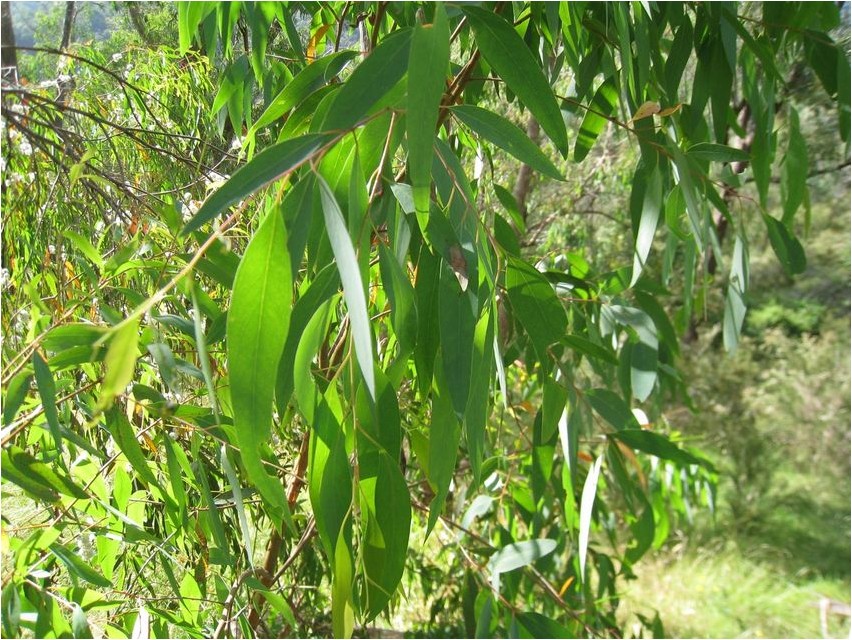
The species name “radiata” (“radiant”) reflects its narrow-lanceolate, pointed, glossy leaves, radiating green rays from the branches of the tree.
There are many popular names for the tree. For example, in a guide to forest trees for foresters in the Australian state of Victoria, the plant”s homeland, Eucalyptus radiata is called “River White Gum.” A common name is “Narrow Leaved Peppermint.”
Description
Eucalyptus radiata is a tree usually up to 30 meters tall. Although under particularly favorable conditions it can grow up to 50 meters.

The erect trunk and large branches are covered with permanent bark. The gray to grey-brown bark becomes fibrous as the tree grows and is capable of sliding down the trunk in long ribbons. Young branches are not burdened with bark and are colored green.
The spreading crown is formed by branches with narrow lanceolate or crescent-shaped leaves in adulthood, reaching 15 centimeters in length with a width of up to 1. 5 centimeters. The leaves are petiolate, with sharp tips and a semi-glossy or glossy surface of the blades.
From the axils of the leaves, short flower stalks reveal to the world inflorescences of white stamens, protected by a lid of sepals.
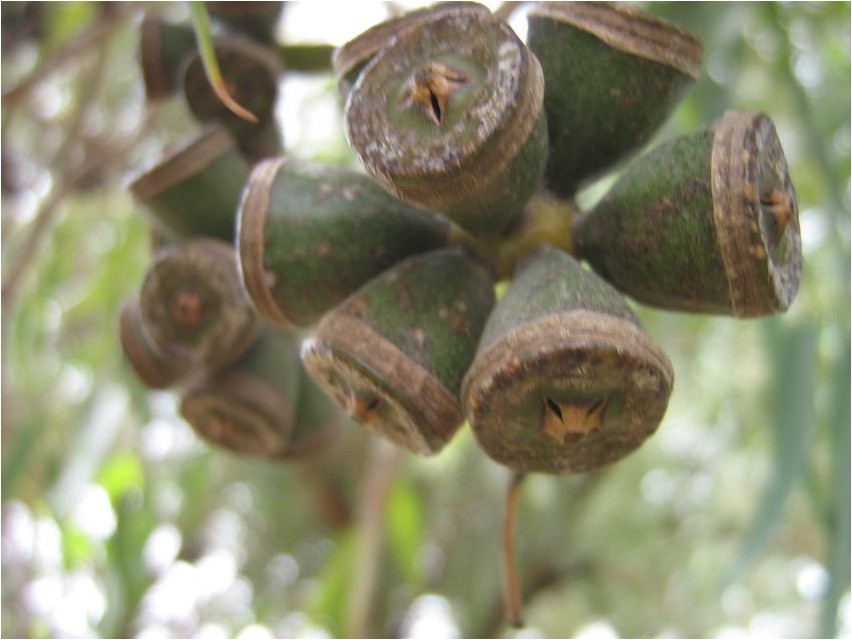
The inflorescences turn into pear-shaped or hemispherical fruit-boxes.
The main value of Eucalyptus radiata is its leaves, rich in essential oil, which has many advantages.
Eucalyptus radiata essential oil
According to the chemical composition, Eucalyptus radiata essential oil has 6 varieties, the so-called “chemotypes”. This does not mean at all that natural tree oil is diluted with other oils or other chemical elements are artificially added to it. Such diversity is created by nature itself and the eucalyptus tree. The chemical composition of the essential oil depends on the location of the tree, that is, on the characteristics of the soil feeding the plant. Even the time of collection of raw materials affects the chemical composition of the oil.
The first producer of Eucalyptus radiata oil was Joseph Bosisto, an Australian politician and chemist by training, who discovered the remarkable antiseptic properties of Eucalyptus. This happened in the middle of the 19th century.
Since then, whatever the chemical composition of Eucalyptus radiata essential oil, it has always been distinguished by a fresh, sharp and floral-citrus aroma, as well as a milder odor compared to Eucalyptus globulus oil. Often these two types of oils are combined and added to inhalers to help ease the breathing of asthmatics.
Eucalyptus radiata oil is ideal for massage procedures, stimulating and rejuvenating the cells of the human body. In addition, having antiseptic properties, the oil promotes faster and more successful healing of wounds on the skin.
Usage
In addition to the leaves of Eucalyptus radiata, the wood of the tree is also used. True, it is not highly durable, but its softness and light color, as well as the ability not to warp or form cracks, are used by people for the production of building materials, furniture and other household items and tools.