Pros and cons of removable dentures

Removable prosthetics is one of the methods of orthopedic restoration of partially destroyed or missing teeth. It can be used when several blocks are removed, and together with full adena
Despite the existence of more modern and effective analysis methods, this technique remains in demand among patients in dental clinics. Removable dentures are very functional and at the same time inexpensive.
Contents of the article:
before discussing the advantages and disadvantages of removable dentures, it is important to note their main characteristics. The patient independently removes the orthopedic structure from the mouth and easily secures it in place. In most cases, such devices are determined by elderly people.
Indications for installation
In the following situations, you can count on the help of the described prosthesis:
- There is one last defect in this series. those. missing first, second and third molars;
- There is a defect localized in the outer and/or anterior zone – the prosthesis completely hides the fallen incisors and canines;
- On one side of the row – top or bottom – some chewing units are missing;
- All teeth are removed (edentia);
- Severe pathology of periodontal tissues, such as periodontal disease or periodontitis, is diagnosed.
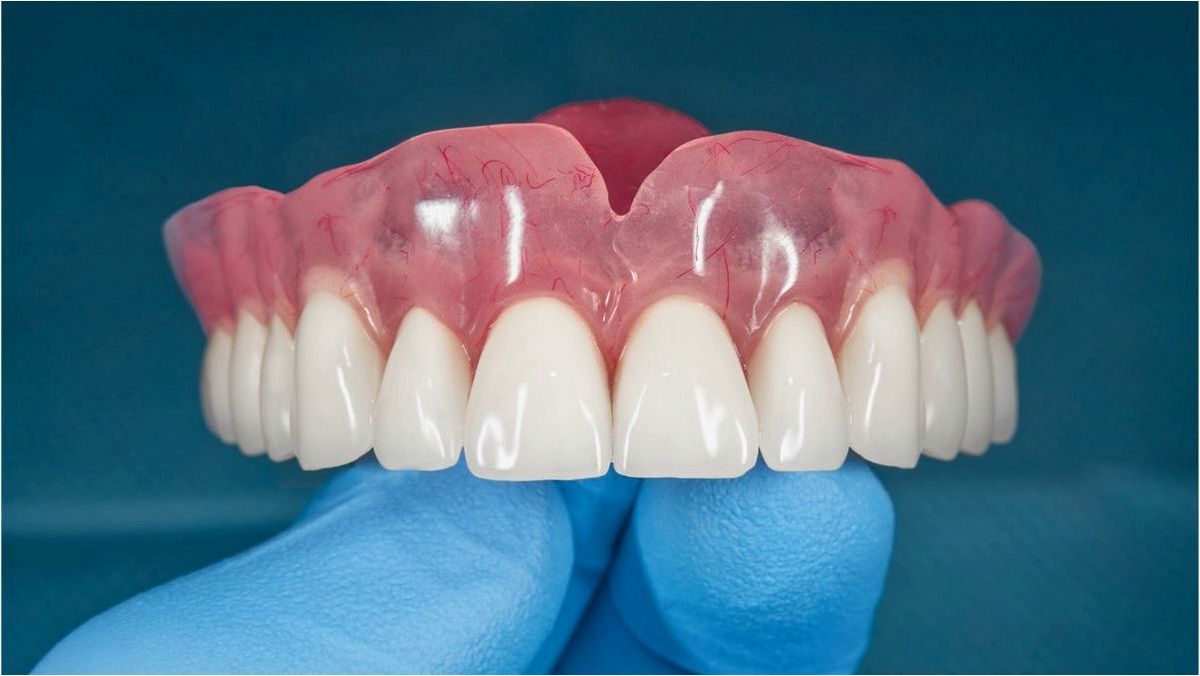
In all these cases it is possible to make removable denture for 20, 000 of course, the decision about the need to install it should be made together with your doctor. Perhaps the doctor, having assessed all the pros and cons of the individual design, will offer you various treatment options.
When not to use
Removable devices are not always available for people who want to wear them. There are contraindications to this type of treatment. Most of them are relative. This means that they can be eliminated for a certain period of time. In other words:
- Gingivitis;
- Stomatitis;
- Dental caries;
- Pneumonia.
The only absolute contraindications are severe systemic diseases that do not allow therapeutic operations to be performed in the patient’s oral cavity, and the age of the child.

Classification
Conventionally, prosthetics based on the design of the outlet are usually divided into the following types:
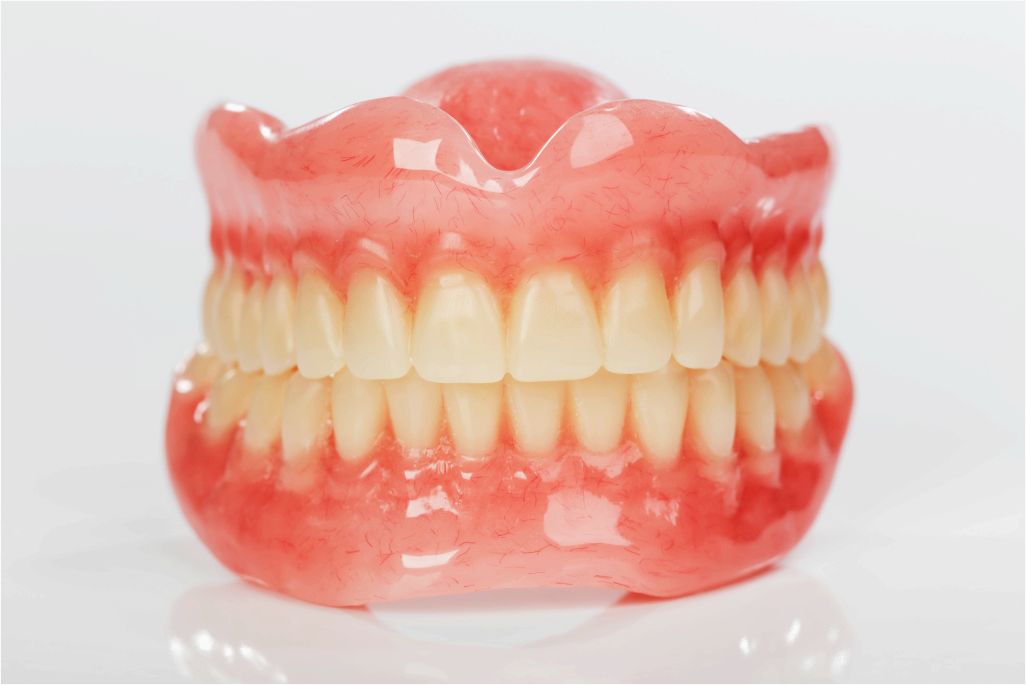
- Completion. It is performed if there is not a single natural tooth in the patient’s mouth;
- Partially. Designed to cover small defects in the dentition, when, for example, one to four units are missing;
- Temporary. Here we are talking about immediate. They are temporary. Partial also matters. They are usually installed so that during treatment a person does not have to walk around with a toothless smile for a long time. The immediate system cannot be called powerful. And this is quite understandable. After all, they are worn for a short time, from two to three weeks to several months;
- About implants. Fixed on an implanted titanium root. They are considered reliable.
Types, pros and cons of complete removable dentures
They are artificial jaws and replace the upper and/or lower arch of teeth. This design is formed:
- Artificial teeth. Made from acrylic or other types of plastic;
- Gum tissue simulators. Made from nylon or acrylic;
- Plate. It is adjacent to the tissue of the lower jaw to the palate. A small palatal plate or horseshoe-shaped plate that covers the area around the tongue;
- Sucker. Fixed in gum and plate trainer. Contact with the mucous membrane of the human oral cavity provides a pronounced suction effect;
- Auxiliary fixing elements – locks, buttons. Only if some implants were implanted into the jawbone before prosthetics.
If there is adenius of an age-related, traumatic or genetic nature, it is advisable to completely remove the structure, however, there are a number of negative aspects, which you can read about below.
Partial dentures
This is advisable when a tooth defect needs to be closed as soon as possible. Also this:
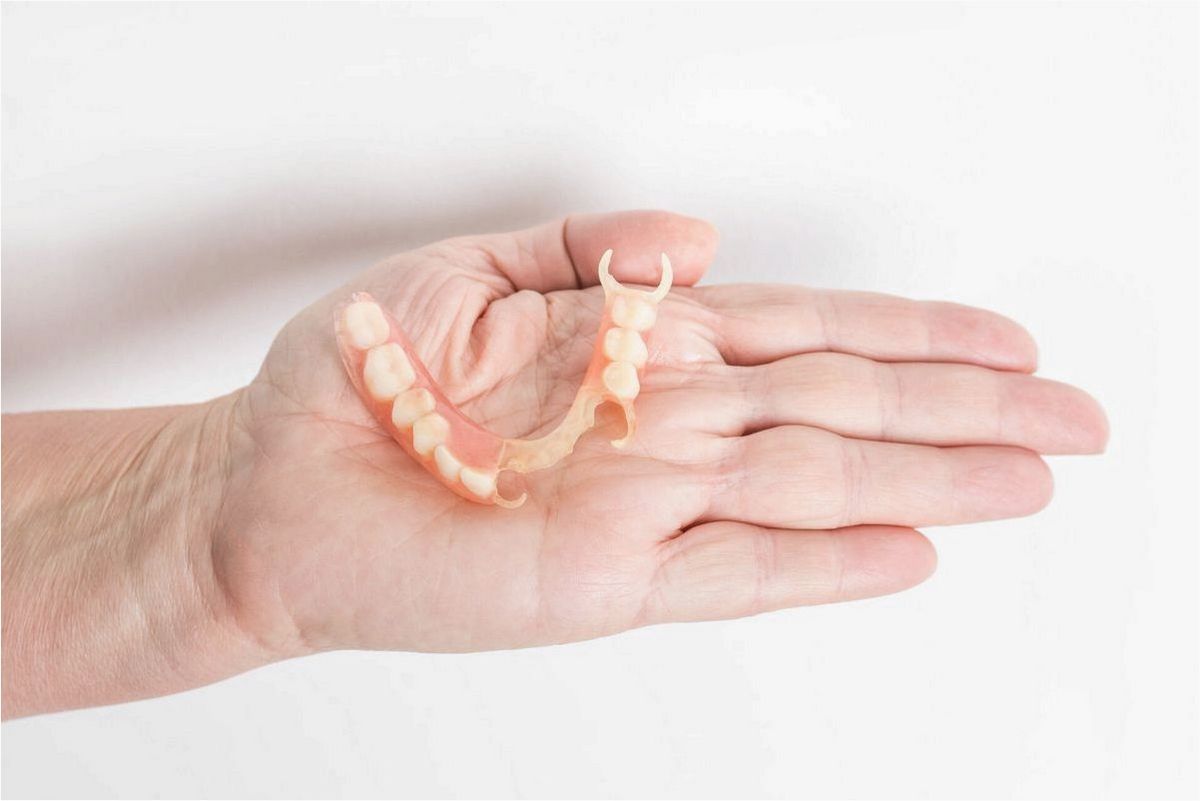
- Vogel system, when teeth in one jaw can be replaced, but are located far apart. It ensures uniform distribution of the load on the bite, thereby delaying the moment of bone atrophy;
- Immediate propitiation. They were written about above. Necessary if short closing is required;
- Plastics. Suitable for work in both the upper and lower jaws. They are adapted for installation in palatine beds. They are similar to their full counterparts, but have spaces in which natural teeth are retained.
Partial, removable systems are suitable for cases where molars are lost and there are terminal or large intermediate defects. They are the best solution for older people.
Removable dentures on implants
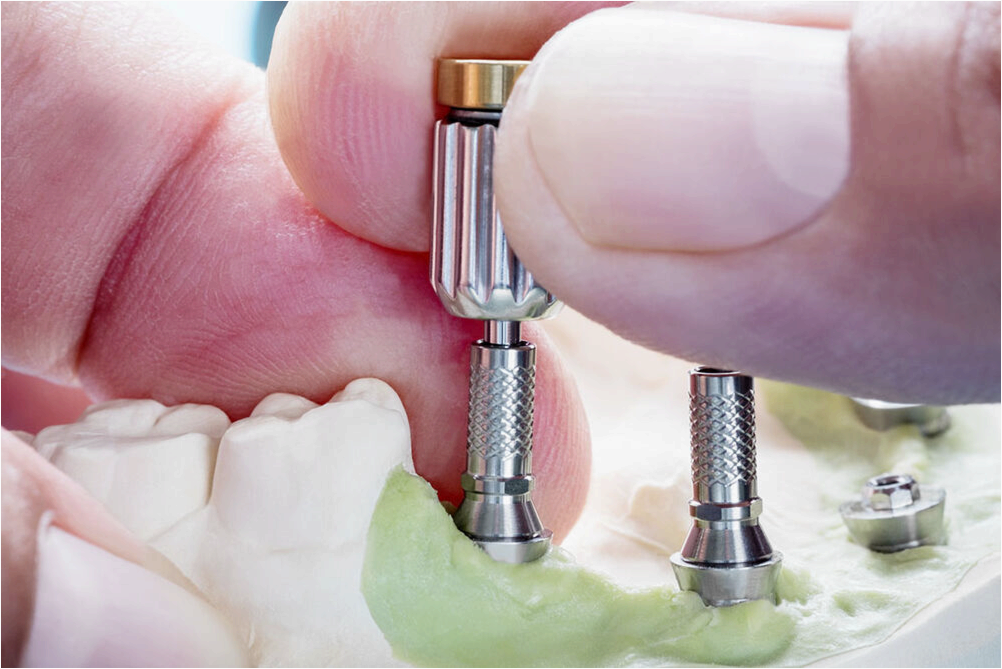
Restoring the integrity of the dental system can be very problematic if a person has very thin alveolar processes. In this case, an implant is implanted into the jawbone – a kind of artificial root. The removed prosthesis is fixed on top. Thanks to this technology, the smile becomes functional and beautiful, and the person does not have to worry about the inserted element falling out or moving while sneezing or laughing.
Advantages and Disadvantages
Among the advantages of the described design are the following:
- Affordable price;
- Wide selection of materials;
- Light weight;
- The ability to quickly restore the function of both jaws;
- Maintaining healthy teeth (no need to grind them down);
- Easy installation and quick removal;
- Restores the aesthetics of a smile.
Among the negative aspects of removable dentures, the following should be noted:
- Reliability of the fastening system;
- For high-quality cleaning of dental plaque, the device must be removed into the oral cavity daily;
- Short service life;
- Long-term use can lead to bone atrophy.
When deciding which design to install, patients should listen to the opinion of their doctor. The doctor can help the client choose the best device for their situation.


