A wood-burning stove for comfort and warmth in your home
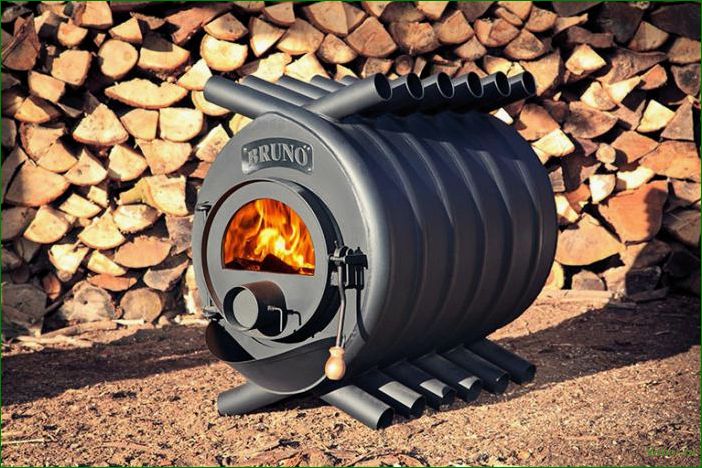
When it’s cold outside and your home is filled with a cozy atmosphere, it’s hard to overestimate the importance of a quality heat source. A heating device not only creates the necessary temperature but also becomes an important decorative element. A skillful combination of functionality and aesthetics makes such items indispensable, as they can warm a room even in the most severe frosts.
Article Contents:
A wood-burning stove for the home impresses with its variety of models and designs. There are options that fit perfectly into any style—from classic to modern minimalism. The use of natural materials not only ensures a long burn but also creates a special atmosphere with the characteristic sound of cracking wood and a warm glow. The harmony between tradition and modern technology allows everyone to choose the perfect solution that will become the focal point of their living space. It’s important to consider not only aesthetic aspects but also practical ones. Efficient heating solutions can reduce heating costs and significantly increase the comfort of a room. This allows you to enjoy the warmth and ambiance of a home, creating a comfortable living and working environment. In this article, we’ll explore all the nuances of choosing the ideal heating device to help you determine the most suitable option for your interior.
Choosing a Material for the Structure
Choosing a Material for the Structure
Some of the most popular materials include:
Cast Iron: This material has high thermal conductivity and a long service life. Cast iron elements can be easily customized to achieve a variety of styles. However, they are quite heavy and require careful handling.
- Steel: Lighter than cast iron, steel structures heat up quickly but can cool down more quickly. An important criterion when choosing steel is its thickness: the thicker it is, the longer the unit will retain heat.
- Ceramics: Attractive ceramic elements retain heat well and can be an aesthetic accent in any interior. However, they require more careful maintenance and protection from mechanical damage.
- Brick: This building material retains heat well and is resistant to high temperatures. Brick can also be used to create multifunctional structures, including decorative elements. However, brick structures are more expensive to construct, and their installation takes time.
- When choosing materials, it is important to consider:
Heat transfer: How each material will behave during heating and how much heat it can emit.
- Durability: How long the structure will last without requiring repair or replacement.
- Resistance to impact: The material’s ability to withstand high temperatures and mechanical stress.
- Aesthetics: How the structure fits into the overall interior design of the room.
- Based on these factors, you can make an informed choice and ensure comfortable and safe use of your heating device for many years to come.
Installation and Operation Recommendations
Installation and Operation Recommendations
Installation
Operation and Maintenance
Operation and Maintenance
Proper placement and use of heating devices is key to ensuring efficient operation and longevity. Following a few simple recommendations can significantly increase the level of comfort and safety in the space where they are used.

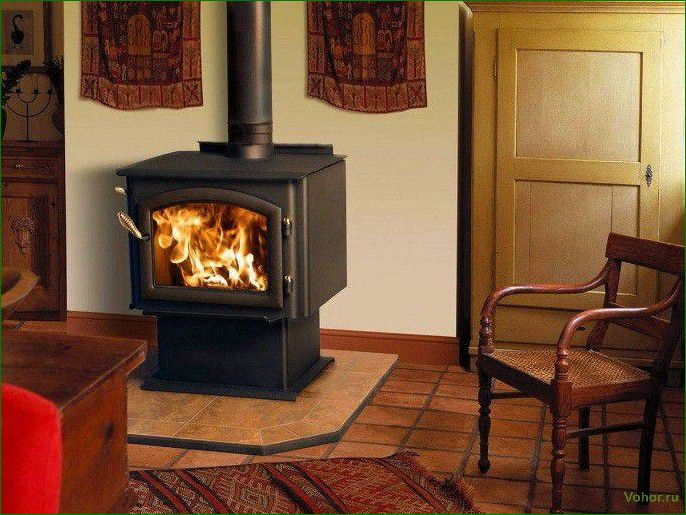
Initially, there are several aspects to consider during installation:
Selecting a location:
- Install equipment away from flammable materials.
- Optimally place it in the center of the room for uniform heating.
- Provide easy access for maintenance and fuel loading.
- Ventilation requirements:
- Make sure there is enough fresh air in the room.
- Make sure that the ventilation ducts are not blocked.
- Chimney:
- Install the chimney at the appropriate height to effectively remove combustion products.
- Check your chimney regularly for blockages and soot deposits.
- Regarding operation, it is important to consider a few basic recommendations:
Fuel loading:
- Use only high-quality, dry fuel for better heating and minimal smoke.
- Do not overload the chamber to avoid poor draft and soot formation.
- Air adjustment:
- Adjust the air supply level to optimize the combustion process.
- Make sure it is sufficient to avoid carbon monoxide indoors.
- Service:
- Carry out regular maintenance and cleaning.
- Check the entire set thoroughly: from the chimney to the heat exchangers.
- By following the above recommendations, you can ensure reliable and safe operation of your device, as well as create a cozy atmosphere in your room.
Wood stove for comfort and warmth in your home


