Take a look into the magical world of a child’s landscape and immerse yourself in waves of joy and imagination

Childhood is a time when the world seems incredibly beautiful and amazing. Children’s imagination is rich and limitless, and they are able to see beauty in the most ordinary things. A child’s landscape is a world created by a child’s imagination, where every flower, every tree and every cloud has its own character and history.
Contents of the article:
in a children’s landscape there can be different heroes – from small animals and fairies to mighty dragons and princesses. Their stories are intertwined in amazing fairy tales that come to life in the imagination of children. Every corner of a child’s landscape is an opportunity for exploration and adventure. Here you can find treasures, build a sand castle or go on a trip on a small boat.
Children’s landscape is a place where children can be themselves, where they do not have to adhere to the rules and restrictions of the adult world. Here they can express their feelings and emotions, play and dream. In the children’s landscape there is no place for boring and gray everyday life – joy and fun always reign here.

How to create a children’s landscape for play and development
Here are some tips on how to create a children’s landscape:
- Choose a topic. Children’s landscape can be based on different themes such as nature, city, space, etc. Choose a topic that will be interesting to your child and appropriate to his age and interests.
- Create a background. The background can be a large poster painted on a wall or paper, or even a specially created decorative panel. The background should reflect the chosen theme and create an atmosphere.
- Add decorative elements. Decorative elements such as plants, animals, buildings and vehicles will help create a more realistic and interesting landscape. You can use ready-made toys or make them yourself from paper or other materials.
- Create play areas. Divide the landscape into different play areas that will fit your chosen theme. For example, if the theme is nature, then you can create an area with a forest, lake and clearing. This will help your child become more immersed in the game and develop their imagination.
- Add development elements. In addition to play areas, elements that promote the child’s development can be added to the children’s landscape. For example, you can create an area for drawing, reading, or designing. This will help develop your child’s creative thinking and motor skills.
Creating a children’s landscape is a creative process that allows parents and children to develop together and have fun. Don’t be afraid to experiment and bring your ideas to life!
Creating a bright and colorful children’s landscape
One of the key elements of a children’s landscape is the use of different colors. Bright and rich colors will create a cheerful and joyful atmosphere. Don’t be afraid to combine different colors – this will help make the landscape even more interesting and attractive.
It is also important to pay attention to the choice of materials. To create a children’s landscape, it is better to use safe and environmentally friendly materials. For example, wooden or plastic elements would be ideal choices. They are not only safe for the child’s health, but also durable, which will preserve the brightness and beauty of the landscape for a long time.

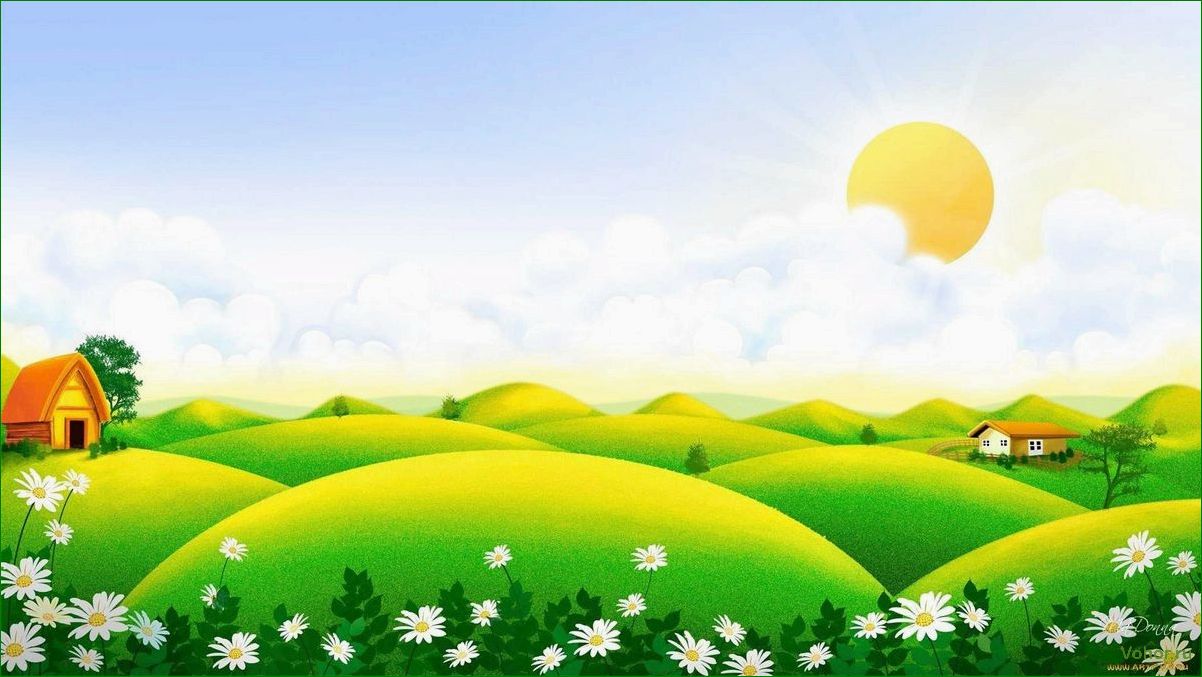
One of the features of a children’s landscape is its interactivity. Adding moving elements such as swings, slides or a carousel will allow the child to actively participate in the game and develop motor skills. In addition, interactive elements help develop baby’s coordination and balance.
Don’t forget also about the variety of elements in a children’s landscape. Adding a variety of plants, flowers and animals will help create a natural atmosphere and allow your child to experience the living world. In addition, the presence of various elements contributes to the development of the child’s attention and memory.
And finally, don’t forget about safety. When creating a children’s landscape, it is necessary to take into account possible dangers and provide measures to prevent them. For example, installing guardrails around tall elements or using soft surfaces under play areas will help prevent potential injuries.
| Tip: | When creating a children’s landscape, it is important to take into account the child’s interests and preferences. Let him choose the colors, elements and play areas himself. This approach will help create the ideal space for play and imagination. |

Using various elements in a children’s landscape
- Playgrounds. They can be made in the form of slides, swings, carousels and other attractions. Playgrounds help develop children’s physical skills and coordination.
- Sandboxes. Sandboxes are a great place to play with sand. Children can build castles, sculpt figures and play sand wars. Sandboxes can come in different shapes and sizes.
- Green spaces. Trees, shrubs and flowers make the landscape more vibrant and beautiful. They also provide shade and protection from the sun.
- Water elements. Fountains, ponds and streams can be fun additions to a child’s landscape. Children can watch and play with the water.
- Wooden structures. Gazebos, bridges and wooden figures can add a special charm to a children’s landscape. They create an atmosphere of adventure and fantasy.
Using a variety of elements in a children’s landscape helps create a unique space for children to play and develop. It is important to remember that all elements must be safe and age appropriate for children.
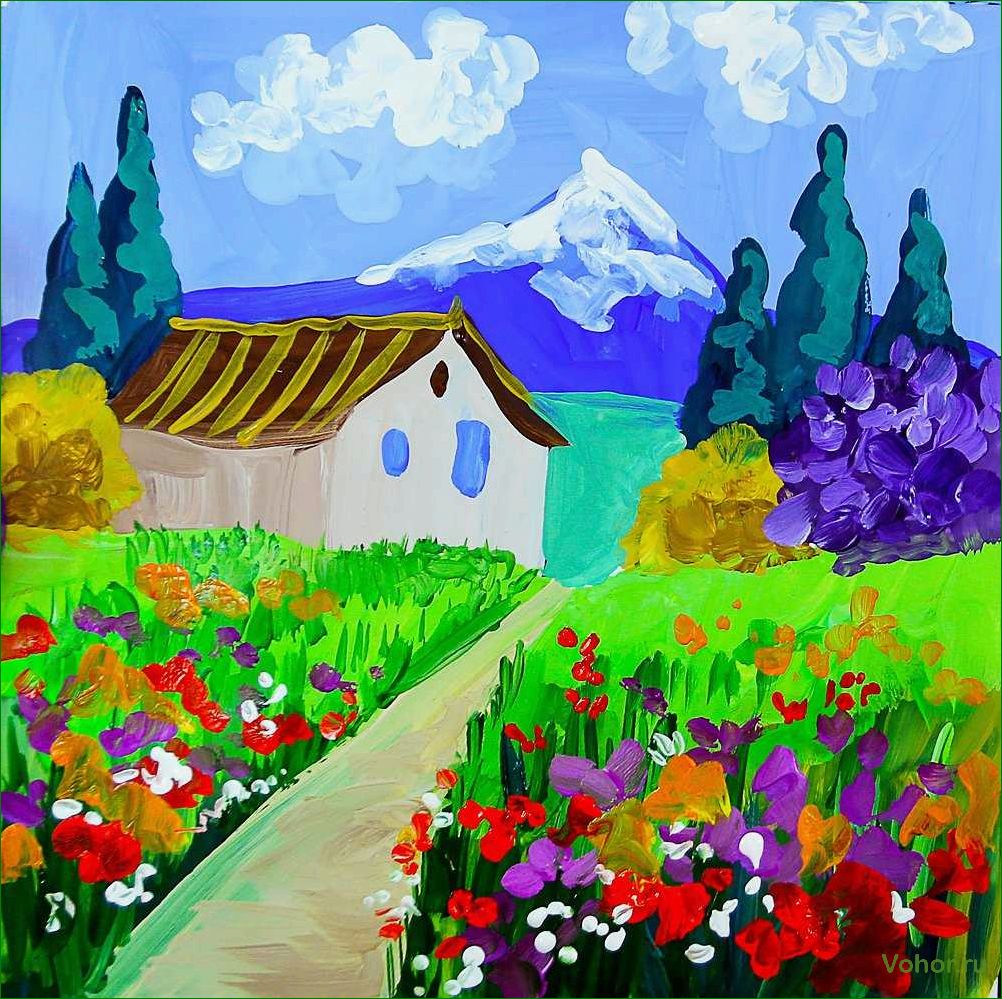
The benefits of a children’s landscape for a child’s development
- Physical development: Children’s landscape provides the child with the opportunity to actively move in the fresh air. Walking in the woods, playing on the beach or simply running on a green lawn helps develop motor skills, coordination and strengthen muscles.
- Emotional development: The beauty of nature and its tranquility can help a child relax, relieve stress and improve their mood. Watching animals, blooming flowers and beautiful landscapes evokes positive emotions and develops aesthetic perception.
- Cognitive development: Exploring nature and the world around us helps develop observation, memory, imagination and thinking. Children learn to recognize different plants, animals and objects in the environment, as well as learn to make cause-and-effect relationships and analyze information.
- Social Development: Visiting a children’s landscape provides the child with the opportunity to interact with other children and adults. He can play with other children, share toys and experiences, and learn to cooperate and make decisions in a group.
All these advantages make a children’s landscape an integral part of a child’s life. Regular visits to nature contribute to the full and harmonious development of the child, strengthen his health and contribute to the formation of a positive attitude towards the world around him.


