Small vessels. Types of small vessels. Definitions
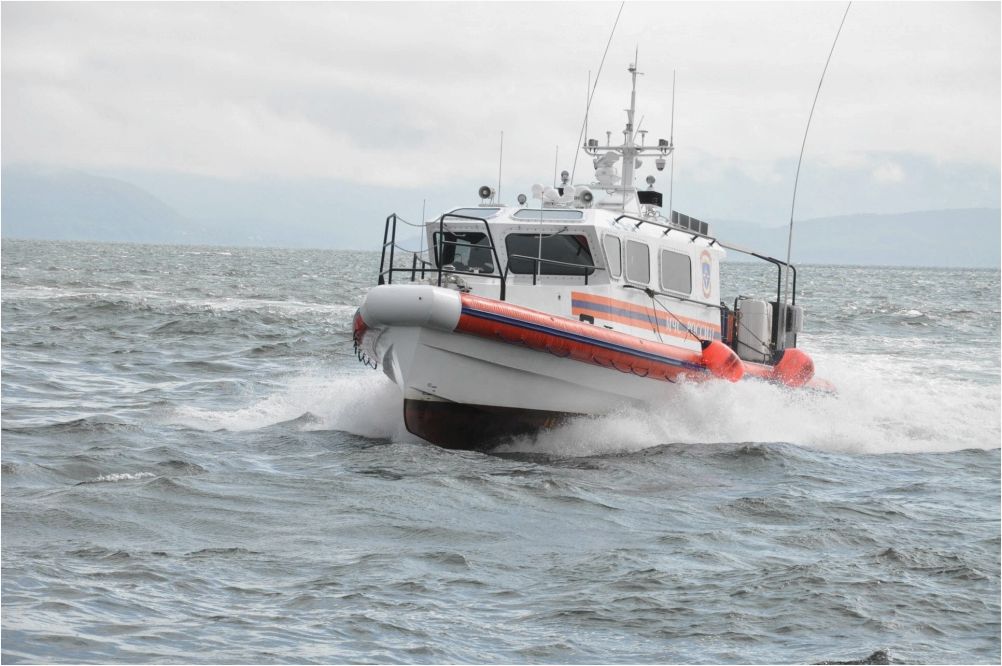
Vessels are designed to move on water and transport goods and people. Thus, kayaks and steamboats are ships. Ships built for parts of the armed forces and navy (Navy) are called vessels.
Contents of the article:
Small vessels
Small boats are used for tourist walks and hikes in coastal areas of rivers, lakes and seas, fishing and hunting, sports, etc. They are widely used for the needs of the national economy. In some regions (in particular, in Siberia), small vessels are the main transport for individual use during the navigation period.
All rowing vessels can have either inboard, outboard or inboard boat engines (academic rowing vessels are an exception). On yachts it is also necessary to move with the help of a motor. When using a motor, rowing and sailing vessels are subject to the rules applicable to vessels with motors.
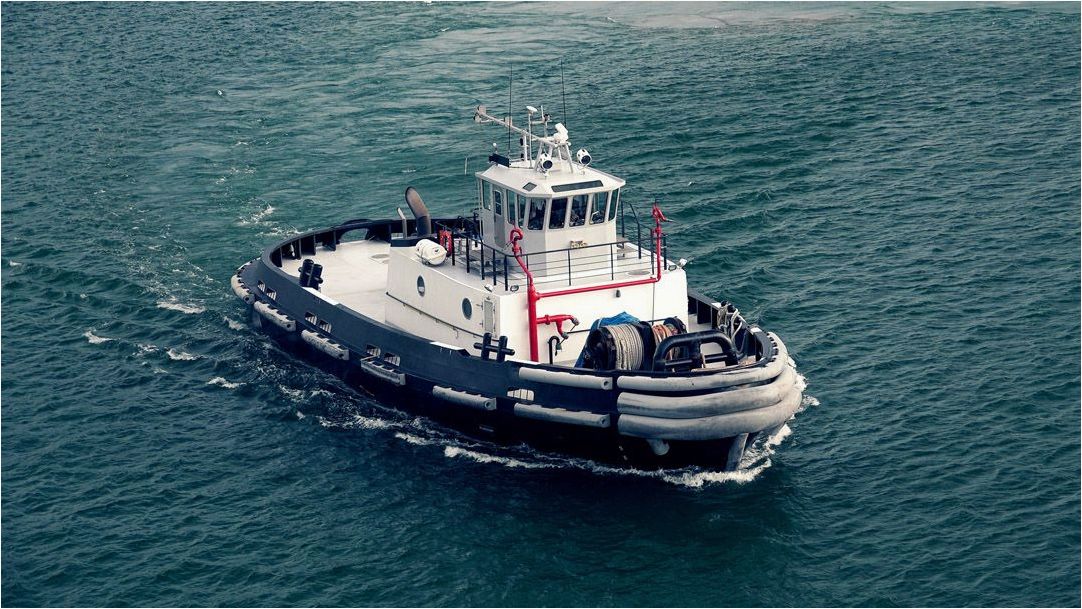
Types of small boats
Small vessels differ from each other. They accommodate and launch ships, as well as launch hydrofoils or airplanes.
Displacement ships float for a time equal to the mass of water that the ship replaced. Contract vessels have the largest ocean-going capacity compared to other vessels, but their speed is significantly lower.
Planing vessels float while stationary not only for the propulsion of the vessel, but also for the maintenance forces and propulsion of the vessel. As speed increases, the launching vessel is supported above the water by dynamic lift forces. Such vessels begin to plane when the flat bottom during speed is at an angle of attack to the water surface of 3-6°, depending on the weight of the vessel with equipment, engine and passengers.
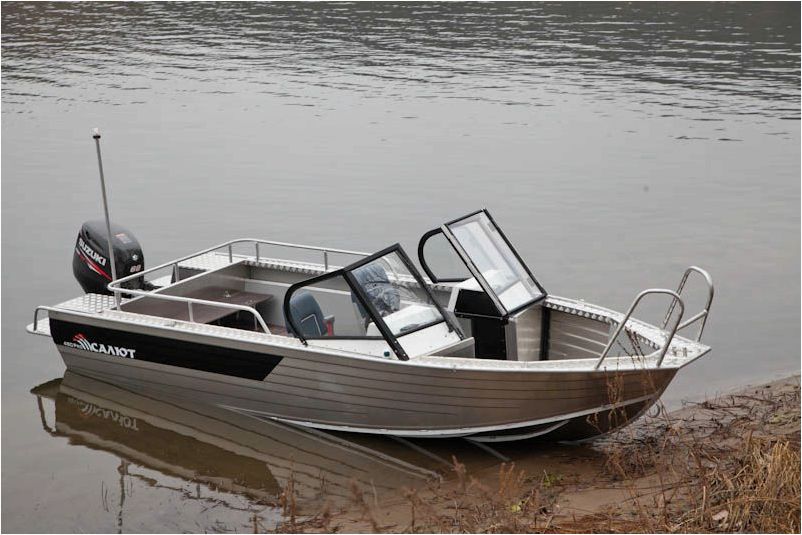
Motor boats (motor boats) include commercially produced pleasure craft with outboard motors. Motorboats are also called homemade vessels with low-power stationary engines operating in displacement mode. Such boats have smooth hull contours, as opposed to gloss.

Boats are small vessels with stationary engines. The design of the boats can be designed to operate in launching mode and in displacement mode. Boats with increased seaworthiness have decks, cockpits and superstructures.
Definitions
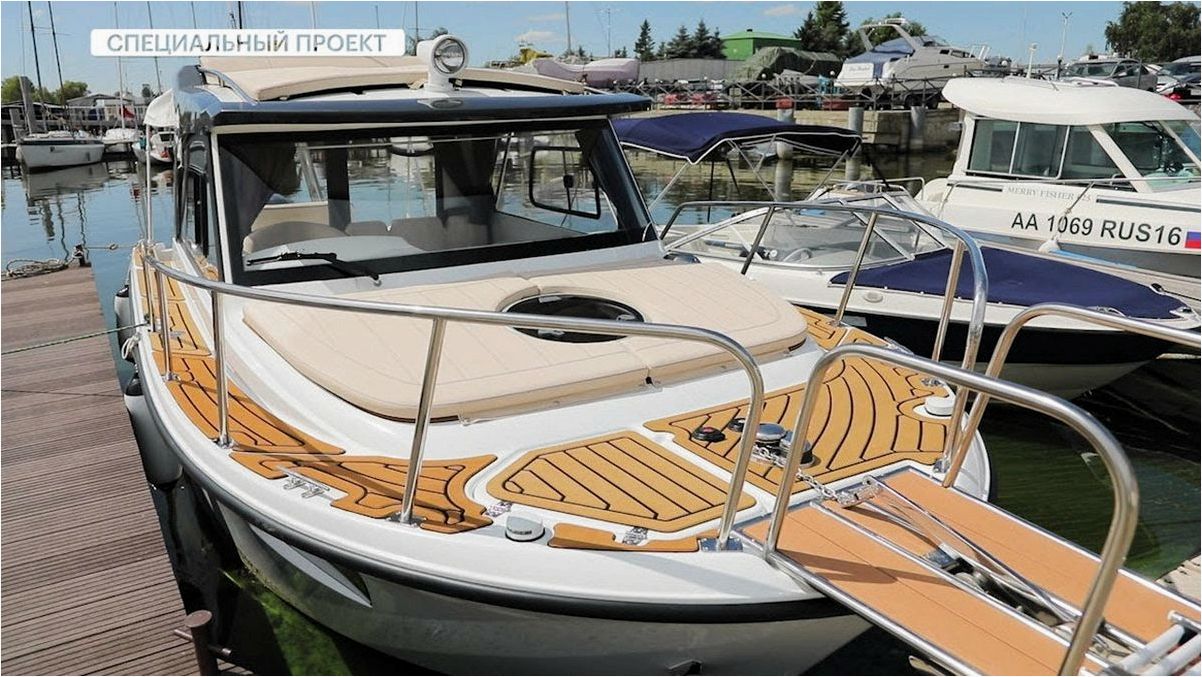
Marine motor boats and cutters are usually 6-10 meters long with a displacement contour, designed for navigation on open water spaces or the mouths of large rivers and are called boats or motorboats or various local names.
Motor-sailing boat. Bots usually have a superstructure and a stationary engine. Boats that have both an engine and sails are called motor boats. Bots are divided depending on the task they perform into pilot, commercial, rescue and diving.
Boats include all rowing giants – large boats and ordinary ship boats, as well as small motor boats. They help rescue people, communications on shore and other ships, special purposes (importing anchors, working overboard). Boats are called rescue boats, work boats, etc.
Yachts are motor vessels, rich in running motors, sailing under sails of various displacements for the purpose of recreation on the water, tourism and sports. Hence the names – motor yacht, motor twin, simple sailing vessel.
Gliders are called motor vessels with EMF – with a transverse shelf at the bottom. Single-seat racing gliders with an outboard motor are called scooters. If a small boat has hydrofoils to increase its speed, it is usually called a hydrofoil boat (motorboat).
To operate a small vessel, a person must have a certificate authorizing him to operate this type of water transport. Some people are just trying buy GIMS rights without passing exams. But we must not forget that this does not comply with the legislation of any country and will be prosecuted by law, including criminal prosecution.


