Sophora (Vexibia)
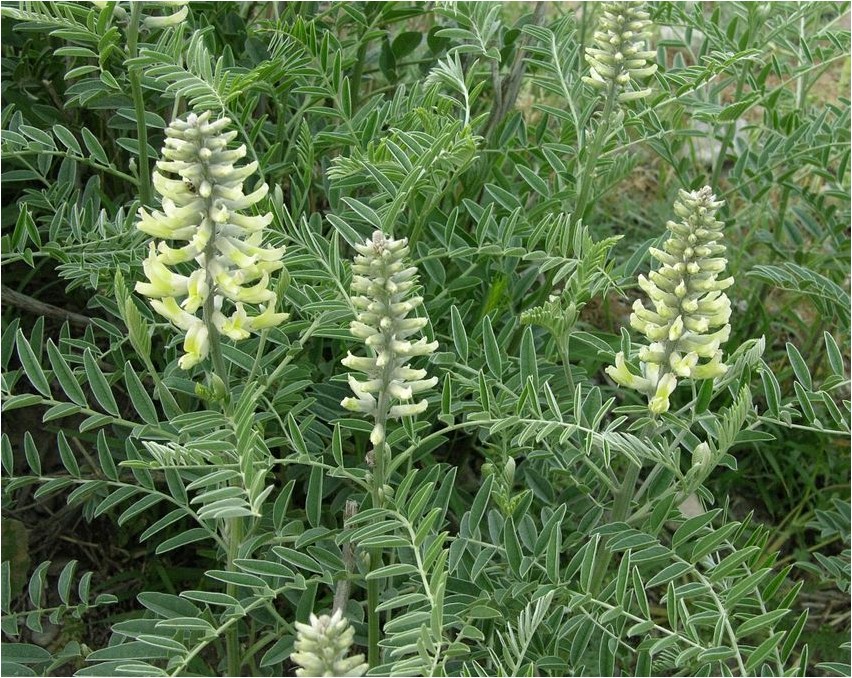
Sophora (lat. Sophora) is a genus of herbaceous plants, shrubs and small trees of the Legume family. The genus includes 62 species native to South Asia, Southeast Europe, South America and Australia.
Some members of the genus are endangered species. In Russia, there are three species: thick-fruited Sophora, yellowish Sophora, foxtail Sophora, and less commonly, Japanese Sophora. The first three species are considered malicious weeds, which fill free spaces with incredible speed, displacing cultivated plants. Japanese Sophora is distinguished by its increased decorative properties, in addition, it is valued for its medicinal properties.
Characteristics of culture
Sophora is a herbaceous plant, deciduous shrub or tree up to 25 m high with a lush spreading crown. Sophora foliage is rich green and falls in mid-November. The flowers are small, yellowish-white, bluish-violet or pink, collected in long paniculate or racemose inflorescences. Flowers are formed once every two years; Sophora blooms in July-August. In the winter season, plants look very attractive, even despite the lack of foliage. The fruits are juicy and fleshy, collected in fruit bunches. All parts of plants are poisonous, but if properly prepared, stored and used, they will not cause any harm to health.
*Foxtail Sophora (lat. Sophora alopecuroides) — the species is represented by perennial plants, pubescent over the entire surface with soft, pressed hairs. The stem is erect, up to 12-20 cm high. The leaves are ovate. The flowers are white, collected in dense racemes, up to 15 cm long. Used in folk medicine, valued for the content of alkaloids in the aerial parts of plants. Not only the leaves and stems, but also the roots and seeds have healing properties.
*Sophora yellowish (lat. Sophora flavescens) — the species is represented by perennial herbaceous plants with an erect stem up to 60 cm high. The leaves are oval, green on the outside, bluish on the inside, hairy. The flowers are pale yellow, collected in dense racemes. Plants are rich in alkaloids, organic acids, flavonoids and organic acids. It has a number of healing properties.
*Sophora pachycarpa (Latin: Sophora pachycarpa) is a perennial herbaceous plant with a robust root system, growing up to 60 cm tall. The stems are highly branched. The cream-colored flowers are gathered in spike-shaped terminal inflorescences. Sophora pachycarpa contains a large number of beneficial substances and is used to treat various ailments; its effects are similar to those of the previous two species.

*Sophora japonicum (Latin: Sophora japonicum) is a species of tree that blooms only 25-30 years after planting. Tree heights range from 10 to 25 m. It is distinguished by its increased drought tolerance. The trunk is covered with fissured, dark gray bark. Young branches are greenish-gray, covered with short hairs. The flowers are gathered in long paniculate inflorescences. This species is used in gardening and folk medicine. In Russia, Japanese pagoda tree blooms in July, and the fruits ripen in October.
Growing Tips
Sophora prefers light, fertile, well-drained, and moderately moist soils. It thrives in sunny or semi-shaded locations. Sowing occurs in the spring—April–May (depending on the climate zone). In the European part of Russia, sowing occurs in February–March. Before sowing, the seeds are scarified: they are scalded with boiling water and then immersed in warm water for 24 hours. The swollen seeds are sown in open ground, pre-mixed with compost and wood ash. The planting depth is 1–2 cm.
The seeds germinate at temperatures of 20–25°C (68–77°F). The crops are regularly moistened and weeded. Watering is done using warm, settled water. The seedlings are periodically treated with phytostimulants, such as Epin or Novosil. Fertilizing is not prohibited. Plants are replanted the following spring. The distance between plants in a row should be approximately 40-50 cm, and between rows, 60-70 cm. Further care consists of regular watering, fertilizing, weeding, and sanitary pruning (this applies to shrubs and trees).