The world of personal computers
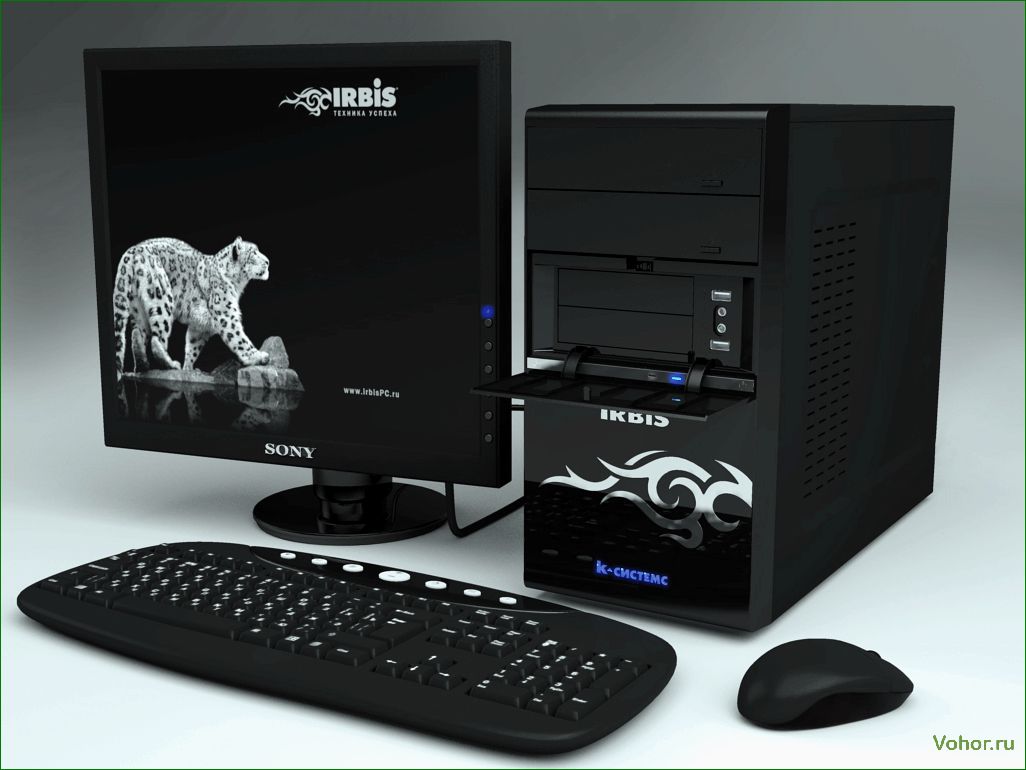
Times are changing quickly, and our communication is evolving with them. In the modern information society, it is necessary to always be in touch and be ready for new challenges and opportunities that modern technology offers. However, in order not to get lost in the flow of information, everyone needs an assistant who could become a comfortable environment for our interaction with the digital world.
Contents of the article:
- The Evolution of Non-Personal Computing Devices
- The period of rapid development of modern technologies and the emergence
- The evolution of individual computing systems: from electromechanics to
- The impact of individual computing systems on public and
- Benefits and Disadvantages of Personal Computing Systems
at all times, people have strived to make their lives easier, more convenient and more efficient. One of the most significant products of this endeavor was the personal computer. This device has become an integral part of our lives, helping in work, communication, entertainment and many other areas of life. But how does a personal computer satisfy our needs and become a reliable assistant in various areas of life?
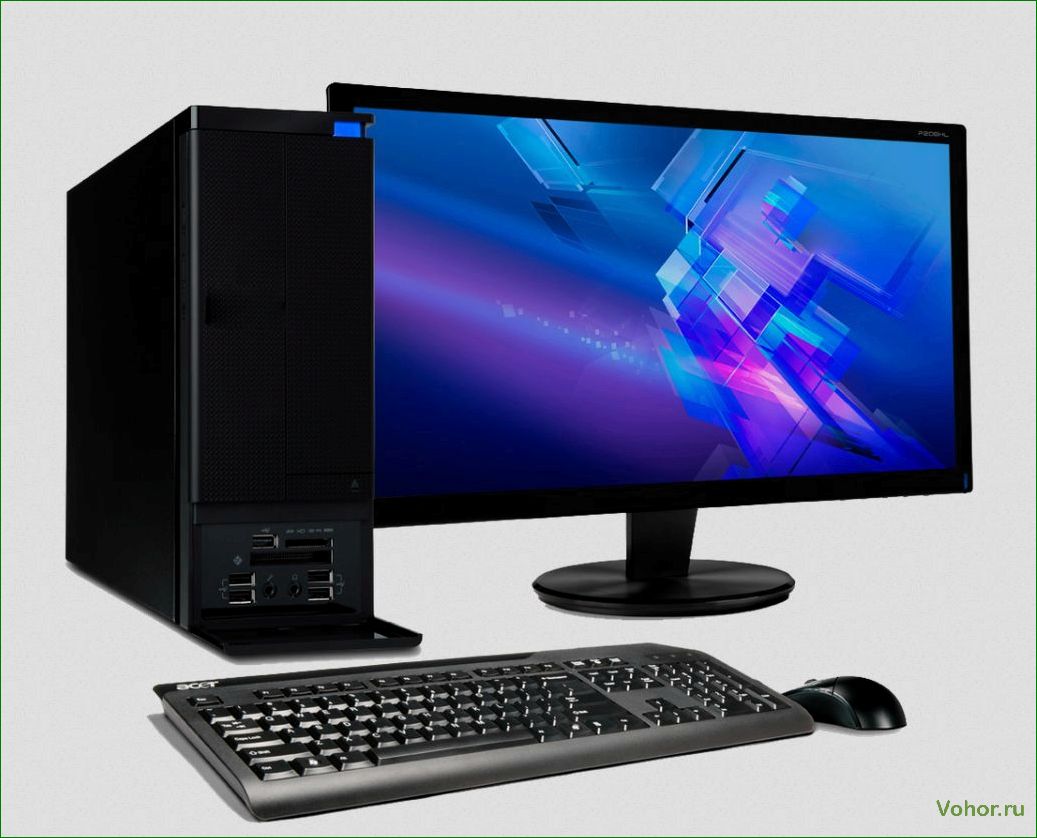
A personal computer is a device that combines many functions and capabilities. It allows you to work with information, exchange messages, keep abreast of the latest events, have fun and much more. With a desktop or laptop, we can easily and quickly perform various tasks such as creating and editing documents, watching videos, listening to music, playing games and much more. Personal computer technology allows us to perform all these functions in one compact and easy-to-use device. In order to buy personal computers , just go to the website asa. ru.
The Evolution of Non-Personal Computing Devices
The development of information technology inevitably led to the emergence of specialized devices capable of processing data and performing complex calculations. These devices underwent a long process before evolving into the form we know today as personal computers. Let’s explore the stages in the history of computing technology that laid the foundation for the creation of the first personal computers.
Mechanical computing devices
The first steps toward creating devices for automatic information processing can be traced back to ancient civilizations. However, the most significant breakthrough occurred only in the 19th century with the advent of mechanical computing devices. These devices utilized mechanical elements, such as gears and levers, to perform complex mathematical operations. Despite their mechanical nature, these devices became the foundation for future electronic computing systems.
Electronic computers
With the development of electricity, it became possible to create electronic computers that operated using electrical signals. Devices such as electromechanical relays and vacuum tubes were the fundamental components of these machines in the mid-20th century. They possessed much greater computing power and speed than mechanical devices, enabling them to perform more complex calculations and solve new problems.
A Period of Rapid Development of Modern Technologies and the Emergence of Innovative Computing Systems
The Evolution of Personal Computing Systems: From Electromechanics to Modern Devices
In this section, we will examine the history of the development of personal computing systems, from early eras to modern times. We will focus on the various stages of technological evolution that led to the creation of modern devices capable of performing complex tasks and ensuring seamless interaction with the information technology world.

First steps: from electromechanical systems to transistors
In the early stages of development, systems based on electromechanical components emerged. Gradual improvement and optimization of the system enabled the creation of more complex electrical devices that significantly increased the performance of computations and information processing operations. Replace the word “electromechanical” with strong or em.
The Emergence of Semiconductor Technology: From Vacuum Tube Computers to Transistors
The next significant stage in the evolution of personal systems is the creation and development of semiconductor technology. Significantly reduced component sizes and more efficient use of energy have provided new opportunities for improved performance. This stage was a breakthrough in the development of transistors and significantly increased the compactness and speed of computers.
The impact of individual computing systems on social and business development
Personal computing systems, considered in this context, have a huge impact on modern society and business processes. The proliferation of these devices has changed traditional ways of conducting business and communicating, creating new opportunities to improve efficiency and work comfort.
At the moment, it is impossible to imagine society and business without individual computing systems, since they have become an integral part of our everyday life. They allow us to perform a wide range of tasks: from monitoring work and processes to communicating with colleagues and clients, from processing large amounts of data to creating creative and multimedia content.
Thanks to their widespread availability and variety of functionality, personal computing systems play an important role in transforming communication and interaction in society. They provide speed, mobility and ease of information processing, allowing us to remain connected to the world even from a distance.
- Technological developments in computers and mobile devices are making the work of many organizations easier, speeding up decision-making processes and increasing productivity.
- The Internet and social networks accessible through personal computers help to establish new business contacts, develop collaboration and create new business opportunities.
- Personal computing systems have also transformed communication within organizations and between people, simplifying information sharing processes and facilitating a culture of remote work.
In this context, it is safe to say that modern personal computing systems have significantly influenced social development and business processes. They also continue to evolve and we should expect to see continued influence from these devices on our lives and activities in the future.
Benefits and Disadvantages of Personal Computing Systems
Advantages of Personal Computing Systems
One of the main advantages of personal computers is their convenience and accessibility. They allow users to process information and perform tasks in the comfort of their home or office. Thanks to this, personal computers reduce the need for physical movement and save time.
In addition, personal computing systems offer a wide range of software that allows users to perform a variety of tasks, from navigating the Internet to creating graphic projects or editing videos. This makes personal computers versatile tools for work, learning or entertainment.
Another advantage of individual computing systems is the ability to quickly and easily exchange information. In addition to accessing the Internet, personal computers allow users to send and receive emails, share files, and participate in online communications. This promotes effective communication for both personal and work purposes.
Disadvantages of Personal Computing Systems
One of the main disadvantages of personal computers is the security risk. Connecting to the Internet opens you up to various threats such as viruses, malware and hackers. To protect against such threats, you must install antivirus software and keep it up to date.
Another disadvantage of personal computing systems is their dependence on electricity. Without power, the computer cannot function, which may result in data loss or interruption. Therefore, it is important to have a reliable power supply, and in the event of a power outage, to save data and provide backup power systems.
Additionally, custom computing systems can be expensive to purchase and maintain. Upgrades, repairs and replacement of components can be costly. Also, as technology advances, personal computers can age and become obsolete, requiring constant system updates and upgrades.


