Kupena medicinal
Kupena officinale is one of the plants of the family called Liliaceae; in Latin the name of this plant will be as follows: Polygonatum officinale All.
As for the name of the family of kupena officinalis itself, in Latin it will be like this: Liliaceae Juss.
Description of the medicinal product purchased
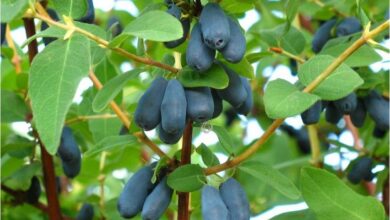
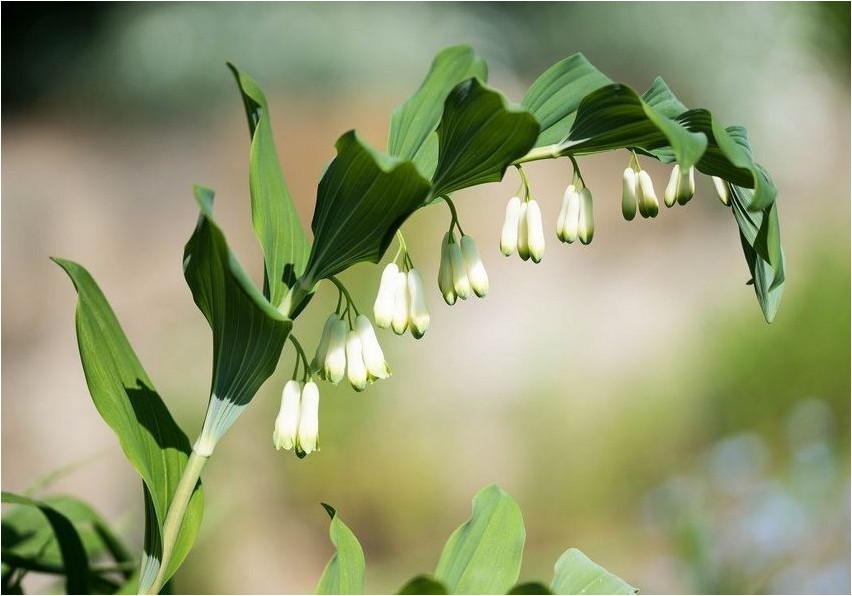
Kupena officinalis is also known by the following popular names: wolf apples, wolf berry, wolf eyes, crow, raven eyes, wolf grass, crane grass, hare cabbage, lily of the valley, signet, bloodberry, hellebore and magpie eyes. Kupena officinalis is a perennial herbaceous plant endowed with a thick, knotty rhizome. The stem of this plant will be faceted and knotty, and at the top it will be arched. The length of such a stem will be about thirty to sixty centimeters, the leaves of this plant will be alternate, they will face the same direction. In shape, the leaves of Kupena officinalis will be either ovoid or oblong-oval; they are also stalk-embracing, glabrous. These leaves are colored green on top, and bluish-green underneath. The flowers of this plant are white, drooping and endowed with a simple fused six-toothed perianth. Such flowers of Kupena officinalis will be located in the amount of one or two in the very corners of the leaves. The fruit of this plant is a spherical berry, colored bluish-black.
Flowering of the medicinal plant occurs in the period from May to June. Under natural conditions, this plant is found in Ukraine, Belarus, the European part of Russia, Western and Eastern Siberia. For growth, this plant prefers places among shrubs, coniferous, deciduous and coniferous-deciduous forests.
Description of the medicinal properties of bought medicinal
Kupena officinalis is endowed with very valuable healing properties, and it is recommended to use the rhizomes and grass of this plant for medicinal purposes. The term grass includes leaves, flowers and stems. It is recommended to harvest the herb kupena officinalis in the period from May to June, while the rhizomes are harvested in late autumn.
The rhizomes of Solomon’s seal contain starch, alkaloids, a large amount of mucilage, fructose, arabinose, glucose, and ascorbic acid. All parts of this plant, and especially its fruits, contain the following cardiac glycosides: convallatoxin, convallarin, and convallamarin. The leaves of this plant contain very high amounts of vitamin C, the flavonoid glycosides vitexin and cosmosiin, and other substances.

Solomon’s seal is widely used in folk medicine. This plant is recommended for colds, hemorrhoids, rheumatism, flu, diabetes, dropsy, edema of various origins, hernias, and lower back pain. Solomon’s seal is also used as an enveloping, hemostatic, expectorant, anti-inflammatory, emetic, emollient, and blood purifier. It’s worth noting that the fresh leaves of this plant should be applied externally to wounds, while boiled leaves can be used as a poultice for various bruises.
A decoction and alcohol tincture of the rhizomes of this plant should be used for pneumonia, bronchitis, heart ailments, headaches, peptic ulcers, arthritis, gout, osteochondrosis, and inflammation of the respiratory tract.