Tsitsaniya
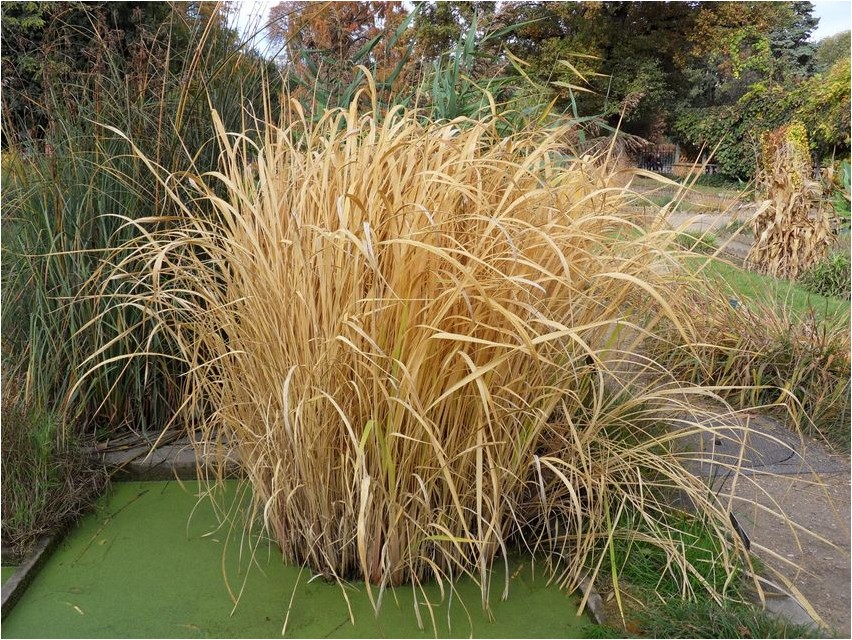
Tsitsaniya (lat. Zizania) is a small genus of herbaceous plants of the Poaceae family. Other names: Zizania, Wild rice, Water rice.
It is used exclusively for culinary and medicinal purposes, as well as for decorating reservoirs. There are four species in the genus. Typical places of growth in nature are rivers, lakes and coastal areas of fresh water bodies. Habitat limited. Plants can be captured in East Asian countries as well as North America.
Characteristics of culture
Tsitsaniya is represented by annual and perennial herbaceous plants, endowed with hollow stems that do not exceed 300 cm in length. The stems, in turn, bear foliage, part of which is located under water, and the other part flaunts on the surface. The leaf blades are quite large.
The inflorescences of representatives of the genus are paniculate and consist of unisexual spikelets. The flowers are both female and male. The first ones are formed in the upper part of the plant, the second ones – in the lower part. The fruits are in the form of caryopses, no more than 2-2. 5 cm long. They are thread-like, initially green, and as they mature, brown or black.
Young stems of tsitsaniya appear above the surface of the water already in the first ten days of July, but the seeds ripen closer to September, earlier under favorable climatic conditions. Pollination of flowers is carried out by wind (as in many representatives of the Poaceae family). Under the weight of large grains, the inflorescences often break and are carried over long distances by the current, which sometimes makes collection difficult, but at the same time expands the range. Perennials overwinter at the bottom of reservoirs.
Productivity and Application
It should be noted that tsitsaniya is a very fertile crop. It’s hard to believe, but over 1000 kg can be collected from 1 hectare of water area. The grain of the plant is nutritious and has a unique composition. It is recommended for use by absolutely everyone: both young children and the elderly. Water rice saturates the body with important vitamins and minerals that are required to maintain the harmonious functioning of all organs and systems.

Today, water rice is actively used in Asian cuisine; soups, side dishes, and sweet dishes such as soufflés with fruits and berries are prepared from it. The culture has also gained recognition among Canadian and American chefs. By the way, grain is recommended to be consumed during a diet; it satisfies hunger quickly and for a long time, minimizes spikes in blood sugar, and counteracts bad cholesterol.
Types of tsitsaniya
Zizania aquatica (Latin: Zizania latifolia) is an annual herbaceous plant with stems reaching two meters in length. A distinctive feature of this species is the absence of rhizomes. The leaf blades are relatively small, up to 2 cm wide. Zizania aquatica blooms in August and September, depending largely on climatic conditions. This species is also known as Canadian or Tuscarora water rice. In the wild, this species grows along riverbanks and lakeshores in Canada.
Zizania latifolia is a perennial plant with creeping rhizomes and wide, hollow stems. The leaf blade is wider than that of the previously described species, typically up to 3 cm. It blooms in the second or third ten days of August, sometimes entering the flowering phase in early September. This species grows in coastal areas and shallow waters. It is found in India, China, Korea, and also in Russia (Primorsky Krai).
How is harvesting done?
Growing water rice requires no inputs; everything is harvested through natural means. The only difficulty is harvesting. It is harvested by hand, which determines the final price of the product. The harvesting is done in boats called canoes. People paddle up to the plants and grab the ears with poles. They are then dried and cleaned.





