Ponkan
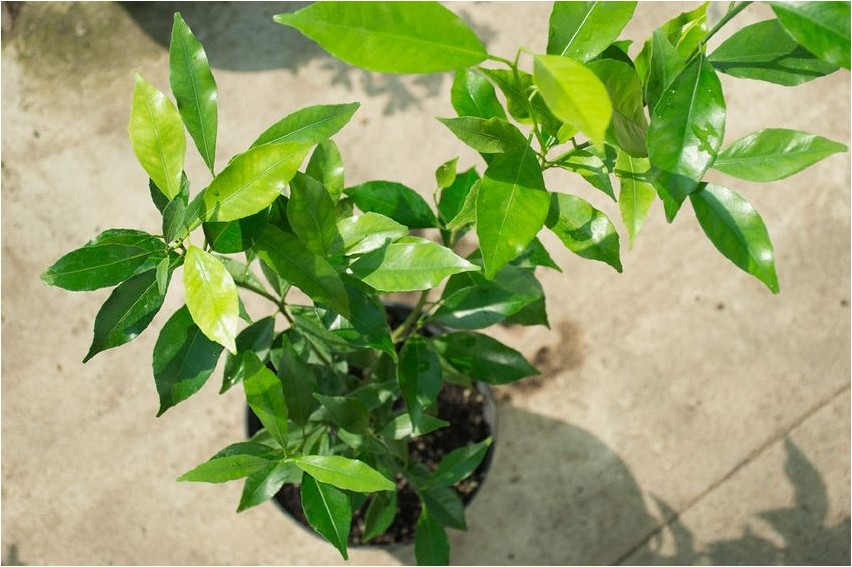
Ponkan (Latin: Citrus ponkan) is a fruit tree in the Rutaceae family, a member of the tropical mandarin family.
Description
The tree”s woody trunks are densely covered with sharp thorns, making harvesting difficult. The glossy leaves of this plant have a very pleasant aroma.
Ponkan fruits are attractive mandarins, far superior to regular mandarins in their nutritional value and flavor. The skin is not very thick and easily separates from the pulp. The segments are also quite easy to separate. The fruits themselves can be either spherical or slightly flattened.
The flesh of unripe ponkans is usually yellow, while that of ripe fruits is always orange. It is very sweet, tender, aromatic, and juicy. However, the fruit contains a large number of seeds. If the fruits hang on the trees for too long, they will noticeably lose quality.
Where it grows
This typically tropical crop is cultivated in India, the Philippines, Taiwan, and southern China. It can also be found in Brazil and Malaysia. It is also grown in Japan, although with certain difficulties. Ponkan is not always suitable for growing in subtropical regions. However, in tropical climates, these amazing fruits reach their maximum size by the time they ripen.
Uses
Ponkan is eaten fresh and can also be used to make jams or preserves. The leaves of this plant are brewed as tea, producing a wonderfully thirst-quenching and exceptionally aromatic drink. Ponkan is also used in cooking as a spice for a wide variety of dishes and as a key ingredient in various desserts and fruit salads. Incidentally, it is very low in calories—100 grams of this fruit contains only 40 kcal. The ponkan peel makes a wonderful zest, which can transform the flavor of familiar dishes beyond recognition.

The ponkan pulp is rich in various microelements and vitamins, making it an excellent general tonic for the prevention of various diseases. Ponkan is especially effective in preventing colds and various gastrointestinal ailments. Furthermore, regular consumption of this miraculous fruit helps prevent the development of atherosclerosis—the pulp of this fruit helps thin the blood.
A fragrant oil consisting of 80% limonene is extracted from the zest of the juicy fruit by cold pressing.
Ponkan is best stored at high humidity and temperatures between 4 and 6 degrees Celsius. Under these conditions, the fruit can be stored for several weeks. When choosing high-quality fruit, it is important to consider its weight and size, as well as the color of its peel.
Contraindications
Ponkan is contraindicated for diabetics, as these fruits are very high in sugar. Furthermore, these fruits are high in organic acids, so they are strictly not recommended for those with increased gastric acidity or during exacerbation of duodenal or gastric ulcers. Ponkan also contains substances that can trigger allergic reactions.
Cultivation
Ponkan is very suitable for indoor cultivation. It is propagated both by grafting and from seeds. Incidentally, grafted trees yield much earlier harvests than their ungrafted counterparts.
Ponkan mandarin.





