Bomarea
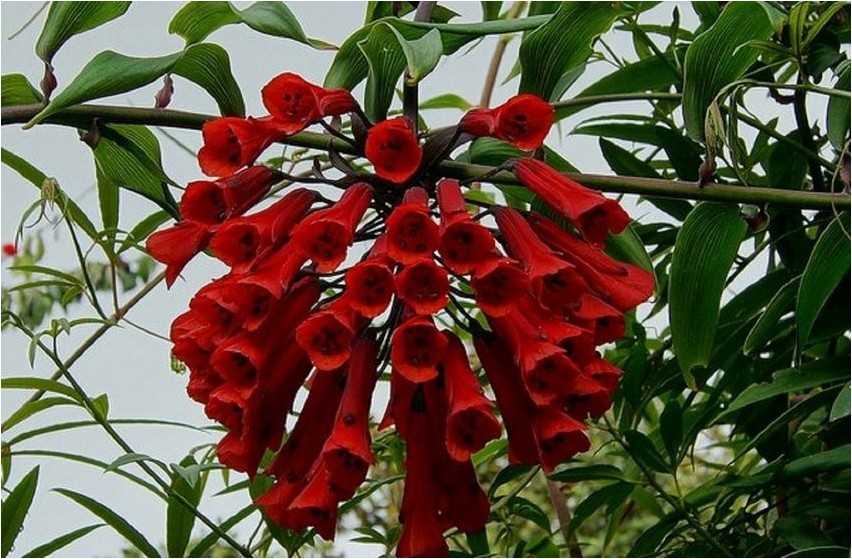
Bomarea (lat. Bomarea) is a genus of perennial tuberous and climbing subshrub plants belonging to the Alstroemeriaceae family.
In nature, representatives of the genus live mainly in South America. The genus includes 100 species, according to other sources – 120 species. The genus received its name in honor of the famous French botanist Valmont de Beaumard.
Characteristics of culture
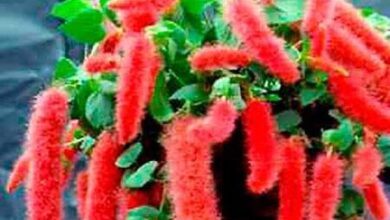
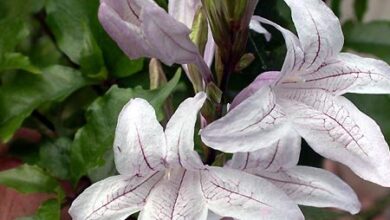
Beaumarea is represented by perennial herbaceous plants and climbing vines, the stems of which during growth reach a length of 4-5 m. The stems, in turn, are crowned with regular, simple, lanceolate foliage, often pubescent over the entire surface. The flowers are tubular or bell-shaped, depending on the species, they can be red, pink and even yellow in color. It is worth noting that the flowers are endowed with leaf-shaped bracts; they can be solitary or collected in racemes, which give the plants a special zest.
Despite the fact that in nature, Bomarea grows in warm countries, it boasts frost-resistant properties, so they can and should be cultivated in open ground in the conditions of central Russia. It is not forbidden to grow bomarea in pots and other containers, as well as cultivate it as a perennial in a greenhouse or apartment. The main thing is to choose a good location for it – sunny, but protected from direct sunlight.
As already mentioned, the genus includes over 100 species, but only two are used in culture. These include Bomarea caldacii and edible Bomarea edulis. Thus, Bomarea Caldas is represented by climbing vines up to 4 m long, which are completely covered with large inflorescences of yellow tubular flowers. Bomarea edible is characterized by heat-loving plants that reach a length of 3 m and bear pink inflorescences with reddish or green spots located inside the flowers.
Features of cultivation
Bomarea is propagated mainly by seed. Seeds are sown in a nutritious, well-drained substrate that includes organic fertilizers. Crops must be covered with film or glass, but removed periodically for watering and ventilation. It is important to note that high humidity is essential for rapid seed hatching.

Place the boxes with seedlings on a sunny windowsill. With proper care and conditions, seedlings appear only after 70-90 days. When three leaves appear on the seedlings, dive into separate containers, preferably deep ones with a drainage layer. Especially if you plan to grow the plant indoors or in a greenhouse.
Reproduction of bomarea by dividing the bush also takes place. The manipulation is carried out in early spring. The bushes are divided carefully, so that each division is endowed with a growth point. Planting material is planted in boxes filled with nutritious, fertilized, moistened substrate, first treated with growth stimulants, which will speed up the rooting process.
Maintenance is relatively easy. It is important to systematically moisten the crop, feed it with liquid mineral fertilizers (when grown indoors, at least once a month in spring and summer) and remove dried shoots with a knife at the soil surface. You should also take care of strong support and preventative treatment against pests.