Jujube bunge
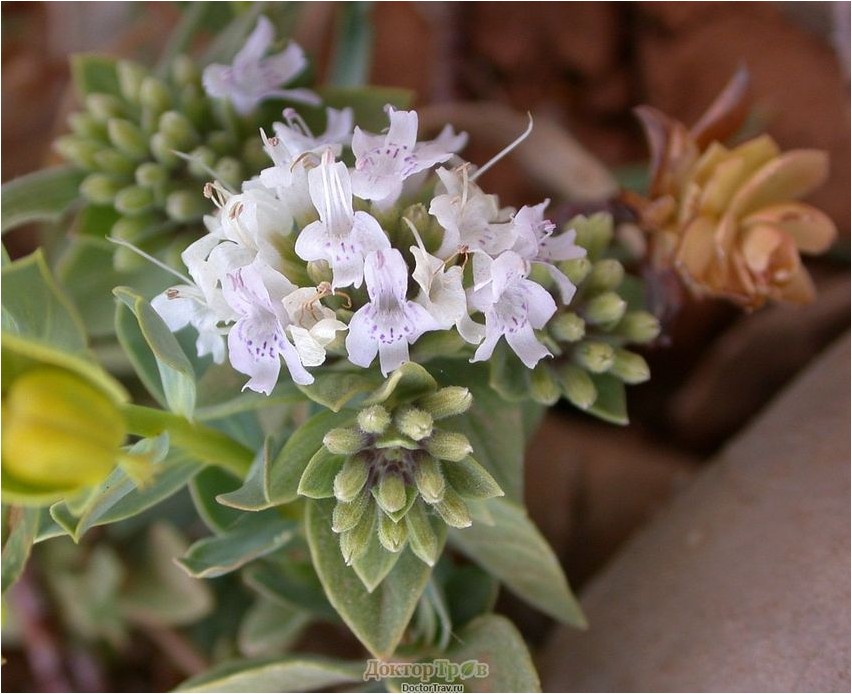
Ziziphora bungeana is one of the plants of the family called Liliaceae; in Latin the name of this plant will be as follows: Ziziphora bungeana Juz.
As for the Latin name of ziziphora bunge, in Latin it will be: Liliaceae Juss.
Description of Ziziphora bunge
Jujube bunge is a perennial subshrub, endowed with numerous heavily pubescent stems, the height of which can reach forty centimeters. The length of the leaves will be about half a centimeter to fifteen centimeters, such leaves will be narrowed at both ends, they are entire and almost bare, the leaves are endowed with dotted glands. The bracts are very similar to the stem leaves, but they are much smaller. The inflorescences of Ziziphora bunge will be hemispherical, loose and capitate. The calyxes are narrow and short, and also grayish. The corolla reaches eight millimeters in diameter, is two-lipped and slightly pubescent, and is also colored pink.
Flowering of ziziphora bunge occurs from July to August. Under natural conditions, this plant is found in Central Asia, as well as in the following regions of Western Siberia: in the Altai and Irtysh regions. For growth, the plant prefers rocky, gravelly and clayey rocks, as well as mixed-grass steppes. It is noteworthy that this plant is a perganos and is a rather valuable honey plant.
Description of the medicinal properties of ziziphora bunge
Jujube bunge is endowed with very valuable healing properties, and it is recommended to use the grass and juice of this plant for medicinal purposes. The term grass includes leaves, flowers and stems. The presence of such valuable healing properties is explained by the content of essential oil, saponins, organic acids, alkaloids, flavonoids, tannins and vitamin C in the plant.
The aerial part of Ziziphora bunge also contains essential oil, organic acids, alkaloids, ziphorin, tannins and bungeonic acid. The stems, flowers and leaves contain saponins, alkaloids, essential oil, organic acids, vitamin C, flavonoids and tannins. The buds also contain vitamin C.

The extract and infusion of the herb should be used for cardiac and menopausal neurosis, for hypertension, age-related and acute rheumatic carditis, which are accompanied by circulatory failure, as well as for rheumatic endomyocarditis in children in the active phase of the disease.
Infusion, decoction and extract of this plant are endowed with hemostatic properties, can increase the activity of respiratory enzymes during hypoxia, and also have a positive effect on collateral coronary blood flow. In addition, such drugs have a positive preventive and therapeutic effect in myocarditis and myocardial infarction. As for traditional medicine, an infusion of the herb ziziphora bunge is used as a general tonic.
A decoction of the leaves of this plant is used as a diuretic and appetite stimulant, and is also used for stomach colic, nausea, throat diseases in children and syphilis. Zizphora bunge flower extract is recommended for use for frequent vomiting, flatulence and gastritis. It is noteworthy that in everyday life the branches of this plant are used as a spice when processing fish. It should be noted that ziziphora bunge essential oil can be used in perfumery.
For neurosis, vegetative dystonia and neurasthenia, it is recommended to use this remedy: to prepare it, take two tablespoons of the crushed aerial part of the plant per two glasses of boiling water. The resulting mixture is infused for two hours and filtered thoroughly. Take this remedy half a glass three times a day.





