Abdominea
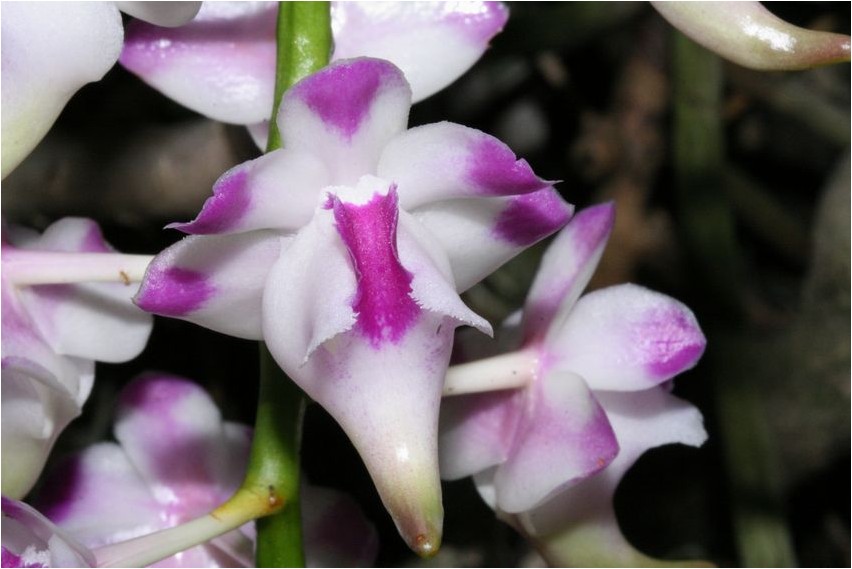
Small-flowered abdominea (lat. Abdominea minimiflora) is the only species of rare orchids of the genus Abdominea (lat. Abdominea) of the Orchid family (lat. Orchidaceae).
Racemose inflorescences, formed from small, numerous glossy flowers, can be found in the wild only in a limited area, ranging from Thailand to the Philippines. Looking at the amazing and rare creation of nature, you never cease to admire the diversity of living nature, which gives man the joy of being.
What’s in your name
The Latin word, taken as the basis for the name of the genus, is translated into Russian as the word “abdomen” or “abdominal cavity.” With this name, botanists emphasized the similarity of the lip of a plant flower with the abdomen of an insect.
The specific epithet “minimiflora” of the only species of the genus is explained by the small size of the numerous flowers, which together form a rather long and original racemose inflorescence.
Sir Joseph Dalton Hooker
The first description of a rare species of orchids was made by the English traveler and botanist, Sir Joseph Dalton Hooker, whose 200th birthday falls in June of this year (Joseph Dalton Hooker, 06/30/1817 – 12/10/1911).
During his 94 years of life, he did a great job of studying the flora of our planet. He made descriptions of many new plants discovered both by other botanists and by himself.

Hooker’s long friendship with Charles Darwin was a good support for Darwin, whose idea of the origin of species was not supported by all his contemporaries. In Joseph Hooker, Darwin found not only a kind-hearted and admirable comrade, but also a sincere supporter of his idea.
Thanks to the dedicated work of Joseph Hooker and his father, William Hooker, the Royal Botanic Gardens at Kew (UK) became a world-famous garden that remains one of the leaders in garden art today.
Description
Abdominea parviflora is an epiphytic plant that lives on tropical trees and is very rare in nature. Under natural conditions, the plant can be observed in only four countries in the world: Vietnam, Indonesia, Malaysia and the Philippines.
The basis of perennial life is the rhizome, from which slender roots with false bulbs hang from the trees. The stem of the plant is very short.
The thin, leathery leaves have an elliptical-lanceolate shape, narrowed at both ends to sharp tips. Green when young, the leaves dry out and turn black.
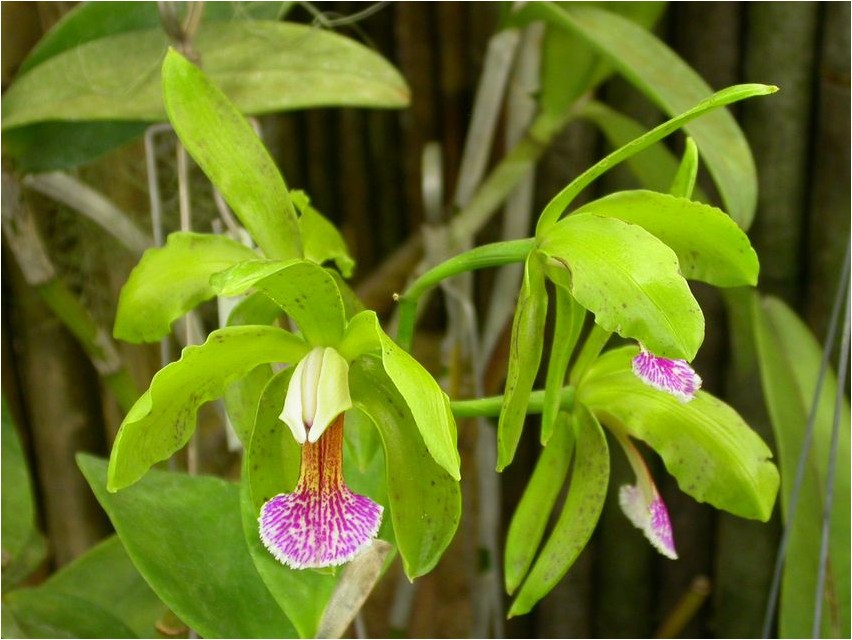
Racemose inflorescences about 7 centimeters long hang from tropical trees, resembling a string of beads composed of numerous amber shiny miniature flowers, the width of which does not exceed 4. 5 millimeters. Subulate green bracts are fused with miniature flowers. The color of the flower petals is white-green-yellow-amber. The shape of the sepals and flower petals is oblong, with blunt edges. The lips are conical-bag-shaped, reminiscent of the abdomen of some insects.
Usage
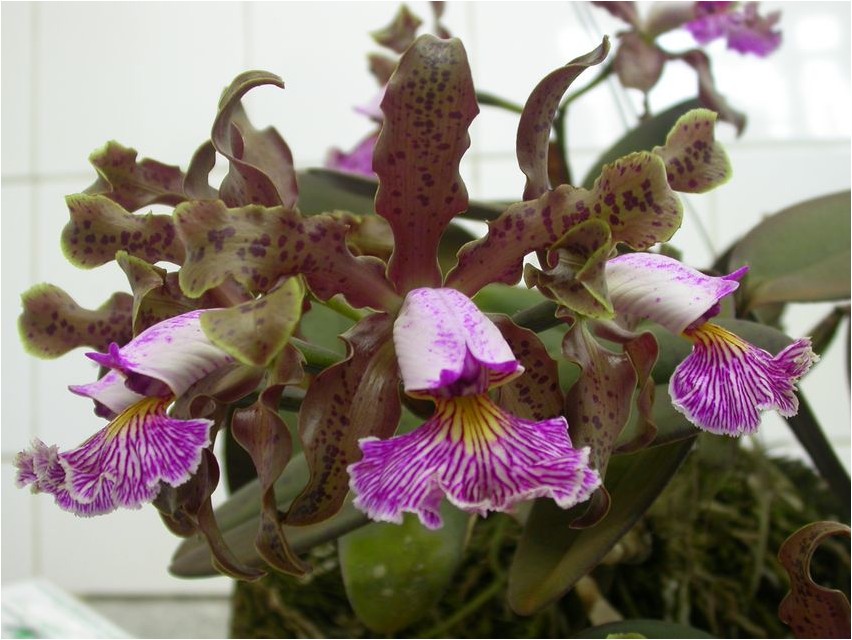
Fans of orchids grow the rare species “Abdominea minimiflora” in greenhouses and as houseplants, which differs from most orchids, which display large flowers of various colors, with modest miniature flowers. The small size of the flowers is more than compensated by their numbers and funny shape, similar to drops of amber frozen on a long racemose inflorescence.
The growing conditions for plants are the same as for other epiphytic orchids, which have firmly established themselves on the windowsills and flower shelves of human homes located in areas with cold winters.