The Best English Lessons for Children: Learn the Language with Ease!
The modern world demands knowledge of English, and this skill is essential even for children. Children can begin learning English at an early age to easily adapt to a multicultural world and communicate with people from different countries. Furthermore, learning a language early on improves cognitive abilities and academic performance.
Article Contents:
- Why it’s important to learn a foreign language from childhood
- Choosing English lessons for different ages
- How English lessons for children work
- Educational games and exercises in English lessons for children
- Benefits of private English lessons for children
- The effectiveness of teaching English to children
english lessons for children should be engaging and interesting. Classes should include games, songs, and stories that help children memorize new words and phrases. Furthermore, learning English in a group setting helps children develop communication skills and learn to work in a team.
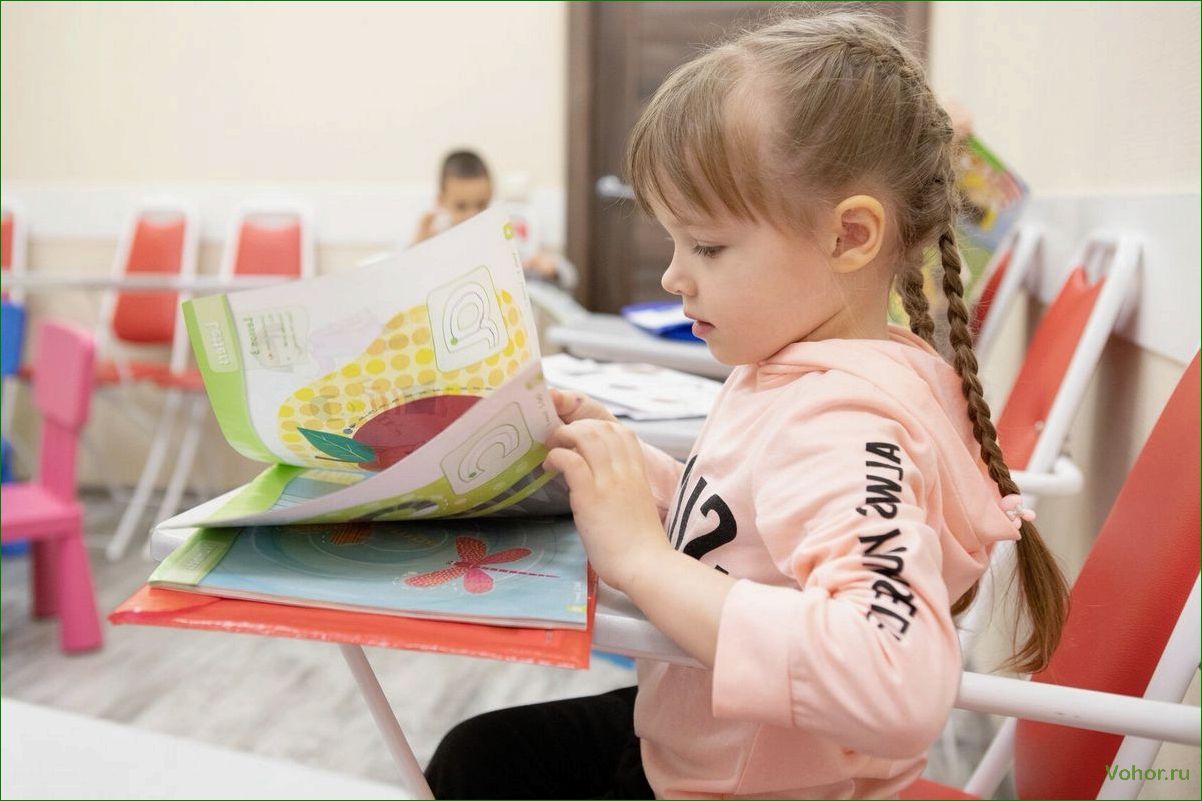
In this article, we’ll discuss why learning English is important for children and which teaching methods help them memorize new words and phrases. We’ll also share tips on how to organize English lessons for your child and how to choose high-quality textbooks and teaching materials.
Why it’s important to learn a foreign language from childhood
Acquiring pronunciation skills.
Children easily perceive new sounds and accents, which helps them master pronunciation better. By learning a language from childhood, children adapt more quickly to the new language and typically don’t suffer from an accent when communicating in foreign languages later in life.
Developing memory and mental abilities.
Learning foreign languages at an early age can promote the development of memory, mental abilities, creativity, and analytical skills. These skills will be useful to children and will help them throughout their lives in their professional and personal lives.


Opening up new opportunities.
The advantage of knowing foreign languages is that it opens up new opportunities for children to communicate, travel, study, and work in different countries around the world. Knowledge of foreign languages becomes the foundation for education and career advancement in any field.
Choosing English lessons for different ages
Choosing English lessons is very important for children of different ages. The effectiveness of learning and the students’ interest in the language depend on what tasks the student faces and what topics are studied. For example, for young children, you need to choose lessons that contain bright and simple graphics, playful forms of learning, and active communication with the teacher.
The choice of English lessons for teenagers should take into account their interests and hobbies. At this age, students are actively learning a foreign language and can quickly change preferences. Therefore, lessons should be from different areas of knowledge so that students have the opportunity to broaden their horizons and become interested in learning the language.
- Lessons with games and songs are suitable for younger schoolchildren to help memorize new words and phrases.
- Lessons for middle schoolers can include topics that may be useful in the future, such as economics, geography, fashion, sports, etc.
- For high school students and adults, lessons are suitable that help them pass exams such as IELTS, TOEFL, Cambridge English, etc.
It is very important to constantly adapt the study program and choose English lessons for children , suitable for students. Then teaching English will be successful and effective, and students will enjoy learning their favorite language.
How English lessons for children work
English classes for children are usually held in groups of 5 to 10 people. Each lesson lasts from 30 to 60 minutes depending on the age and level of English of the student.
In classes, children engage in reading, writing, speaking and listening. The tasks are selected in such a way that students not only learn new words and grammar, but also improve their communication skills.
Teachers use interesting teaching methods and playful forms of teaching to create a pleasant atmosphere for children and help them better absorb information. All materials for classes are selected in accordance with the interests and age of children.
In classes, children can learn:
- Read and write in English
- Speak English
- Understand speech in English
- Play games related to the English language
At the end of each lesson, the teacher usually gives homework assignments so that the children can repeat the material and consolidate it in their memory.
English classes help not only to learn the language, but also to broaden your horizons, get to know another culture and people from other countries. And this is already very valuable in our multinational world.
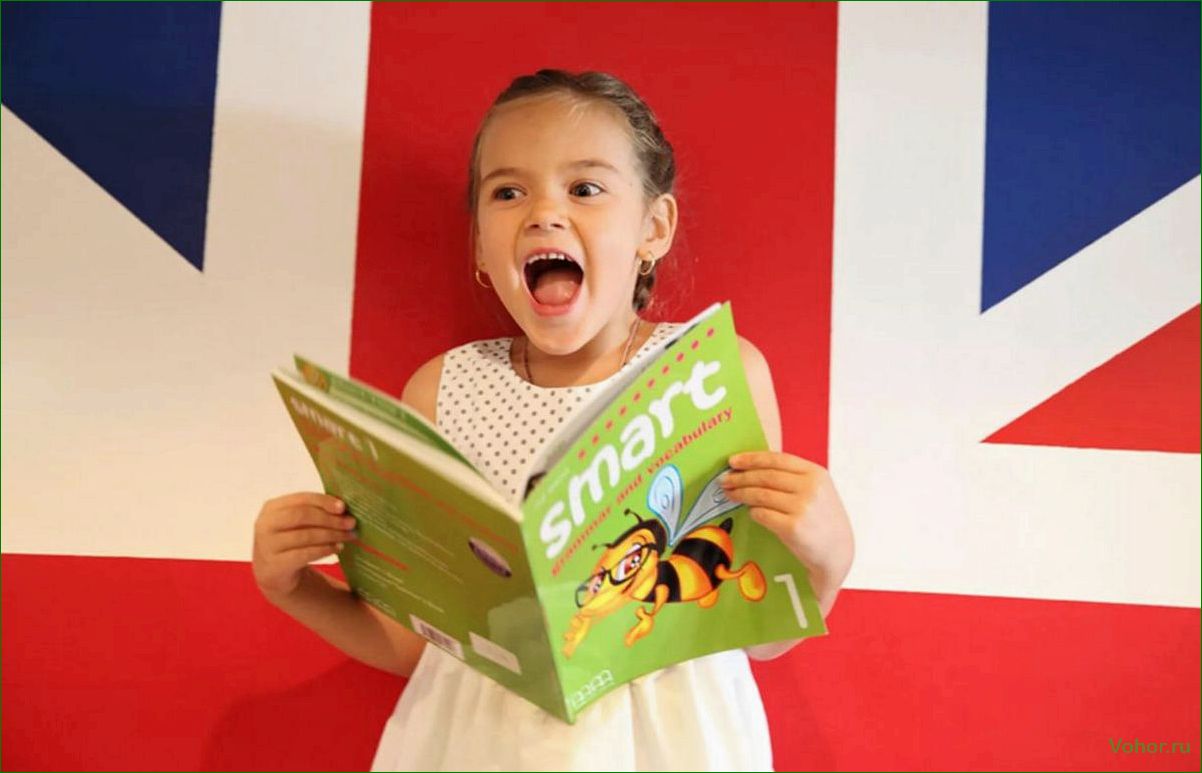
Educational games and exercises in English lessons for children
An English lesson for children should be interesting and exciting. To do this, you need to use various educational games and exercises to attract children’s attention and help them learn new material more easily.
One of the effective exercises in English lessons for children is playing with cards depicting objects. Children learn to name in English the objects they see in the picture. This helps improve their vocabulary and ability to comprehend information.
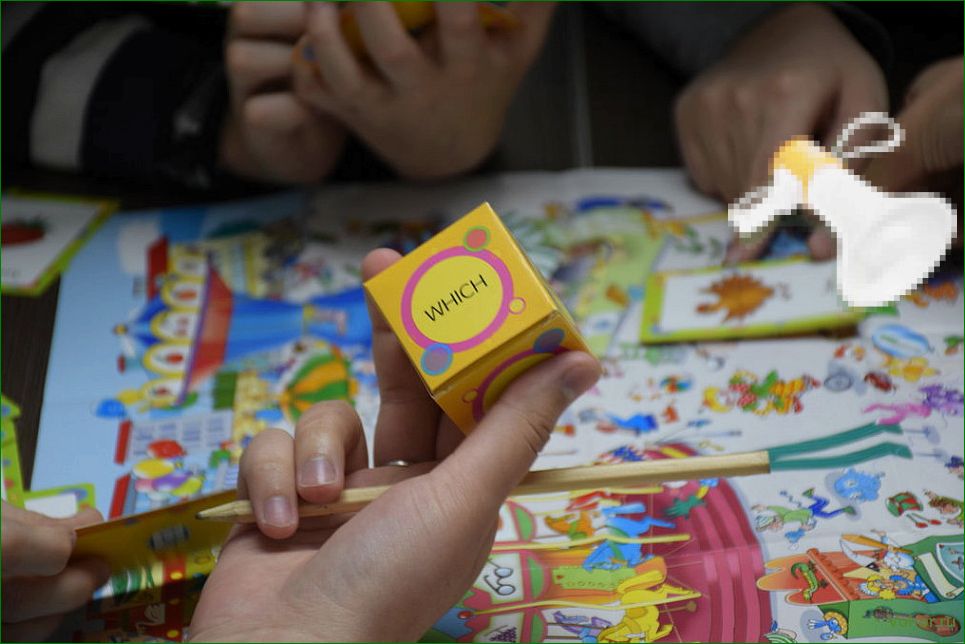
Another useful exercise is the L Word game. Children name words in English that begin with a given letter. This helps them improve their pronunciation and practice grammar rules.
- Using games and exercises in English lessons for children allows you to:
- Get children interested in learning the language;
- Improve vocabulary and pronunciation;
- Develop their ability to perceive information.
| Exercise name | Purpose of the exercise | Example |
|---|---|---|
| Game with cards | Improving vocabulary and ability to perceive information. | Say in English what is shown on the card. |
| Letter word | Improving pronunciation and practicing grammar rules. | Name a word in English that starts with the letter “B”. |
The use of educational games and exercises in English lessons for children is a necessary condition for successful language learning. They help children learn new material more easily and introduce elements of play and fun into classes, which makes lessons more interesting and memorable.
Benefits of private English lessons for children
An individual approach to your child is the main advantage of studying English alone. The teacher can determine the child’s level of knowledge and adjust classes to his needs and characteristics. He will be able to adjust the curriculum, choose suitable textbooks, materials and methods of working with each child individually. This has a positive effect on the learning process and assimilation of the material, and also avoids difficulties associated with differences in the level of knowledge and the pace of perception of information in the classroom.

A flexible schedule is another advantage of individual lessons. Parents can choose a convenient time and day for lessons that won’t conflict with their child’s school schedule or extracurricular activities. They can also cancel or reschedule lessons in the event of any unforeseen circumstances. This makes the learning process more comfortable and helps reduce stress.
Focusing on the child’s progress is another advantage of individual lessons. The teacher can focus on each child’s progress, monitor their learning progress, and adjust the curriculum according to their needs and progress. This leads to better results than in a classroom setting, where the flow of knowledge can be uneven.
The effectiveness of teaching English to children
Teaching English at an early age has many advantages. Children at this age are in the period of maximum absorption of new information. This makes learning English easy and natural for them.
Furthermore, knowledge of English opens up additional career opportunities. In today’s increasingly globalized world, speaking English is not only an advantage but a necessary skill.
- Teaching MethodsThere are many methods for teaching English to children. Some use games, books, and audio materials. Other methods emphasize communicative practice and interaction between children.
- Attention and MotivationFor successful English learning, it is necessary to create an atmosphere of attention and motivation. It is important for the child to be engaged in the language learning process and see how they can apply their knowledge in real life.
- Regular ClassesIt is very important to have English lessons regularly. It is recommended to hold classes at least twice a week. More frequent classes can lead to overload of children’s memory, and less frequent classes can lead to forgetting previously learned material.
Following these simple tips will make learning English for children more effective and unforgettable.


