Anigozanthos
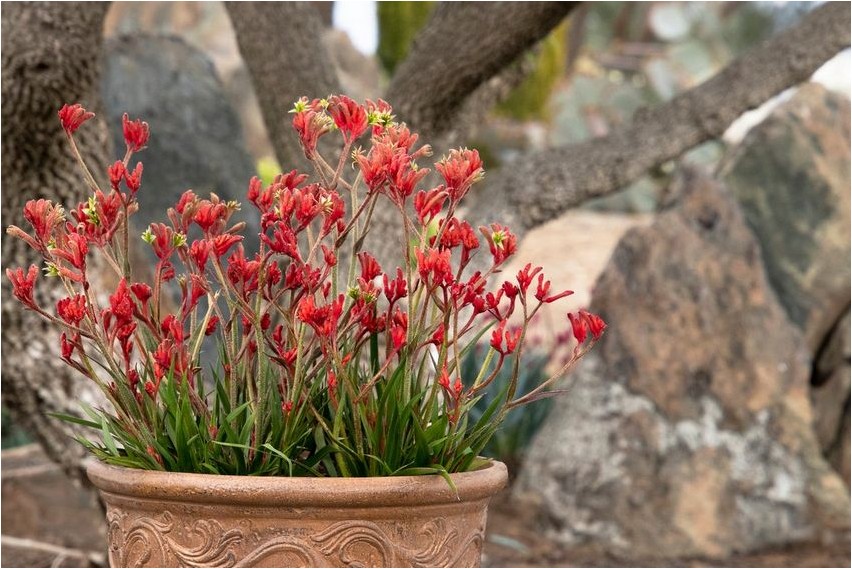
Anigozanthos (Latin: Anigozanthos) is a beautiful flowering plant from the Chemodoraciae family. It is popularly known as “kangaroo paws” because its inflorescences resemble the paws of these adorable animals.
Description
Anigozanthos is a colorful subshrub or herbaceous plant whose branched rhizomes are typically arranged in a horizontal manner. The length of its pubescent stems can reach two meters in the wild.
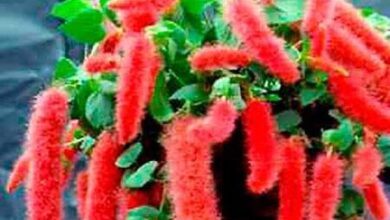
The lanceolate basal leaves of Anigozanthos are folded into small, striking rosettes, and its rather long peduncles produce unusually shaped, luxurious, velvety panicles of inflorescences that can be yellow, light green, or pink. Bicolor varieties of this plant are also available, which are especially prized by florists. The densely pubescent inflorescences of these plants can combine a wide variety of shades of green, as well as red and even black!
Currently, there are over twelve varieties of Anigozanthos, some of which are successfully cultivated indoors—typically, these plants grow no more than sixty centimeters tall.
Where it grows
Anigozanthos is native to Australia. Experience shows that this plant thrives best in humid subtropics.
Usage
Freshly cut flowering shoots of Anigozanthos last beautifully in vases for up to three weeks, sometimes longer, and dried plants can be stored indefinitely. Therefore, tourists lucky enough to visit Australia often enjoy purchasing ikebana arrangements and all kinds of floral souvenirs made from this plant. Growing and Care

Anigozanthos grow extremely slowly and do not tolerate frequent repotting—repotting is only permitted once their root system has developed. Excessive fertilizing is also undesirable for this plant: fertilize it once a month only during the active growing season (with combined or organic fertilizers), and stop fertilizing completely with the onset of winter. Incidentally, fertilizing can be replaced with equally beneficial mineral fertilizers.
To prolong the flowering of anigozanthos and ensure its mass production, it is necessary to promptly prune faded inflorescences. Also, to enhance the shrub’s decorative appearance, it is a good idea to promptly remove any old, yellowed leaves.
Lighting for anigozanthos should be quite intense, but at the same time diffused – it is undesirable for direct sunlight to fall on the leaves. By the way, in the spring-summer season the plant will feel best in open ground conditions, that is, it can be safely planted in flower beds or simply taken out to the balcony.
The soil in pots with anigozanthos should be systematically loosened. And it is also extremely important not to allow excess moisture – it can cause a complete lack of flowering. However, in order to cope with this problem, it is enough to simply return to proper care – the plant in this case will recover on its own. Ideally, anigozanthos should be watered twice a week, but on particularly hot days it is quite acceptable to slightly increase the frequency of watering. But anigozanthos reacts positively to spraying, although they are not a vital condition, so you should periodically pamper it with them.
Anigozanthos propagates either by dividing bushes or by seeds. As for pests, most often this plant suffers from attacks by spider mites and mealybugs.
New plant&