Posthenitsa officinalis
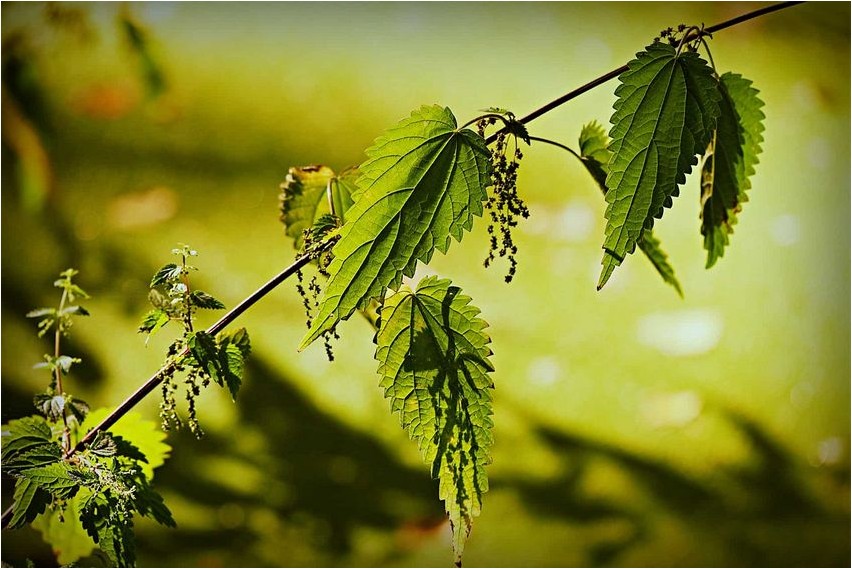
Nettle grass is one of the plants of the family called nettles; in Latin the name of this plant will be as follows: Parietaria officinalis L. (P. erecta Mert. et Koch.).
As for the name of the wallflower family itself, in Latin it will be like this: Urticaceae Juss.
Description of the wall plant
Pothenitsa officinalis is a perennial herbaceous plant, the height of which will fluctuate between thirty and fifty centimeters. The leaves of this plant will be oblong-elliptical or lanceolate; along the edges such leaves are ciliated, while on top they will be bare and dotted and densely tuberculate. Flowers of the plant are found in inflorescences, with the lower flower being pistillate and the rest being bisexual. The fruit of this plant is a nut, the length of which is one millimeter, and such a fruit will be colored in dark olive tones.
This plant blooms from May to August. Under natural conditions, wallflower is found in the territory of Moldova, Crimea, the Carpathians in Ukraine, the Baltic region of Russia, the Baltic republics and the following regions of the Caucasus: Dagestan, Western Caucasus and Ciscaucasia. To grow, this plant prefers forests and shrubs, slopes, rock crevices and rocky dry places, and can sometimes also be found as a weed.
Description of the medicinal properties of wallflower
Pothenitsa officinalis is endowed with very valuable healing properties, and it is recommended to use the roots and herbs of this plant for medicinal purposes. The term grass includes stems, flowers and leaves.
The presence of such valuable healing properties is recommended to be explained by the content of caffeic acid, anthocyanins, related higher fatty acids, sitosterol, vitamin C, tannin phlobotanin, alkaloid coniine, flavonoid 3-glucoramnoside kaempferol and the following organic acids in this plant: tartaric, oxalic and malic. The leaves will contain quercetin, vitamin C and leukoanthocyanins.

Poshenitsa officinalis has very effective hemostatic, anti-inflammatory and diuretic properties, as well as antibacterial activity.
As for traditional medicine, here this plant is very widespread. Traditional medicine recommends using a decoction prepared on the basis of the roots of the plant for various gastric diseases and bronchial asthma; externally, this remedy is used for phlegmon and burns; this remedy is also used as a diuretic for chronic nephritis, pyelitis and cystitis.
Extracts and infusions prepared from the leaves of the plant are indicated for use in cases of metabolic disorders, dysentery, pulmonary tuberculosis, and are used as a hemostatic agent for hemorrhoidal and uterine bleeding, as well as for pulmonary hemorrhage. As a diuretic, such drugs are used for various diseases of the bladder. It should be noted that such medicinal products based on the medicinal plant prove to be very effective, provided that they are used correctly and properly prepared.
Externally, an infusion prepared from the leaves of the plant is used. This healing agent is used to strengthen hair, and also as a wound-healing and skin irritant.





