Garden marjoram
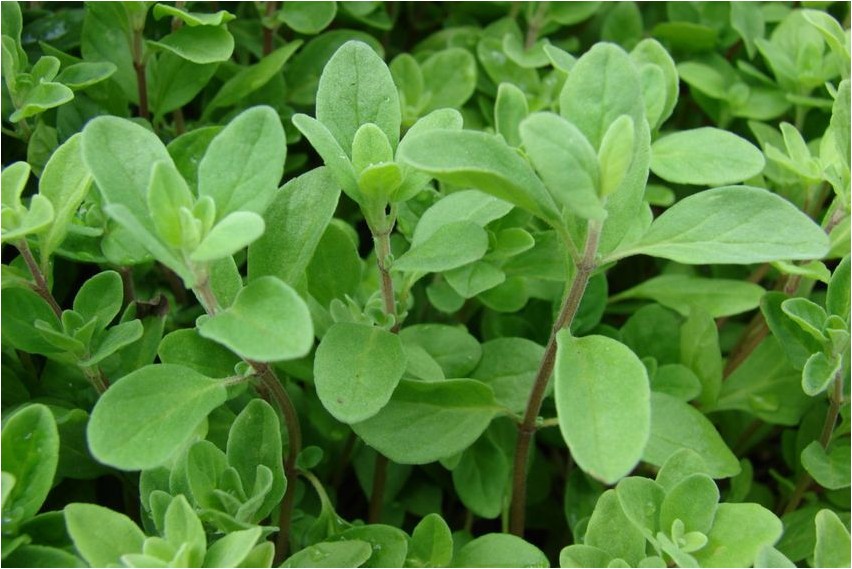
Garden marjoram is one of the plants of the family called Lamiaceae; in Latin the name of this plant will be as follows: Majorana hortensis Monch.
As for the name of the garden marjoram family itself, in Latin it will be: Lamiaceae Lindl. (Labiatae Juss.).
Description of garden marjoram
Garden marjoram is an annual herbaceous plant, but in Mediterranean countries this plant will be perennial. This entire plant is gray-tomentose, it is endowed with an erect and densely leafy stem, the height of which will fluctuate between twenty and fifty centimeters, and at the base such a stem will be woody. The leaves of this plant are entire and ovate. Garden major flowers will be colored either white-pink or white. Such flowers are small, they are collected in half-whorls, which in turn will form brushes in the axils of the uppermost leaves. The fruits of garden marjoram are small nuts that ripen in the month of August.
As a spicy aromatic plant, garden marjoram will be cultivated in France, North Africa, Southern Europe, Poland, Germany, Hungary, Asia, Crimea, the Caucasus, Ukraine, Central Asia, South and North America.
Description of the medicinal properties of garden marjoram
Garden marjoram is endowed with very valuable healing properties, and it is recommended to use the herb of this plant for medicinal purposes. The first time such raw materials are collected is at the very beginning of the summer period, before the flowering of this plant occurs.
The presence of such valuable healing properties should be explained by the content of the following aromatic essential oils in the aerial part of this plant: borneol, terpinenes, phenols, sabinene and pinene. In fact, their aroma is reminiscent of cardamom, mint and thyme.

Now in many countries of the world, garden marjoram is used as a spice, which is added to stewed meat, minced meat, fish dishes, soups, and pates. Garden marjoram will help improve digestion and also enhance the formation of gastric juice and bile.
An infusion made from marjoram has diuretic, antiseptic, antispasmodic, antiscorbutic, and tonic properties. This infusion is recommended for gastritis accompanied by low gastric acidity, as well as flatulence, enterocolitis, chronic cholecystitis, insomnia, headaches, vomiting, gastrointestinal colic, and menstrual irregularities.
It’s worth noting that in some countries, marjoram infusion is used for bronchitis, pneumonia, and coughs accompanied by copious sputum. In folk medicine, this plant is used as a tonic, stomachic, wound-healing, and anticatarrhal agent. Combined with other medicinal herbs, marjoram is effectively used for neurasthenia, rhinitis, bronchial asthma, and paralysis. This plant can also be used internally as an infusion, as well as externally for wound compresses and baths. Crushed fresh marjoram is applied to inflamed blisters at night: a rather effective and lasting positive result will be noticeable the next day. For bloating, use a decoction of four teaspoons of crushed marjoram per cup of boiling water. Let this mixture steep for twenty minutes, strain, and take one-third of a cup before meals four times a day.





