Scandix crested
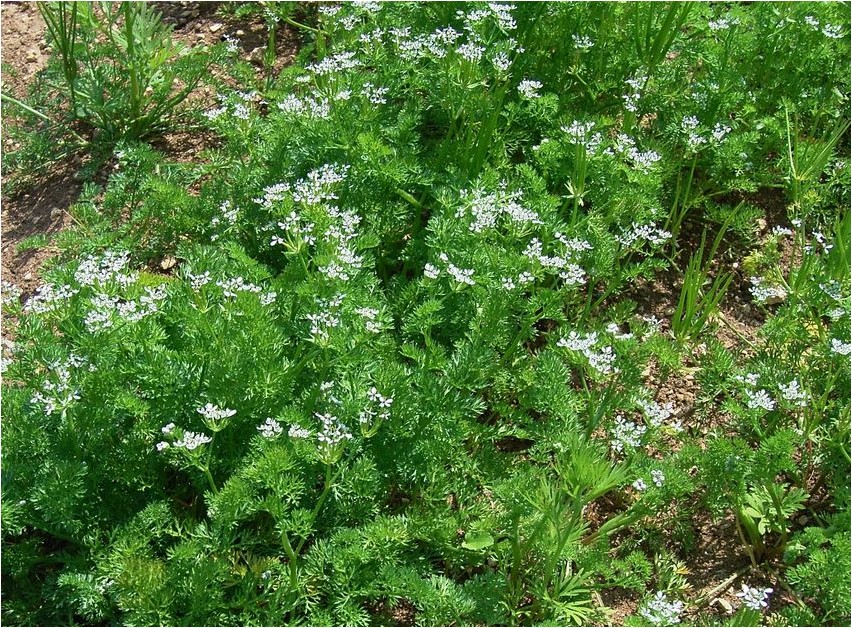
Comb Scandix (lat. Scandix pecten veneris) is a herbaceous edible annual plant that has many names. The comb-like bristles of the plant’s fruit served as a model for the name for botanists, reminding them of a comb for combing hair.
The lacy leaves of Scandix crestata make it attractive as an ornamental plant, and their healing abilities are used by healers.
What’s in your name
Scandix comb, which was born in the wheat fields of England as a weed, with its strange fruits sticking out like sharp needles among the golden ears of wheat, evoked among farmers many associations with the myths and legends that people are so rich in. This is where different names for the plant came from.
From the foggy expanses of England, Scandix crest moved to the European continent, where it quickly mastered large territories, reaching the Crimea and the Caucasus. But even this seemed not enough to him and the plant moved to Asia and the lands of West Africa, acquiring new names. For example, in hot Algeria the plant is called “Meshtoy”, which in translation from Arabic symbolizes the same comb-comb.
But in the botanical world, the Latin name “Pecten veneris” (“Crest of Venus”), recorded in “Natural History” by Pliny the Elder, the first encyclopedist of our planet, working in the 1st century AD, was assigned to the plant.
Description
The sparsely hairy stems of the annual plant manage to grow up to 50 cm in the short summer season, becoming hollow with age. On the petiole, widened at the base, there are pinnately incised decorative leaves. Umbrella inflorescences consist of small white bisexual flowers. The cylindrical fruits begin with a thickened body, occupying 1. 5 cm of the entire length of the fruit, then there is a warlike beak-needle, up to 7 cm long. The community of several such needles, covered with hairy pubescence, creates the impression of a ridge sticking out among other herbs and distinguishing Scandix comb from its other relatives in the plant family, including Chervil, with which it can be confused before its appearance fruits

Scandix comb is distinguished by its unpretentiousness to living conditions and resistance to drought. Although the plant is edible and has been actively used by people since ancient times, for farmers growing corn, wheat, and sugar beets, it is an annoying weed that reduces the yields of their crops.
Edible and healing plant
The edibility of Scandix is mentioned in ancient Greek texts dating back to the 5th century BC. Europeans used the tops of the plant in vegetable salads. And in the 1st century AD, listing the edible plants of Egypt, Pliny the Elder writes about it in his encyclopedic work.
Farmers’ use of modern herbicides and the practice of burning crop residues in compressed fields has led to a dramatic decline in Scandix crested in rural England. However, by the end of the 20th century, wild food enthusiasts noted that the ban on stubble burning introduced in the country and the resistance of Scandix comb to herbicides allowed the plant to restore its strength. So, today Scandix crest lovers have something to enjoy.
Traditional healers use the harvested herb of the plant during its flowering period (from May to June) as a laxative and diuretic, relieve the condition of sick respiratory organs when coughing, promoting better expectoration of sputum. It is believed that the herb Scandix comb is able to resist malignant tumors in the human body.





