Pelargonium

Pelargonium (lat. Pelargonium) is a container plant; perennial herbaceous plant of the Geranium family. The birthplace of the culture is South Africa. Pelargonium got its name due to the similarity of the plant’s seeds to the beak of a stork.
Types and their characteristics
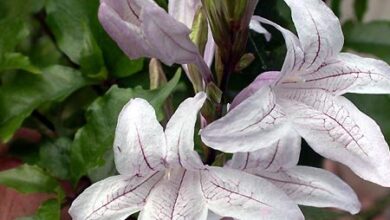
* Fragrant pelargonium (lat. Pelargonium graveolens) – the species is represented by perennial subshrubs with deeply cut leaves that have a pronounced and persistent aroma. The flowers are small, collected in umbrella-shaped inflorescences of lilac-pink color. Dark purple streaks are visible on the inside of the inflorescences. Fragrant pelargonium blooms from April to July.
*Zonal pelargonium (lat. Pelargonium zonale) – the species is represented by perennial herbaceous plants with light green leaves. The flowers are medium-sized, collected in umbrella-shaped inflorescences, and can be of a wide variety of shades (from white to bright red). With proper care, the flowering period is unlimited. The species includes highly decorative subspecies, for example, rosebud pelargonium – with large double flowers that look similar to half-open rose buds; dwarf pelargonium – plant height does not exceed 15 m; tulip-shaped pelargonium – with large flowers resembling tulips.
*Royal or large-flowered pelargonium (lat. Pelargonium grandiflora) – the species is represented by perennial herbaceous plants, the height of which can reach 150 cm. The leaves are round, finely toothed. The flowers are large, collected in racemes of 3-7 pieces. The upper petals of royal pelargonium are covered with colored spots. Under indoor growing conditions, the crop blooms from April to July, outdoors – from May until the first frost.
*Tetrahedral pelargonium (lat. Pelargonium tetragonum) – the species is represented by perennial herbaceous plants with three or tetrahedral stems, the height of which varies from 30 to 70 cm. The leaves are heart-shaped and consist of five blades. The outer side of the leaf is green, the inner side is reddish-brown.

* Shield pelargonium, or ivy-leaved pelargonium (lat. Pelargonium peltatum) – the species is represented by perennial subshrubs with creeping stems. The leaves are green, ivy-shaped. The flowers are white or pink, collected in corymbose inflorescences, located on long peduncles.
Growing conditions
Pelargonium is a perennial crop that is grown both indoors and in the garden. The plant prefers sunny windowsills, without drafts. Pelargonium tolerates light partial shade calmly. When there is a lack of lighting, the plants’ stems are exposed and flowering is weak. At temperatures below 12C, pelargonium stops blooming. The culture has a negative attitude towards waterlogging of the soil; its roots begin to rot and the plant dies as a result. Otherwise, pelargonium is not whimsical.
Reproduction and planting
Pelargonium propagates by cuttings and seeds. The first method is most common among flower growers. Cuttings are carried out in February – March or August – September, these are the most favorable periods. The cuttings are rooted in sand or perlite, or standardly in water, the process lasts about 2-3 weeks. Rooted cuttings of pelargonium are planted in pots filled with a mixture consisting of light hell soil and coarse sand, and watered abundantly.
Care
Pelargonium is a moisture-loving plant, it requires proper watering. It is not recommended to overwater the crop; the first signs of excessive watering are limp and rotten leaves and blackening at the base of the stem. Drought is not so destructive for pelargonium. In summer, the plant is watered more often than in winter. In the cold season, watering is reduced, and excess water formed on the pallets is removed.
Pelargonium also needs fertilizing with complex mineral fertilizers, especially during the flowering period. Fertilizers are applied in late February – early March, then in June – July. As the plant grows, it is transplanted into a larger pot. Pelargoniums are regularly sanitized against diseases and pests. Most often, the crop is affected by spider mites and aphids, and diseases include rust and gray rot.
Like many types of indoor plants, pelargonium requires pinching and pruning. This applies to a greater extent to semi-shrub varieties. The bare stems of the plants are removed, leaving small stumps 4-5 cm high. To enhance the branching of pelargonium, young shoots are pinched. Pruning can be done at any time of the year.
Application
Pelargoniums grown in the garden fit perfectly into various flower arrangements. They are often used when decorating flower beds and ridges. Some types of pelargonium are used as hanging plants; they are grown in hanging pots, pots, flowerpots and baskets.