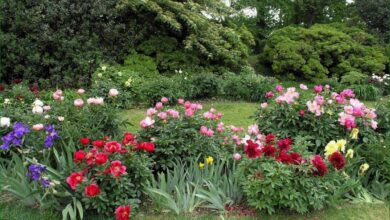
Potentilla nudicaulis
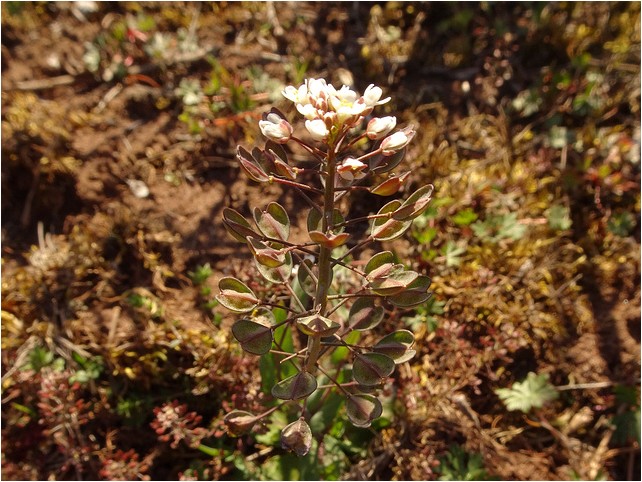
Potentilla nudicaulis is a member of the Rosaceae family. Its Latin name is Potentilla nudicaulis Willd. ex Schlecht.
The Latin name of the Potentilla nudicaulis family is Rosaceae Juss.
Description of Potentilla nudicaulis
Potentilla nudicaulis is a perennial and often quite large plant, reaching a height of between ten and fifty centimeters. Its stems, the undersides of its leaflets, and the branches of its inflorescences are covered not only with long, simple hairs, but also with dense, short hairs, some of which are somewhat sinuous. The basal leaves of Potentilla nudicaulis are large, pinnately dissected, and long-petiolate, reaching a length of approximately three to fourteen centimeters. The upper leaves of this plant are decurrent and sessile. The flowers are approximately two centimeters in diameter and yellow in color.
Potentilla glabra blooms from June to July. In the wild, this plant is found in the following regions of Eastern Siberia: the Lena-Kolyma, Dauria, and Angara-Sayan districts. It prefers grassy slopes and mixed forests.
Description of the medicinal properties of Potentilla glabra
Potentilla glabra has valuable medicinal properties, and its rhizomes are recommended for medicinal purposes.
These valuable and highly effective properties of this plant can be attributed to the flavonoids it contains: isorhamnetin, kaempferol, and quercetin glycosides. The aboveground portion of this plant contains a relatively high content of ellagic acid, as well as flavonoids such as kaempferol glycosides, quercetin, and isorhamnetin.

It is noteworthy that Potentilla glabra has antibacterial properties. In Tibetan medicine, a decoction made from the rhizomes of Potentilla glabra is widely used. This decoction is used due to the plant”s antibacterial properties.
For numerous ailments, including gastritis, diarrhea, and gastric ulcers, a highly effective remedy based on cinquefoil is recommended. To prepare this remedy, take twelve grams of crushed rhizomes per three hundred milliliters of water. The resulting mixture should be boiled for seven to eight minutes, then left to steep for one hour. Afterward, it is recommended to thoroughly strain the cinquefoil-based mixture and then top it up with boiled water to bring the original volume back up. Take one-third of a glass of this cinquefoil-based remedy three to four times daily before meals. This remedy can also be used topically as a poultice for various cuts and wounds. It should be noted that to achieve maximum effectiveness when taking this remedy, it is important to strictly adhere to all the preparation guidelines, as well as to carefully follow all the instructions for taking this remedy based on Potentilla napoleonata.