Asparagus (asparagus)
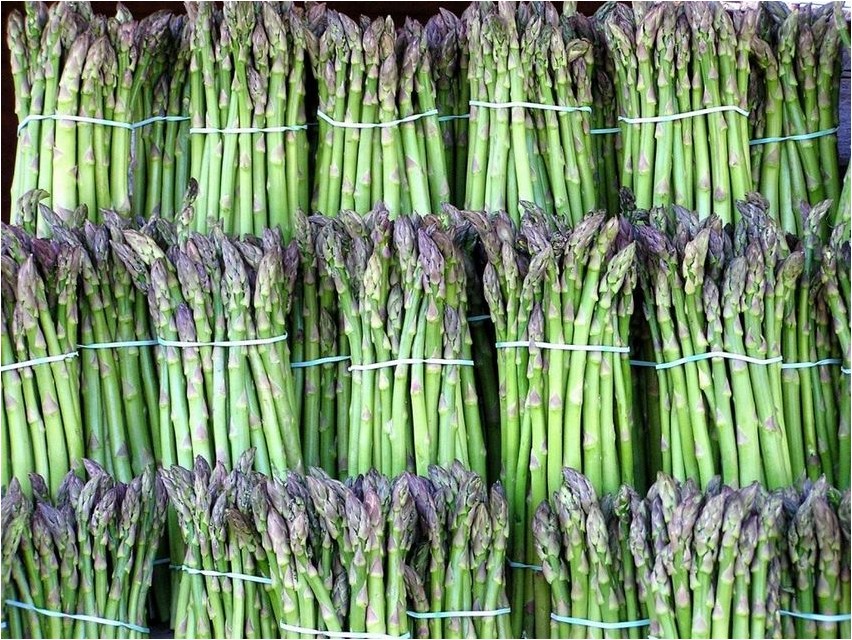
Asparagus belongs to the lily family, and in total the genus Asparagus includes more than 300 different species. However, now more and more often this plant is classified as a separate family of asparagus.
Asparagus is a perennial plant, some varieties of which lack green leaves. In growth and development, asparagus obey a separate rhythm. At the very initial stage of cultivation, all the organs of the future plant appear in the underground bud, then the next stage begins when the length of the shoot increases, but new organs have not yet appeared. You should not trim the shoots, otherwise the plant will simply stop growing. It is strongly recommended to take this feature into account when growing such a plant.
Medicinal asparagus has become more widespread and used. Under natural conditions, it grows in Europe, the Mediterranean countries, the Caucasus, Western Siberia and the Balkans. The cultivation of this culture occurs in India, Japan, Egypt, the USA and Algeria.
Asparagus itself is a fairly unpretentious plant to care for and grow; its propagation is also very easy. The openwork branches of the plant are very often used in flower arrangements, giving them a very special sound. Most often, such plants are placed in hanging pots.
A plant like asparagus has very dense and fleshy roots. The stems are covered with leaves, which will be needle-shaped in shape. These shiny green leaves can reach up to three centimeters in length. The flowers are quite small, painted in delicate white and pink tones, the flowers have a surprisingly delicate and pleasant aroma. The asparagus fruit looks like bright red berries.
The flowering period of this plant occurs in the first months of summer: June and July.

Plant care
Asparagus needs a lighted place, which, however, does not receive direct sunlight. You can grow the plant on southern, western and eastern windows. In summer, it is recommended to move pots with plants into fresh air, while maintaining partial shade. In summer, the optimal temperature for asparagus is fifteen degrees, and in winter – about seven degrees, but not lower.
As for the soil, the best option for this is a mixture of turf and leaf soil, with the addition of humus, sand and peat. All these components should be taken in equal proportions. In spring and summer, the plant needs regular watering, which will be quite abundant. However, water should not stagnate in the pan. Let’s allow watering from the tray itself. In winter, watering should be reduced somewhat, but under no circumstances should the soil be allowed to dry out. In February, new shoots of the plant will appear, and then watering should be increased again. In addition, in spring and summer, asparagus should be fertilized every week with mineral fertilizers intended for indoor plants. During other periods of time, feeding will not be required.
As for replanting, young plants need it every year, and then replanting once every few years will be sufficient. Pruning can significantly help reduce the size of the root system.
Reproduction occurs through seeds. In spring they should be sown in the ground, to which coarse sand should also be added. In this case, it is necessary to maintain humidity and temperature conditions: approximately twenty degrees. In addition, propagation by dividing the rhizome is also permissible.
The plant may become ill with certain diseases or be attacked by pests. To combat, spray with insecticides. However, this should be done with caution, otherwise such spraying can have an extremely negative effect on the plant.