Dolichothele

In the wild, the Dolichothele cactus grows in the foothills, under the shade of taller, more vigorous plants. The most common are Dolichothele boumii, Dolichothele macropapillaris, and Dolichothele recurve. They differ in appearance, but the growing conditions are the same for all. Growing the cactus requires little effort, but getting it to bloom is more difficult. Like many plants in the cactus genus, Dolichothele does not respond well to winter temperatures above 14 degrees Celsius. However, it is more demanding of its soil mixture; you can use a soil mix for deciduous plants, adding a small amount of sand and charcoal.
It is advisable to water the Dolichothele once a week in the evening with soft, warm water; misting is then not necessary. Avoid overwatering or allowing large amounts of water to accumulate in the soil, as this can lead to root rot. Proper drainage is essential, typically using broken brick or expanded clay. Place the plant near a south-facing window; this plant loves light, but avoid direct sunlight dolicholete photo
Cacti are fed with phosphorus fertilizers. If lime is added, only do so in conjunction with fertilizers that have acidifying properties. Dolicholete responds very well to feeding with special concentrated fertilizers for cacti. In winter, the cactus requires rest, so it is not fed and watered half as often as in summer. Dolicholete baumii has spherical stems and tubercles up to 1 cm long. It blooms in May or April, propagating by lateral shoots or tubercles. Unlike it, Dicholete recurves has conical tubercles up to 2 cm high, rather than rounded, and blooms later, beginning in May. The flowers are fragrant, white or yellow 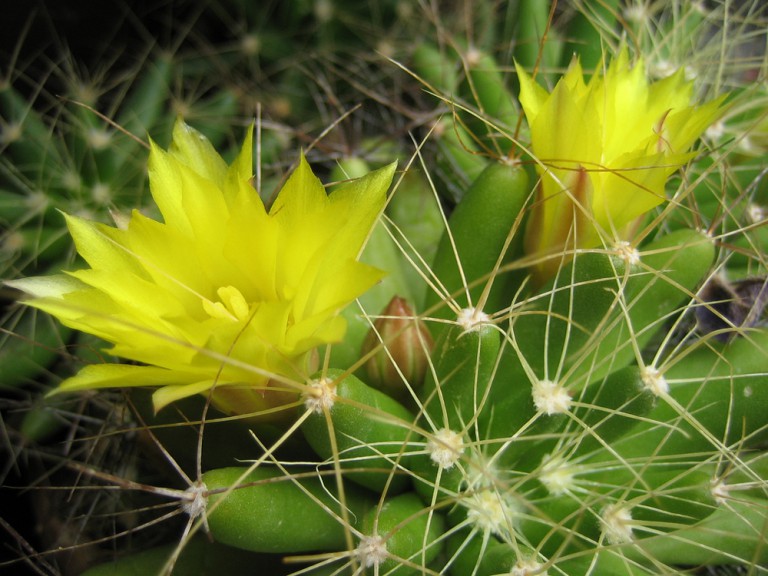 dolichothele photo[/caption]
Dolihotel photo 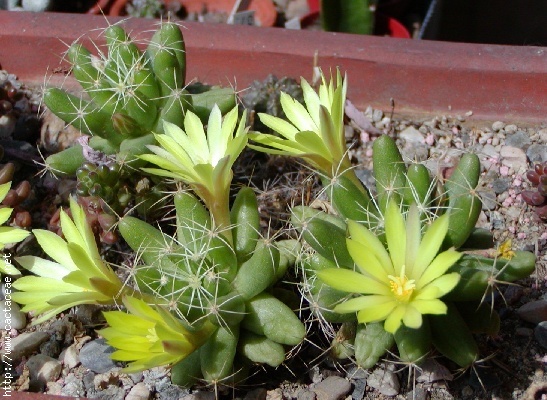 dolichothele photo[/caption]