Zephyranthes

Zephyranthes is also sometimes called the upstart, and also the marshmallow lily.
Description
Zephyranthes is particularly easy to grow; this flower is perfectly capable of growing in very cool rooms, and it continues to bloom even during a fairly long drought.
This genus belongs to the family called Amaryllis, in this genus there are about seventy species. This plant is found naturally in South and Central America. Zephyranthes is called an upstart because the bud opens very quickly after the peduncle appears. It is noteworthy that sometimes this plant is also called marshmallow lily.
Zephyranthes is a perennial herbaceous plant. the plant has ovoid-shaped bulbs, it will be small, endowed with a short or elongated neck, the diameter of the bulb will be about two to three centimeters. The leaves of the plant are dark green in color, they can be either linear or belt-shaped. The bulbs of the plant will throw out flower stalks, and buds will form on these flower stalks. Zephyranthes flowers are crocus-shaped, they can be either white, yellow, reddish, bicolor or pink. It is noteworthy that one flower will bloom for about seven days. However, if you want the flowering to last longer, you will need to plant several bulbs per pot. In this case, the bush itself will be much thicker, and the number of flower stalks will increase many times over.
In indoor conditions, the plant can bloom at any time of the year. In order for the plant to bloom, it is recommended to arrange a short period of drought, after which the plant should be watered, and then flower arrows will appear on the zephyranthes.

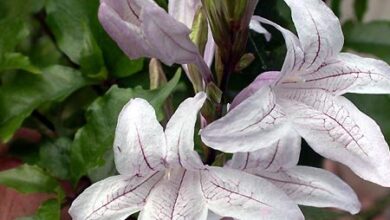
In culture, these plants are classified according to the color of the flowers. Zephyranthes atamascus and Zephyranthes alba are considered snow-white species. The first plant will bloom for a month, starting in March and ending in April. The flowers of the plant are very attractive and lily-shaped. As for snow-white zephyranthes, its flowering lasts from July to October. The flowers of this plant are crocus-shaped.
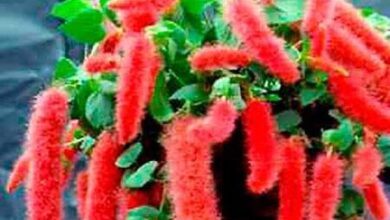
Red-flowered species include Zephyranthes keeled or grandiflora. This plant blooms in April. The plant will bloom with reddish-pink flowers. The plant should be provided with a period of rest, starting from September and ending in November. At this time, it is recommended to place the plant in the refrigerator, and in February the plant should be returned to its usual place and watering should be continued again.
This type of plant, zephyranthes rosea, is endowed with pinkish flowers, which will be very small in shape. Zephyranthes aureus has yellow-flowered flowers; it blooms from January to February, and the flowers themselves can reach up to eight centimeters in diameter.
Care and cultivation of zephyranthes
Eastern and western windows are considered the most favorable for growing this plant. In summer, it is recommended to take the plant out onto the balcony or plant it in the garden in open ground. During the dormant period, the plant must be provided with a temperature in the range between eighteen and twenty-five degrees.
During active growth, the plant should be watered abundantly and regularly, while the top layer of soil should have time to dry. However, under no circumstances should water stagnate. It is recommended to use soft water for irrigation. During the dormant period, for some species of zephyranthes, watering should be reduced only partially, while for other species, watering is completely contraindicated. If in the summer there is very dry air in the room where the plant is located, you will need to spray the zephyranthes from time to time.