Pentas lanceolate
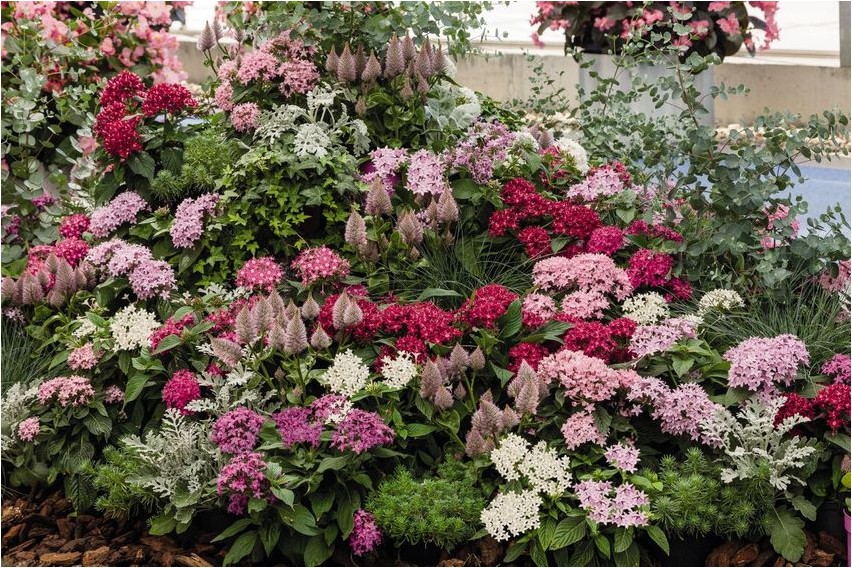
Pentas lanceolata is also known as Pentas lanceolata, as well as Pentas oblongata. In Latin, the name of this plant is as follows:
Pentas lanceolata. Pentas lanceolata is one of the plants of the family called Rubiaceae, in Latin the name of this family will be: Rubiaceae.
Description of Pentas lanceolata
For the favorable development of this plant, it is recommended to select a sunny light regime, and watering should be maintained abundantly throughout the entire summer period. At the same time, air humidity should remain average. The life form of Pentas lanceolata is an evergreen shrub. This plant can quite often be found indoors, where it is recommended to place the pot on all sunny windows, with the only exception being northern windows. In addition, lanceolate pentas is often grown in a variety of general purpose premises, as well as in greenhouses and cool winter gardens.
As for the maximum size in culture, the height of this plant can reach about one and a half to two meters. There are some cultivated forms of Pentas lanceolata that are endowed with much shorter stature and also will not stretch out much.
Description of the features of care and cultivation of pentas lanceolata
In order for this plant to develop favorably, it is recommended to replant regularly. Young plants require such a transplant every year, but older specimens need to be replanted once every few years. In this case, pots of standard proportions should be used for replanting.
As for the composition of the soil mixture, you will need to mix two parts of leaf and turf soil, as well as one part of sand. The acidity of such soil can be either neutral or slightly acidic.

It is also important to remember that in low light conditions this plant will stretch very much and may also lose its stability. For the favorable development of this plant, it is recommended to use a fertile substrate, but do not forget that this plant is very resistant to high salt content in the soil. Pentas lanceolata requires abundant watering, however, water should not stagnate in the pan.
The leaves of this plant may turn yellow when the soil becomes dry and there is a lack of nitrogen and iron. In some cases, this plant can be damaged by aphids and spider mites.
Throughout the entire period of rest of the pentas lanceolate, the optimal temperature regime should be maintained between ten and fifteen degrees Celsius. In this case, watering the plant should be provided in a moderate mode, and the degree of air humidity should remain standard. The dormant period begins in October and lasts until February. When a plant grows indoors, this period of dormancy is forced. The occurrence of such a dormant period is associated with both insufficient illumination and low air humidity in the room.
Reproduction of Pentas lanceolata can occur both through seeds and by rooting cuttings. Cuttings should be rooted at a soil temperature of approximately twenty to twenty-five degrees Celsius, and air humidity should be very high.
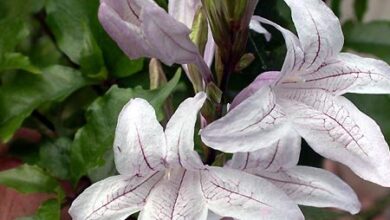
The flowers of this plant have decorative properties. The leaves are green in color and oval in shape. This plant blooms in summer and autumn.