Saffron Pepper
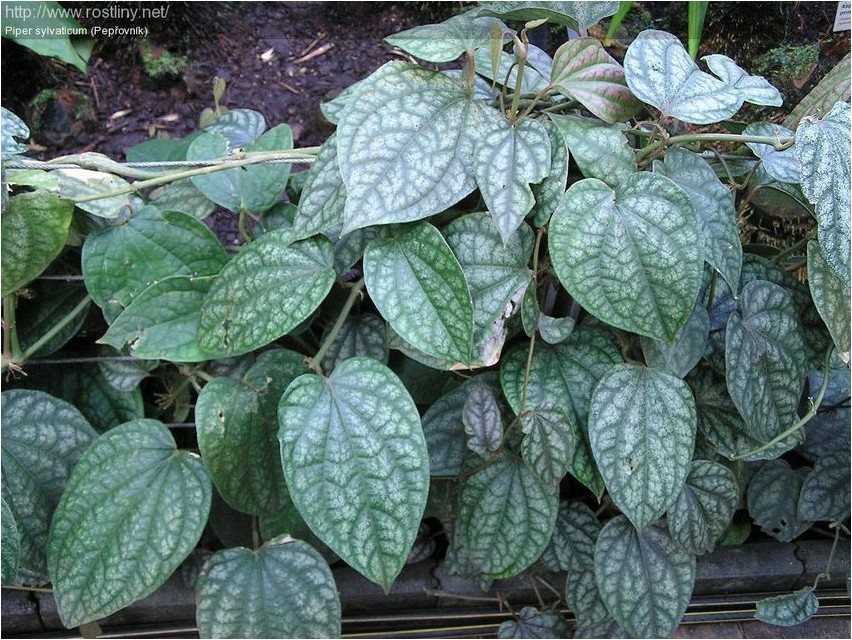
Saffron pepper is also known as the decorated pepper; its Latin name is Piper ornatum.
Saffron pepper is a member of the pepper family, Piperaceae.
Description of Saffron Pepper
For successful growth, this plant requires full sun or partial shade. Watering should be moderate throughout the summer. However, humidity should also remain moderate. This plant grows as an evergreen vine. It is often found indoors, but also in various common areas, such as hallways and offices. Saffron pepper is grown as a hanging plant. It is also often found in greenhouses and conservatories. As for maximum growth, the saffron pepper plant will typically reach between two and four meters.
Description of Care and Growing Saffron Pepper
Young saffron pepper plants are recommended to be repotted annually, while older plants will need to be repotted every few years. Pots should be of standard proportions. As for the soil mixture itself, a mixture of one part loam and sand, and two parts leaf mold, is recommended. The soil pH should be either neutral or slightly acidic.
This plant can react negatively to both excessive soil heating and dryness. External signs of these conditions include wilting and drying of the leaves. Frequent spraying of the leaves with water at room temperature (approximately 20-22 degrees Celsius) is very beneficial for this plant. This water should also have a low lime content. In some cases, saffron pepper can be affected by spider mites.
Throughout the dormant period, it is recommended to maintain an optimal temperature between 16 and 20 degrees Celsius. Watering should remain moderate, and humidity should also be maintained at a moderate level. It should be noted that this dormant period will be forced if the plant is grown indoors. This dormant period begins in October and lasts until February. This period is caused by insufficient humidity and reduced light levels.

Saffron pepper can be propagated by rooting cuttings at temperatures between 18 and 25 degrees Celsius. Additionally, the plant should be provided with a mini-greenhouse, misted frequently, and shaded.
Saffron pepper can also be propagated by rooting cuttings, and very rarely, by seed. Specific requirements for this plant include the need for support and space for the drooping shoots. This plant is recommended for indoor cultivation; balconies and terraces are not suitable for growing saffron pepper. The plant will be very sensitive to overheating of its root system, so adequate shade should be provided for the pot. For favorable growth, it is important to maintain air humidity at least 60%.
Saffron Pepper
Saffron Pepper