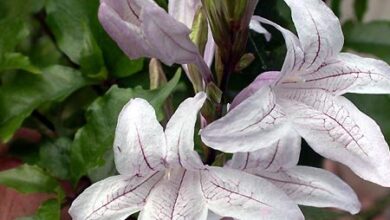
Pogonaterum millet

Pogonatherum millet is also known as indoor bamboo; in Latin the name of this plant will be as follows: Pogonatherum paniceum.
Description of Pogonatherum millet
In order for this plant to develop favorably, it is recommended to provide a sunny light regime for growing. However, the penumbra mode remains quite acceptable. Throughout the entire summer period, this plant requires abundant watering, and the degree of air humidity should be kept at an average level. The life form of millet pogonaterum is a herbaceous plant.
This plant very often grows in various winter gardens, as well as in greenhouses. As for growing indoors, millet pogonaterum is recommended to be grown as a potted crop.
In this case, the maximum size of this plant in diameter will be about one meter, while the height of millet pogonaterum will be equal to fifty centimeters.
Description of the features of care and cultivation of millet pogonaterum
For favorable development, this plant requires regular replanting. It is noteworthy that young specimens need to be replanted every year, while older plants need to be replanted once every few years. For replanting, experts recommend giving preference to wide, but not particularly tall, pots. As for the composition of the soil mixture itself, it is recommended to mix one part of sand and turf soil, and also add three parts of leaf soil. The acidity of such soil should be slightly acidic.
The appearance of brown spots on the leaves of this plant may be due to the fact that quite severe damage to the roots occurred during replanting of the plant. It should also be remembered that under direct exposure to sunlight, leaves can fade quite significantly. In some cases, millet pogonaterum can be damaged by spider mites.

Throughout the rest period, you should ensure an optimal temperature that does not fall below fifteen degrees Celsius. As for the watering itself, it should remain moderate, and air humidity is recommended to be maintained at a standard level. When the plant grows indoors, such a dormant period will be forced, and its occurrence should be associated with insufficient air humidity and rather low lighting. The dormant period of Pogonaterum millet in this case will begin in October and last until February.
Propagation of this plant can take place by dividing the turf during transplantation, but in this case you should be very careful to ensure that in no case does major damage to the roots occur. In addition, propagation of millet pogonaterum can also occur through cuttings: for this, the soil temperature should not be below twenty-five degrees Celsius, and the degree of air humidity should be quite high.
As for the specific requirements of this crop, it should be noted that both overdrying of the soil and stagnation of water in the pot can have an extremely negative impact on the development of the plant. In addition, we should not forget that this plant will grow quite quickly, and for this reason it will need a lot of free space. The leaves of Pogonaterum millet are endowed with decorative properties. The leaves are lanceolate and colored in delicate green tones; these leaves are located on bushy, straw-like stems; in fact, the plant itself is very reminiscent of miniature bamboo thickets.