Crassula moss
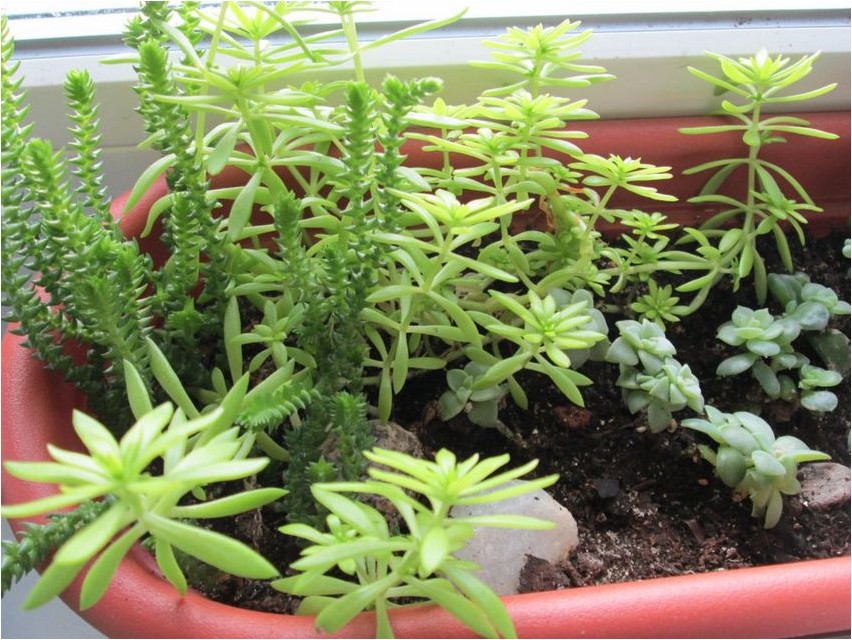
Crassula mossy is also known by the following names: Crassula mossy and Crassula muscosa. As for the Latin name of this plant, it will sound like this: Crassula lycopodioides or Crassula muscosa.
This plant belongs to the plant family called Crassulaceae, in Latin the name of this plant will be: Crassulaceae.
Description of growing features
The plant will need to be provided with a sunny light regime, but partial shade is also acceptable for the favorable growth of this plant. In the summer, the Crassula lycophytes will need to be provided with moderate watering, and air humidity should also be kept at an average level. The life form of this plant is a leaf succulent.
It is recommended to grow Crassula moss in numerous compositions, which will consist of succulents. In addition, the plant is also quite often found in winter gardens, greenhouses, and also in general purpose premises. Many even novice gardeners grow Crassula lycophytes indoors, choosing the brightest windows.
As for the maximum size of this plant in cultivation, the height of the lycophyte can reach fifteen to twenty centimeters. The plant will need to be replanted every few years, and wide and shallow pots should be chosen. The most preferable composition of the soil mixture will be: one part of turf soil and sand, as well as three parts of leaf soil. However, it is quite acceptable to use special soil designed for growing cacti. As for the acidity of the soil, it can be either neutral or slightly acidic.
It is important to note that the lycophyte will react extremely negatively to waterlogging of the soil. However, this plant will almost never be affected by various diseases or be attacked by numerous pests.

Throughout the rest period, you will need to ensure the following temperature regime: from ten to eighteen degrees Celsius. It is important to remember that at this time watering should be done extremely rarely, and the air humidity will need to be average. In indoor conditions, the dormant period of this plant will be forced and will last from October to February. This forced period of rest is explained by low air humidity and low light levels.
Reproduction of the Crassula lycophytes occurs by rooting cuttings in wet sand. Such procedures are recommended to be carried out both in spring and summer. It should be remembered that for optimal development of this plant, a bright and sunny location is important. In addition, the presence of good drainage in the pot, as well as moderate watering, is also important for the Crassula lycophytes.
The leaves of this plant are endowed with decorative properties. On the shoots of the Crassula lycophyte there will be rather small leaves; they fold together like tiles. The leaves of the plant are arranged in four rows, dressed in a triangular-ovate shape. The leaves of the Crassula lycophyte are dark green in color, and these leaves are also pressed to the stem. The shoots of the plant will be tetrahedral; they are very reminiscent of peculiar braids, painted in red and green tones.
It is worth noting that most often, for growing at home, flower growers choose a more decorative type of this plant, which is known under the name Crassula pseudomosula. This circumstance is explained by the fact that this species is characterized by more active branching, and the plant is also distinguished by its increased unpretentiousness in terms of care and cultivation.