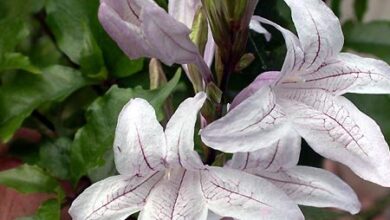
Ficus carica
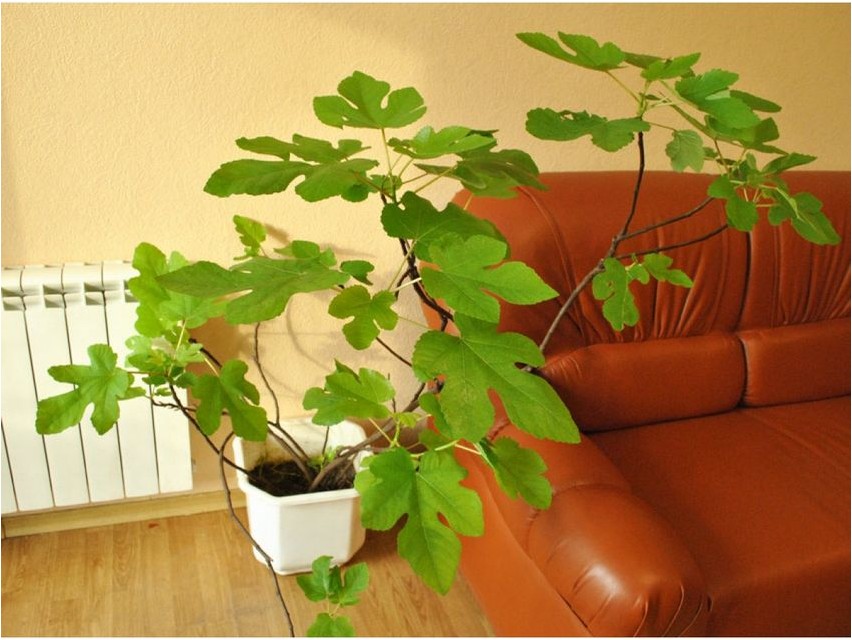
Ficus carica is part of the mulberry family. In Latin, the name of the plant is as follows: Ficus carica.
Description of ficus carica
This plant is sometimes also known under the following names: fig, fig tree, fig, fig tree and wineberry. This plant prefers sunny growing conditions. As for air humidity, an average degree of humidity is required. It is noteworthy that this plant is a medicinal plant and is also edible. This plant is a deciduous tree.
Ficus carica is not a poisonous plant, but all parts of the plant are capable of secreting a so-called milky sap, which can cause skin irritation. If you are in the sun, then such juice can lead to very dangerous photodermatitis. This juice is secreted by all parts of the plant, with the exception of its already ripe fruits.
Care and cultivation of ficus carica
It is recommended to grow such a plant in winter gardens, indoors, and as for home conditions, the plant should be grown as a bonsai. It is noteworthy that this plant can live for about ten to fifteen years at home. In cultivation, this plant can reach about two meters in height.

As for replanting, young plants need this procedure every year, but adult plants should be replanted only once every few years. Pots should be standard, but sometimes specialized pots for bonsai are chosen.
As for the composition of the soil mixture, you will need to take two parts of turf soil and two parts of leaf soil, as well as one part of sand. In addition, the soil should be slightly acidic and neutral in reaction.
Ficus carica may begin to actively shed its leaves, which is associated not only with the biological characteristics of this plant, but also with low air humidity. Among other things, ficus carica can also be damaged by scale insects, as well as spider mites. The plant will require pruning, cuttings and pinching. Pruning will be required for young plants, which is performed in order to increase its branching; for adult plants, such a procedure will be required in order to restrain their growth. Pruning should be performed at a time when the ficus carica is in a dormant period; pruning should be done before the buds swell, while the plant is not yet endowed with leaves.
Ficus carica is a very light-loving plant, but for a short time it can also tolerate partial shade. The plant needs fairly abundant watering, but under no circumstances should moisture stagnate.
Ficus carica is not particularly demanding when it comes to fertilizing; it is recommended to start it in the spring and until the end of the dormant period. For feeding, you will need half the dose of mineral fertilizers, which will also contain microelements. During the dormant period, the ficus carica will require a very low degree of illumination; sometimes the plant can even be stored in the basement until the leaves of the plant appear. At this time, the optimal growing temperature should be about six to twelve degrees Celsius. Watering should be moderate, as should the air humidity.
The resting period of ficus cariki should last from October to February.
Reproduction of the plant occurs through layering, seeds and rooting of cuttings in the spring or summer.
The plant needs a cool winter, and the plant itself should be shaped by pruning. Not only the leaves of ficus carica, but also the fruits of this plant are distinguished by their decorative properties.