Mabolo
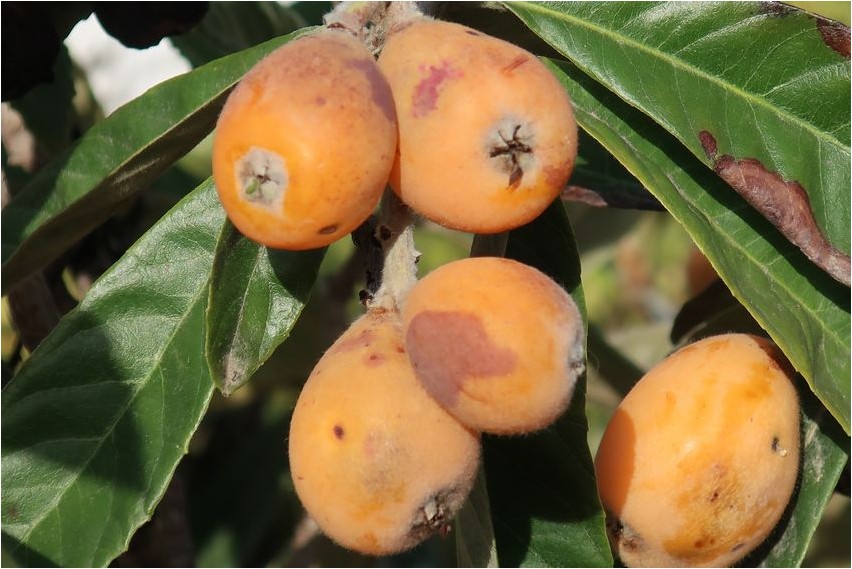
Mabolo (lat. Diospyros discolor) is a pretty fruit tree belonging to the Ebony family. Mabolo is also called multi-colored persimmon.
Description
Mabolo is a slow-growing and very beautiful evergreen tree, the height of which ranges from eighteen to thirty-three meters. The diameter of strong mabolo trunks sometimes reaches eighty centimeters, in addition, each tree is endowed with furrowed bark of a rich black color.
The dark green, oblong, leathery leaves of mabolo are always glossy and very smooth on top. Their width averages from five to nine centimeters, and their length ranges from 15 to 22. 8 centimeters. And young leaves are most often painted in light green or pinkish tones.
The fragrant tubular flowers of this culture are painted in white or cream tones and are securely attached to rather short pedicels.
The flattened or oval mabolo fruits, reaching a width of five to ten centimeters, are endowed with a velvety skin of bright purple-red, rich orange, juicy yellow, strict brownish or exquisite pinkish hue. And near the base, each fruit is securely covered with a rather rigid cup. On trees, mabolo fruits often grow in pairs. It is noteworthy that the skin of whole fruits exudes a terribly unpleasant and quite strong cheese-like odor. And the mealy and very strong whitish pulp of mabolo, although quite moist, is not juicy. But it has a sweet and soft apple-banana aroma. The brownish wedge-shaped seeds of the fruit are covered with durable membranes of whitish shades and reach two and a half centimeters in width and four in length. Each fruit contains four to eight seeds, all concentrated around a central core. And sometimes you may encounter seedless fruits.
Mabolo is the Filipino name for the fruit, given for its “hairy” appearance (the fruits are all covered in tiny hairs). This exquisite crop is also called “Blanco persimmon” — it received this name in honor of the monk and botanist Blanco, who was born in Spain. This man was one of the first to write a manuscript about the beautiful nature of the Philippines.

Where does it grow
Mabolo is native to the Philippines. Now this crop is grown in distant Malaysia, sunny Indonesia, as well as in the Antilles (in particular, Trinidad, Puerto Rico and Jamaica and Cuba).
Currently endangered, the mabolo fruit is protected by Philippine law. Exporting mabolo outside the country requires a permit from the Department of Environment and Natural Resources and the Bureau of Forestry.
Uses
The edible fruits of the juicy mabolo are fried in oil, simmered in syrup, and added to fruit salads. The skin of this fruit should be removed before consumption, as its surface is covered with tiny hairs that can severely irritate the sensitive mucous membranes of the mouth and extremely sensitive skin.
In folk medicine, a decoction is made from the bark and leaves of the mabolo fruit, which is used as a pain reliever. This decoction is also an excellent cough remedy.
The juice of unripe mabolo fruits helps relieve diarrhea, which is why it is widely used in Southeast Asia. In Bangladesh, mabolo is recommended for anyone suffering from eye and cardiovascular diseases. The caloric value of mabolo is approximately 67 kcal per 100 grams of this attractive fruit.
The dark, dense, and exceptionally hard mabolo wood has long been used to make a wide variety of products. Incidentally, due to its exceptional strength, mabolo is often called “ironwood.” And the extremely rare black ebony variety is used to make wooden weapons and furniture.
Mabolo mabolo





