Fuel control and modern GPS fuel consumption monitoring systems
Modern fuel monitoring systems must function effectively in every vehicle fleet. Today there are GPS systems for monitoring fuel consumption, so how can you make the right choice? Take a closer look at the article. Let’s look at the article in more detail.
Contents of the article:
fuel consumption control is one of the most important performance indicators of modern transport enterprises. Fuel control problems are usually solved in companies using satellite GPS monitoring. Since not all drivers are honest about excessive consumption of gasoline, reducing fuel costs during transportation will have the best impact on the overall income of the enterprise and its competitiveness. Without any means of control, transport companies prefer to save on employee salaries and justify themselves by the fact that drivers still provide distorted information about fuel consumption, and get drained and resold.
If previously savings on equipment for monitoring fuel consumption were associated with the high price of GPS devices, today the situation looks different. At the same time, the price of gasoline, diesel fuel or other fuels and lubricants constitutes a fairly significant part of the cost of freight transportation. Using modern, reliable and acceptable devices car fuel control you can track fuel consumption. This allows drivers to save money, improves the ethical environment in the team, makes honest work methods attractive and allows management to increase wages. By increasing employee responsibility and reducing vehicle refueling costs, companies gain tangible advantages over competitors.
The most common fuel consumption monitoring systems
Previously, clunky technologies such as fuel sensors working with turbines were used for this purpose, but today the market offers modern, reliable equipment that gives accurate results and is easy to install.
Standard fuel consumption
This is the simplest monitoring method, as it relies on calculations that take into account such factors as vehicle mileage, engine running time on the ground and at idle, and the terrain it passes through. This method is among the simplest, as it requires no special equipment, except for a GPS terminal connected to the ignition sensor. The device can track the motorcycle and the distance traveled, and standard fuel consumption is calculated based on the coefficients listed in the “Methodological Guidelines” of the Ministry of Sport.
This type of fuel consumption monitoring is very simple and accessible, as it uses the most basic GPS trackers. It requires installing a fuel level sensor connected to the onboard computer or modifying the vehicle’s fuel system.
The only drawback of this method is that it cannot fully account for the vehicle’s technical characteristics and operating conditions. It is well known that overloads, traffic jams, and engine malfunctions affect gasoline and diesel fuel consumption. On the other hand, many companies offer bonuses to drivers who consume less fuel than the standard, even if there is no significant benefit from such savings.

Considering all the advantages and disadvantages of such vehicle monitoring, it is recommended to use it in the following cases:
- When fuel consumption monitoring is not a pressing issue—for example, when company employees receive a fixed payment based on mileage, number of trips, or working hours;
- When it is impossible to install a GPS tracker on a vehicle or there is no way to connect it to a fuel tank adapter or fuel level sensor;
- When actual fuel consumption, rather than standard fuel consumption, is of interest.
Controlling the cost of sensors
It is one of the most common methods. In practice, a conventional fuel level sensor is a kind of float with a lever connected to a variable resistor or rheostat. The movement of the lever changes the position of the rheostat, which in turn changes the resistance of the electrical circuit. By measuring the voltage, it is possible to determine the position of the float and, consequently, the fuel level in the vehicle. This type of fuel control has been equally widely used since the 1940s. Currently, numerous trucks and cars are equipped with them. Standard sensors mainly have the advantage that they can be connected to a GPS terminal like regular analog sensors.
This technology has its drawbacks. To connect it, intervention in the electrical circuit of the car is required. In addition, sensor readings may fluctuate greatly due to shaking while driving. As a result, fuel consumption data can be confused with the real picture.
Additional capacitive sensors for monitoring fuel consumption
Although this method is the most convenient and reliable, since it does not depend on the vehicle’s on-board systems, additional sensors must be installed on each vehicle tank. In essence, such a sensor is a measuring level, a long tube with an electronic unit and a mount. Such devices are installed on the top of the tank during transport, with the measuring tube immersed in the fuel.
Such fuel monitoring devices can be digital or analogue, so they can be connected to different ports of GPS trackers. The capacitive sensor is characterized by high accuracy and does not change when cutting the meter to the depth of the tank. It is very reliable, does not vibrate and has no moving parts.
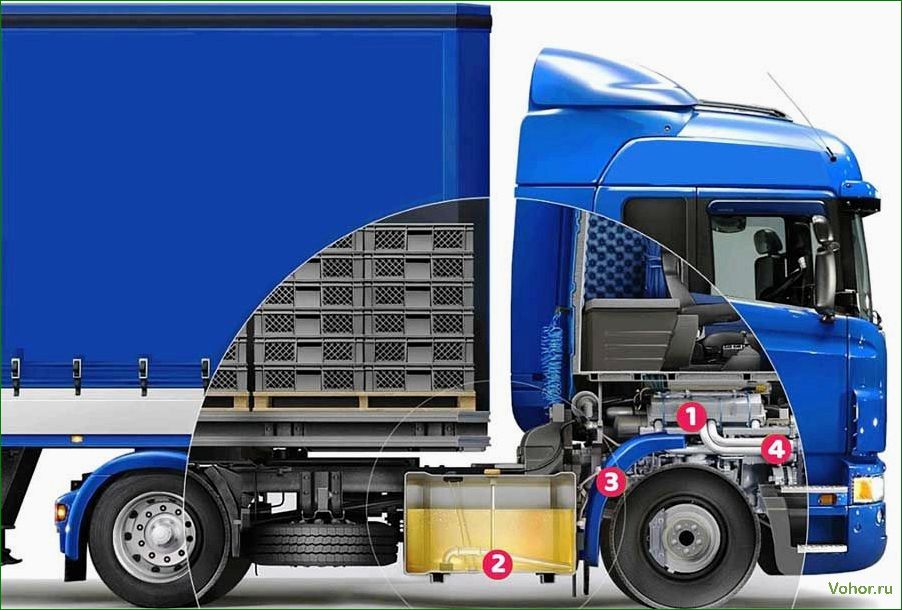
The GPS control system collects data from sensors, converts it and sends it to the server. Based on changes in fuel level, including all refueling or draining actions, this is the actual consumption that is obtained. Based on these data, we can safely conclude that consumption is maintained or exceeded.
Capacitive sensors are also installed on fuel tankers, milk tankers, fuel tankers and other vehicles transporting bulk or bulk cargo. The only drawback of such sensors is the so-called high installation complexity. Even though they can only be installed by experienced professionals, the benefits of using them are obvious.
If it is very important for a company to monitor the fuel level on a vehicle or the liquid level in a tank, then this is the best option for you.
Fuel control using on-board computer
Today this method is considered the most progressive and the best alternative to installing capacitive sensors. Using the on-board computer (CAN-NINE), you can obtain significantly more information about the operation of all vehicle systems, including information about the fuel level in the tank. The tracker here is connected through a special device A CAN adapter, which reads the data, transmits it to the GPS tracker, and then to the server. This method is very simple, accurate and does not require any changes to the car’s design. There is a wide range of such fuel consumption measuring devices on the market, designed for various types of transport, such as trucks, cars, tractors, construction equipment and agriculture. In addition to fuel level data, it provides information about engine operation, operation of all systems, hatches, doors, valve openings, temperature in the cargo compartment, etc.
Regardless of which type of GPS fuel is chosen, the main result of the decision is a tangible economic benefit, which consists of several factors.
- Integrity, continuity and accuracy of monitoring;
- An integrated approach to information analysis – taking into account parking, traffic congestion, mileage, speed and load;
- Ease of use;
- Unavailability of the system in relation to changes made by the driver;
- Durability, reliability and ease of maintenance;
- Access collected data at any time from any computer.
If you are looking for experienced specialists who can provide all the vehicles in your fleet with modern sensors, we are ready to provide you with professional assistance.


