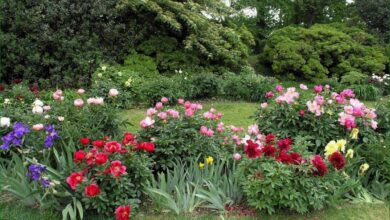
Soddy onion
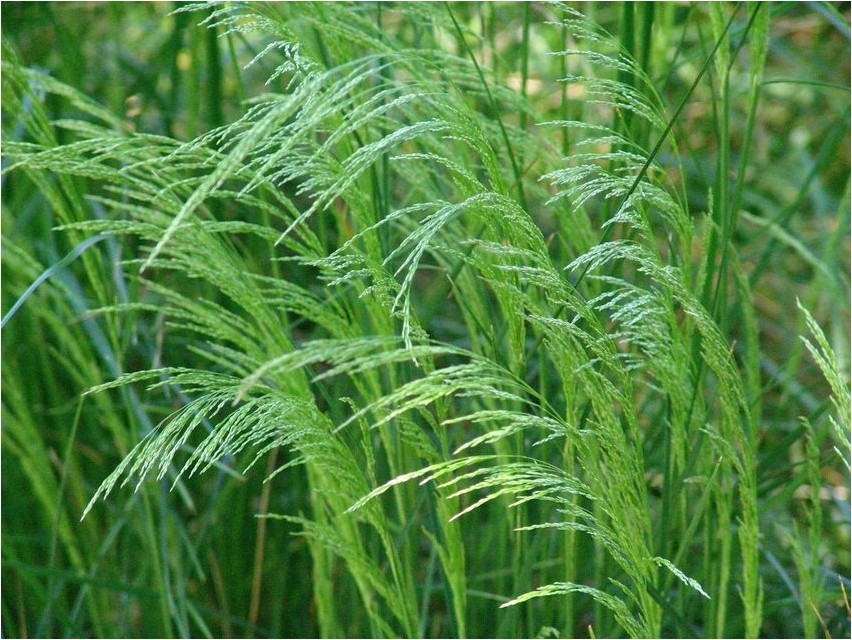
Soddy onion (lat. Allium caespitosum) is a representative of the Onion genus of the Onion family. It comes from Kazakhstan and is also found in its natural form on the territory of the Russian Federation. Typical habitats are sands.
Characteristics of culture
Soddy onion is a perennial herbaceous plant with an indistinct bulb. The bulbs are covered with light or gray-brown filmy shells with slight splitting. The stem is rounded, up to 20 cm high. The leaves are grooved, semi-cylindrical, usually smooth, in the amount of 4-6 pieces.
The flowers are drooping, pinkish, collected in hemispherical loose umbrella inflorescences. The perianth is whitish or light pink, broadly bell-shaped. Tepals are obtuse, broadly elliptical or ovate. The threads of the stamens at the base are fused with the perianth and with each other. The fruit is a capsule.
Subtleties of cultivation
A site for growing crops is selected that is sunny and protected from cold northern winds. Southern slopes are optimal. Soils are preferred to be light, structured, cleared of sleepy vegetation, and rich in minerals. The best predecessors of sod onions are cucumbers, potatoes, cabbage and legumes. It is not recommended to plant the crop after representatives of the Onion family.
Seeds are sown in spring or autumn. The soil is well moistened before sowing. After digging the soil, rotted compost or manure, as well as mineral fertilizers, are added. Strongly acidic soils are limed to a pH of 5. 5. Before sowing, seeds are soaked in water, unripe seeds rise to the surface. After soaking, the seeds are dried and sown. The seedling method is not prohibited.
Soddy onions are sown using a strip or narrow-row method; wide-row ones are often used. At the initial stage, it is necessary to monitor the condition of the seedlings; they need regular watering, weeding and loosening. The second procedure is the most important. Crops are thinned out when they are very dense.

Fertilizing for the crop plays an important role; it is recommended to carry out three fertilizings per season. The first in early spring, the second in the budding phase, the third in late summer. For fertilizing, you can use mineral and organic fertilizers. Adding micronutrients is also beneficial.
Note
There is negligible information on this representative of the Onion genus, which is probably why growing soddy onions is difficult. In Kazakhstan, the plant is included in the Red Book.