Carludovica palmata
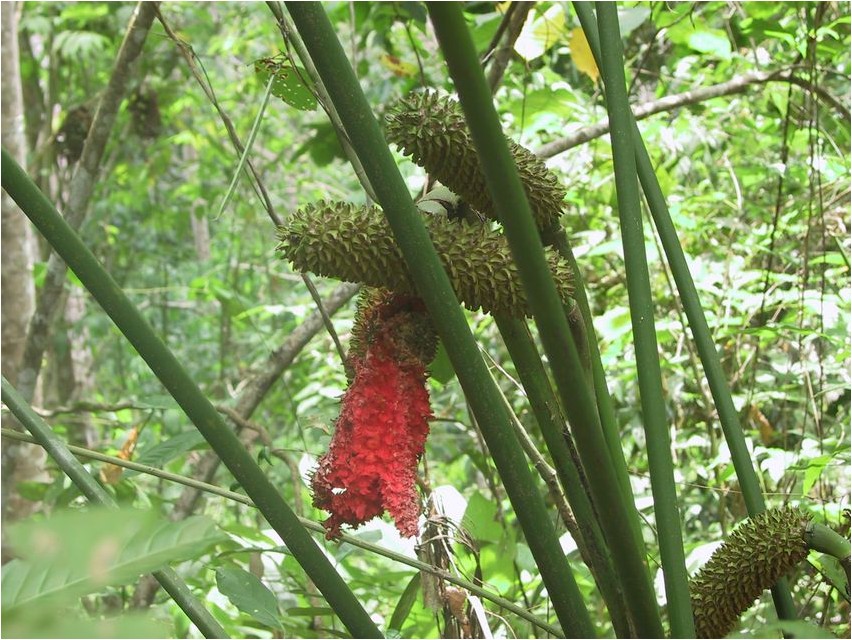
Carludovica palmata is also known by the following names: Panama palm, Panama palm, JPJ palm, Carludovica, Carludovica lapata, and Carludovica palmata.
The Latin name for this plant is Carludovica palmata. Carludovica palmata belongs to the Cyclanthaceae family, which is also known as Cyclanthaceae.
Description of Growing Instructions
As for light requirements, the plant should be kept in either partial shade or full shade. In summer, the plant requires ample watering, and high humidity is essential. Carludovica palmata grows as an evergreen shrub. It is worth noting that this plant is poisonous, and its sap can cause skin irritation. This plant is recommended for growing not only in apartments and offices, but also in public spaces, winter gardens, and heated greenhouses.
In cultivation, Carludovica palmata can reach a height of up to two meters. Generally, the height of this plant will fluctuate between twenty centimeters and two meters. However, if you grow this plant either in a winter garden or a heated greenhouse, the rosette of leaves can reach a height of over three and a half meters.
It is important to remember that this plant has a fairly robust root system, and the plant itself grows quite quickly. For this reason, you will need to select tall, but not too wide, pots. When repotting, it is important to weight the substrate and significantly increase the proportion of either turf or reduce the amount of sand. When repotting, it is important to preserve the root ball. Young plants are recommended to be repotted once a year or two, while mature plants will require this procedure every three years. If the top layer of substrate is renewed annually by approximately ten to fifteen centimeters, repotting the palmate Carludovica is only necessary once every five to six years.
For growing the plant, the following soil mixture is recommended: one part turf soil, one part pechok soil, and two parts leaf mold. However, regular palm soil is also acceptable. The soil pH can be neutral or slightly acidic.

It’s important to remember that Carludovica palmata leaves may turn yellow if exposed to direct sunlight. These changes can also occur with temperature fluctuations, either warmer or colder. Excessive soil moisture, as well as watering with cold or hard water, can cause root rot, and the leaves may begin to turn black at the edges and even die. It’s worth noting that the plant is often susceptible to damage from spider mites, mealybugs, and even thrips.
During the entire dormant period, maintain a temperature of approximately sixteen to eighteen degrees Celsius. Water the plant moderately, and maintain moderate humidity. If you grow this plant indoors, the dormant period will be forced, lasting from October to February. This dormant period occurs due to low humidity and low light levels. Indoor propagation of Carludovica palmata occurs vegetatively, using root suckers. This method of propagation is easier. However, on a commercial scale, it is recommended to propagate by seed.
Indoor palms: Howea, Cycas, Washingtonia, Ficus