Diagnosis and treatment of cancer in Germany
Oncology ranks second in mortality after cardiovascular diseases. The World Health Organization predicts a statistical stage in the coming decades, which does not exclude the leading position of oncology.
Contents of the article:
the development of malignant neoplasms is observed in almost all biological structures of organs, blood, lymph and skin. In the first stages, the disease is mostly asymptomatic, so the disease cannot be detected immediately. On average, 5% of people with cancer deliberately refuse treatment because they do not believe in the capabilities of modern medicine. And completely in vain. Innovative methods oncology treatment in Germany prove that it is possible and necessary to fight the disease! According to reviews from patients who have undergone treatment in German oncology centers, the opportunity for a complete recovery is there and should not be missed.
Causes of cancer
Among the common causes that cause cancer are:
- Genetic predisposition;
- Abuse of bad habits;
- Unbalanced diet (including the predominance of spicy and fatty foods);
- Ecology (harmful production, polluted environment);
- Biological factors (for example, oncoviruses, papillomas, herpetic infections).
Factors that increase the risk of tumor diseases (especially in the digestive system):
- People suffering from severe and chronic diseases (diabetes, pancreatitis);
- Sedentary lifestyle (low physical activity);
- Constant stress;
- Low immunity;
- Hormonal dysfunction, etc.
At risk are almost every eighth woman after 40 years of age (due to breast cancer) and middle-aged men (prostate cancer).
Specialists studying the nature of oncology adhere to the fact that there is no single cause of tumor formation, but, as a rule, the disease develops due to a combination of factors. Therefore, conducting an annual (or every six months, depending on the circumstances) routine diagnostics, a simple analysis, as a result of which a specialized oncologist determines the patient’s health status.
Why choose Germany for oncology treatment?
Patients from many countries come to German clinics, including from Russia and the CIS, for diagnosis and subsequent treatment of oncology. For some, it is important to confirm the “verdict” made by the national doctor (often the diagnosis is not confirmed); for others, they purposefully go to a first-class German specialist for a comprehensive examination of symptoms, bypassing the national ONCO center.

The German healthcare system is considered one of the most highly organized in the world. Funds are being actively invested in the training of healthcare professionals. After completing an internship, most specialists remain employed and gain access to cutting-edge achievements in the industry.
The German Institute of Oncology is considered one of the most progressive regions of Western European medicine. Highly specialized doctors have modern resources at their disposal for the scientific study of cancer and the search for effective methods to combat this disease.
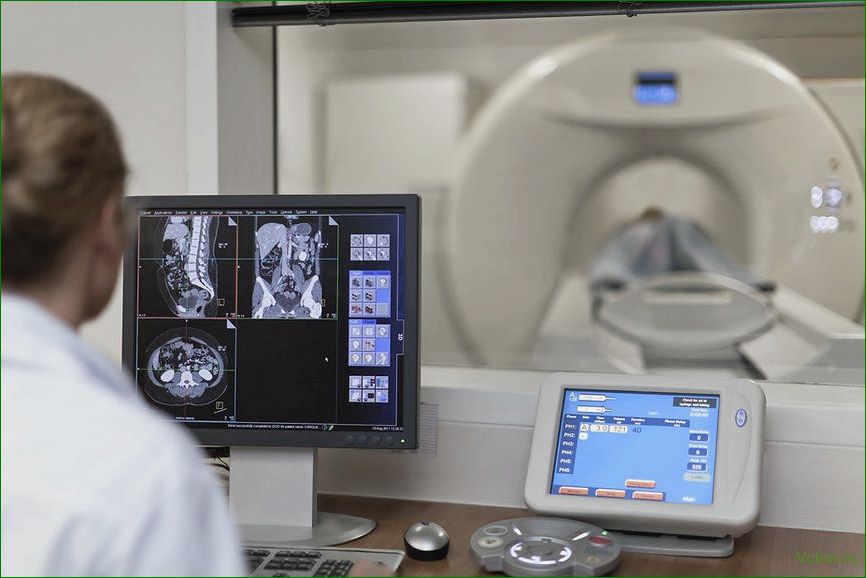
The clinics and associated centers are equipped with first-class diagnostic equipment that can literally detect cancer at the first “step” of its development.
Germany is on the list of countries where the recovery rate after timely diagnosis of cancer reaches 90% (while the overall global figure is 50%). Public administration – at all stages of cancer implementation. Patients are provided with a timely and correct approach to individual choice of therapy. Comfortable hospital conditions accelerate the rehabilitation effect.
Prices for cancer treatment in Germany – even for the most complex and expensive types of therapy – are significantly lower than in other clinics around the world.
Cancer examination and treatment at the cancer center
The full range of consultations, diagnosis and treatment of cancer in Germany is carried out at the University Hospital of Freiburg, one of the best in Western Europe.
Treatment is based on the implementation of the latest proven developments from the field of global oncology. Using the most modern equipment, it is possible to accurately identify and classify tumors: their nature, size, stage of development, etc. Thus, the correct diagnostic syndrome is successfully restored, so patients are examined comprehensively, using clinical examination, liquid biopsy, tumor markers, KT-PET and MND.
The clinics practice a multimodal method of cancer treatment, minimally invasive surgical methods are maintained, thanks to which the tumor can be removed without the risk of complications, and the rehabilitation period is short.
The staff of the Department of Oncology, Hematology and Bone Marrow Transplantation includes more than 90 highly specialized doctors and researchers. Every year more than 10, 000 patients come here for diagnosis and treatment of various types of cancer.


