The art and craftsmanship of artistic forging – from history to modern techniques for creating unique forged products
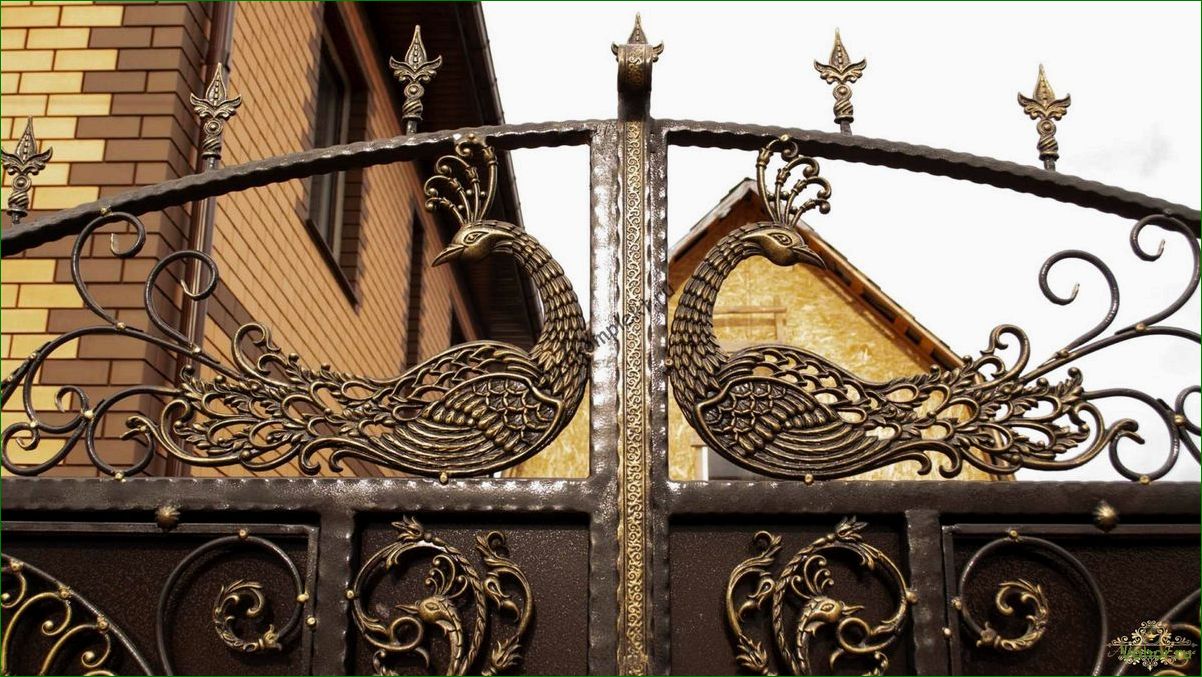
In a world dominated by the uniformity of mass production, there is something special about products created using ancient methods. There is something magical about how an ordinary piece of metal, through fire and skill, is transformed into a unique work of art. This section is dedicated to art that combines ancient traditions and modern technologies, creating unique and attractive products.
Contents of the article:
metalworking is an art that involves not only the transformation of a material, but also the embodiment of an idea. Using a hammer, anvil and fire, craftsmen transform cold, lifeless metal into elegant objects that can decorate a home or garden, become an integral part of architecture, or even become a unique piece of jewelry.
In this section, you will get acquainted with the magic of metalworking, learn about the history of this art, the techniques and tools that craftsmen use, as well as how these products can be applied in modern interior design and learn what artistic forging

Creative metalworking craftsmanship: from past to present
The history of creative metalworking goes back to ancient times. Back in the Iron Age, people mastered metal processing techniques, creating not only weapons and tools, but also unique objects of art. The masters of the past poured their heart and soul into their craft, leaving us with beautiful examples of creative metalworking that we can see in museums around the world.
Modern craftsmanship in creative metalworking continues to evolve, drawing inspiration from the past while incorporating modern technologies and materials. Modern artisans continue to create unique and beautiful objects using techniques that have been honed over centuries, while at the same time experimenting with new ideas and materials.

Traditions and methods of making works of blacksmith masters
Blacksmithing methods are a whole science that requires from the master not only physical strength, but also knowledge in the field of metallurgy, drawing, and art history. Basic techniques include forging, stamping, brazing, welding, sharpening and polishing. Each technique requires the master to have special skills and understanding of the material with which he works.
The traditions of blacksmithing include not only technical aspects, but also aesthetic ones. Craftsmen try to preserve the style and features of the work of previous generations, passing them on from hand to hand. Thus, in the works you can see echoes of the styles of different eras, from antiquity to the present day.

Thus, the art of blacksmithing is a unique combination of technical skills and creative inspiration that allows you to create unique and inimitable forged elements

Features of using products from workshop forged metal in design
Products created through masterful forged metal play an important role in modern interior and exterior design. This section will help you understand the features of their use, advantages and ways of integration into various design styles.

Benefits of using forged metal products in design
Individuality is one of the main advantages. With the ability to create unique shapes and designs, handcrafted wrought iron products help add character to a space.

Forged metal products also have high strength and durability. They are able to withstand significant loads and retain their original appearance for a long time.
Integrating forged metal products into various design styles

The use of craftsmanship forged metal in design is not limited to certain styles. These products can become a bright accent in both classic and modern interiors or exteriors.
In classic style, forged metal products are often used to create a luxurious and elegant look. They can be a wonderful addition to a fireplace, stair railing or gate.
In contemporary design, wrought iron can serve to create contrast with sleek and minimalist surfaces, adding texture and interest to a space.

The process of creating artificial forged products: from sketch to finished product
Stages of creating forged products
- Creating a SketchThe initial stage, which includes the development of the design of the future product. This can be either a simple drawing on paper or a 3D computer model. At this stage, it is important to take into account all the client’s wishes and the features of the future product.
- Preparation of materialsAfter approval of the sketch, preparation of materials for work begins. Usually steel or iron is used, which are carefully processed.
- Working with metalAt this stage, the master begins to shape the product. The metal is heated to high temperatures and then shaped into the desired shape using a hammer and anvil.
- Painting and protective coatingAfter the product has received the desired shape, it is coated with an anti-corrosion compound and painted in the chosen color. A protective coating is then applied to extend the life of the product.
- Final check and installationThe last stage is checking the finished product for compliance with the sketch and installing it on site. If everything is done efficiently and correctly, then the product is ready for use.
Thus, the creation of forged products is a labor-intensive and responsible process that requires professionalism and skill. But the result is worth the effort – forged products decorate any room and give them a unique style.


