Norichnik Oldham
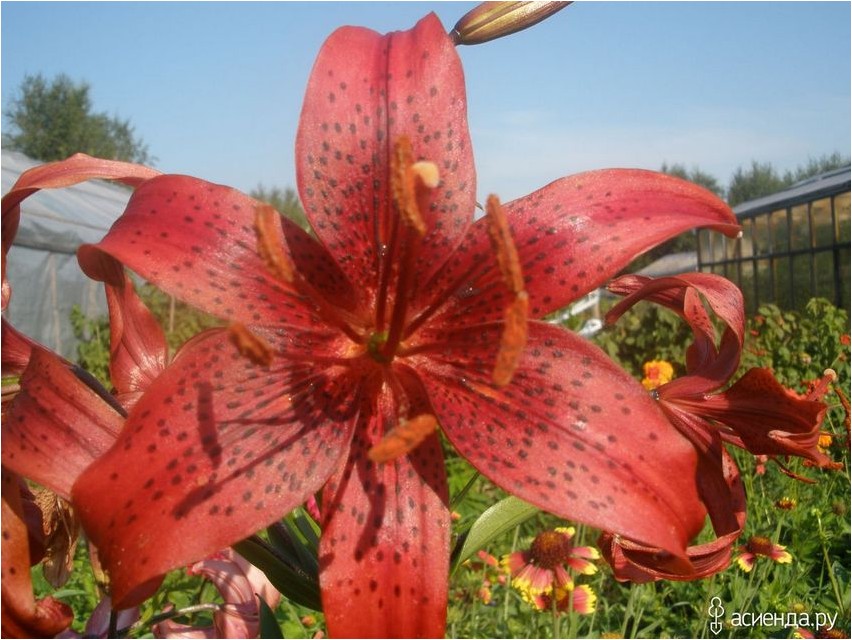
Oldham’s scrofula is one of the plants in the family called scrophularia oldhomii Oliv.
As for the name of the family of Oldham’s nocturnus itself, in Latin it will be like this: Scrophulariaceae Juss.
Description of the Oldham Noirman
Oldham’s burberry is a perennial herbaceous plant whose height can reach eighty centimeters. The stem of this plant is simple and straight, bare and tetrahedral. The leaves of Oldham will be ovate-lanceolate and sharp, generally they can be either rounded or almost wedge-shaped, and along the edge they will be finely sharp-edged. Such leaves will be located in semi-umbrellas. The fruit of this plant is a smooth, pointed and elliptical capsule. The seeds of Oldham are elliptical in shape.
Oldham’s burberry blooms in June. Under natural conditions, this plant is found in the territory of Primorye and Amur region in the Far East. For growth, Oldham grasshopper prefers damp valley meadows and water meadows.
Description of the medicinal properties of Oldham
Oldham’s grass is endowed with very valuable healing properties, and it is recommended to use the leaves, roots and rhizomes of this plant for medicinal purposes.
The presence of such valuable healing properties is recommended to be explained by the content of saponins and the alkaloid herpestine and scrofularine in this plant. The roots and rhizomes of Oldham’s grass contain saponins, essential oil, sitosterol, alkaloids, and phenolcarboxylic p-methoxyric acid. It is noteworthy that the experiment proved that this plant has the ability to provide hemolytic and local irritant effects.

A decoction prepared from the roots and rhizomes of this plant, both internally and externally, is recommended for use as a general tonic, anti-inflammatory, diuretic, antipyretic, tonic and cardiotonic agent. And also such drugs are used for sore throat, pulmonary tuberculosis, scarlet fever, diphtheria, diabetes mellitus, pharyngitis, tonsillitis, laryngitis, nephritis, gingivitis, stomatitis, purulent infections, tumors, leukemia and sclerotitis. For long-term scrofulosis, it is recommended to use crushed roots and rhizomes of Oldham’s scrofula.
A decoction prepared from the roots and rhizomes of this plant has the ability to quench thirst and sharpen vision, and will also enhance spermatogenesis.
As part of complex recipes, the roots and rhizomes of Oldham’s herb are recommended to be used for dizziness, encephalitis, headaches, neurasthenia, nervous diseases and various cardiovascular diseases. In the clinic, as part of the collection, positive results were obtained in the treatment of acute pharyngitis, acute tonsillitis and diphtheria.
The experiment proved that extracts of the roots and rhizomes of this plant, depending on their dose, will have an inhibitory or cardiotonic effect, and will also be endowed with a pressor and hypotensive effect, will dilate the blood vessels of the brain and increase the amplitude of breathing. The infusion, as well as an alcohol tincture and a hydroalcoholic infusion based on this plant, have a hypotensive effect, while an alcohol extract and the sodium salt of methoxycinnamic acid will have an antipyretic and anti-inflammatory effect. In the form of lotions, traditional medicine recommends using fresh crushed leaves of this plant for scrofula.