Perseus americana
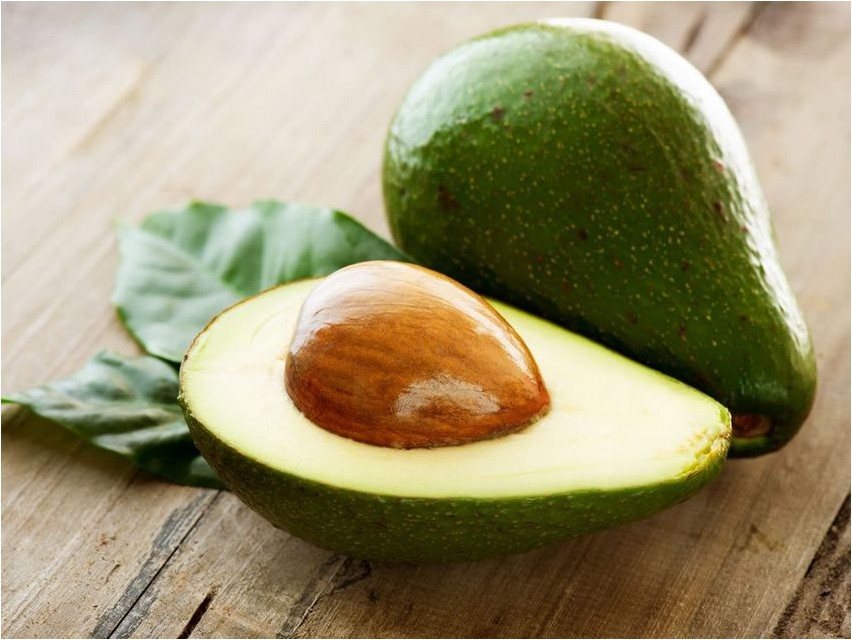
Persea americana is also known as the most pleasant avocado; in Latin the name of this plant will be as follows: Persea americana.
Persea americana is one of the plants of the family called Laurels, in Latin the name of this family will be: Lauraceae.
Description of American Persea
For the favorable development of this plant, it will be necessary to provide a sunny light regime or a partial shade regime. Throughout the summer, it is important to maintain abundant watering, while air humidity should remain average. The life form of Persea americana is an evergreen tree.
This plant is recommended to be grown indoors, namely on bright windows, with the only exception being northern windows. Also, this plant can often be found in winter gardens, as well as in fairly spacious general purpose premises. As for the maximum size in cultivation, in indoor conditions the height of American Persea can be two meters, and when grown in a greenhouse this mark can reach five meters.
Description of the features of care and cultivation of American Persea
It should be noted that young plants should be replanted every year, while adult specimens of American Persea will need such a replantation only once every few years. For replanting, pots of standard proportions should be used. As for the composition of the soil mixture itself, you need to mix one part of sand, as well as two parts of leaf and turf soil. The acidity of such soil can be not only slightly acidic, but also neutral.
It should be noted that this plant will be quite difficult to shape. For this reason, in indoor conditions, during the growth of the American Perseus, it can rest against the ceiling. When air humidity remains very low, leaf fall may occur. In some cases, this plant will be damaged by spider mites and scale insects.

Throughout the entire dormant period, it is important for the plant to provide a temperature regime between ten and twenty-two degrees Celsius. As for watering and the degree of air humidity, they should be kept at a moderate level. If this plant is grown indoors, such a dormant period will be forced and will last from October to February. Actually, the reason for the occurrence of this dormant period lies in the insufficient degree of illumination, as well as in a very low degree of air humidity.
Propagation of American Persea can occur by planting seeds: in fact, the fruits of this plant can often be found on sale. When planting, it is recommended to leave the upper end of such a seed above the soil surface. It should be noted that it is quite acceptable to germinate seeds in water: in this case, the lower part of the seed should slightly touch the water.
The specific requirements of this culture include the need to pinch the young trunk of this plant, which will actively stimulate the further growth of the lateral branches of American Persea.
The leaves of this plant are endowed with decorative properties. The leaves are green on top and bluish underneath. These leaves are oblong-elliptical in shape. The length of the leaves of American Persea can reach twenty-five centimeters, but their width will be about fifteen centimeters. It is noteworthy that if grown indoors, this plant is unlikely to flower.