Pilea parvifolia
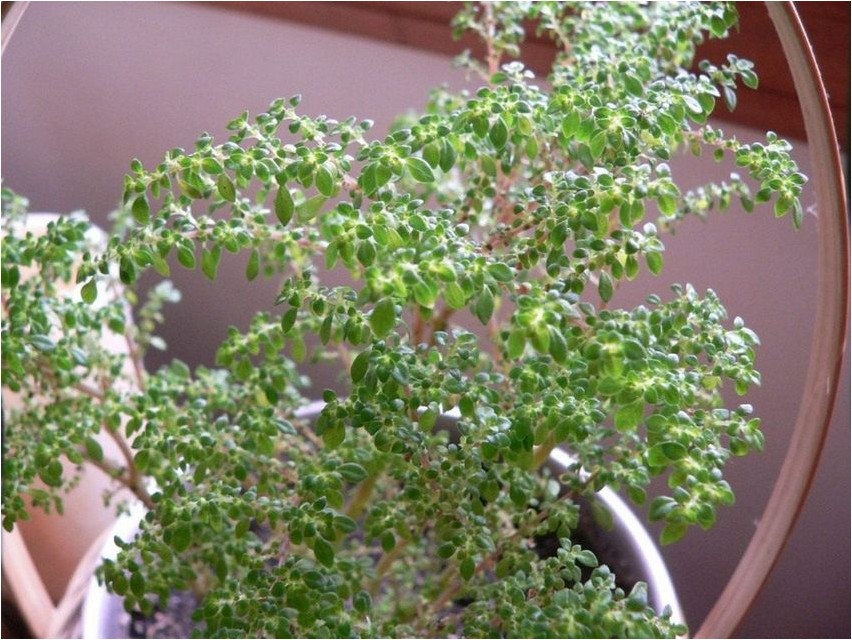
Pilea parvifolia is also known as Pilea mossy. In Latin, the name of this plant will be as follows: Pilea microphylla.
Pilea parvifolia is one of the plants of the family called nettles, in Latin the name is Urticaceae.
Description of Pilea minorifolia
In order for this plant to develop favorably, it is recommended to provide it with either a sunny light regime or a partial shade regime. In summer, the plant needs abundant watering, while the air humidity should remain quite high. The life form of Pilea parvifolia is a herbaceous plant.
Pilea small-leaved can be found in winter gardens, as well as in florariums and in the so-called display windows. In indoor conditions, this plant is recommended to be placed on windows of both eastern and western orientation. As for the maximum size in culture, the height of this bushing plant will reach about fifteen centimeters.
Description of the features of care and cultivation of small-leaved Pilea
For favorable cultivation of this plant, it is recommended to perform regular replanting; such replanting should be done either every year or every other year. For replanting, it is recommended to give preference to wide but shallow pots. As for the composition of the soil mixture itself, it is important to mix one part of sand and turf soil, and also add three parts of leaf soil. The acidity of Pilea smallifolia soil can be either neutral or slightly acidic.
Quite often this plant is damaged by mealybugs and spider mites. As a way to combat such unpleasant phenomena, it is recommended to carry out chemical treatment, as well as mechanical removal of the bug. When the soil becomes waterlogged or the plant is planted in heavy soil, small-leaved Pilea can be affected by gray rot. For treatment purposes, the affected leaves of this plant should be removed, and the plant itself and the soil should be treated with a fungicidal preparation.

When either waterlogging or hypothermia of the soil occurs, the plant may be affected by root rot. As soon as the first signs of this disease appear, the plant itself and the soil must also be treated with a fungicide.
Throughout the dormant period, it is important to maintain a temperature between 15 and 20 degrees Celsius. The plant will require moderate watering, and humidity should be maintained at a standard level. This dormant period begins in October and lasts until February. This period is forced when the plant is grown indoors. This dormant period is caused by insufficient humidity and low light.
Pilea microphylla is propagated by rooting cuttings and also by dividing the plant. Specific requirements for this plant include the urgent need for regular shade from direct sunlight.
Throughout the winter, the plant should be watered moderately and placed away from central heating radiators. It is also important to carefully ensure that the soil does not become too cold.
The leaves of Pilea microphylla are decorative. The leaves are small, approximately half a centimeter long. These leaves are opposite and petiolate. Their shape can range from broadly oval to rounded.


