Abelmoschus
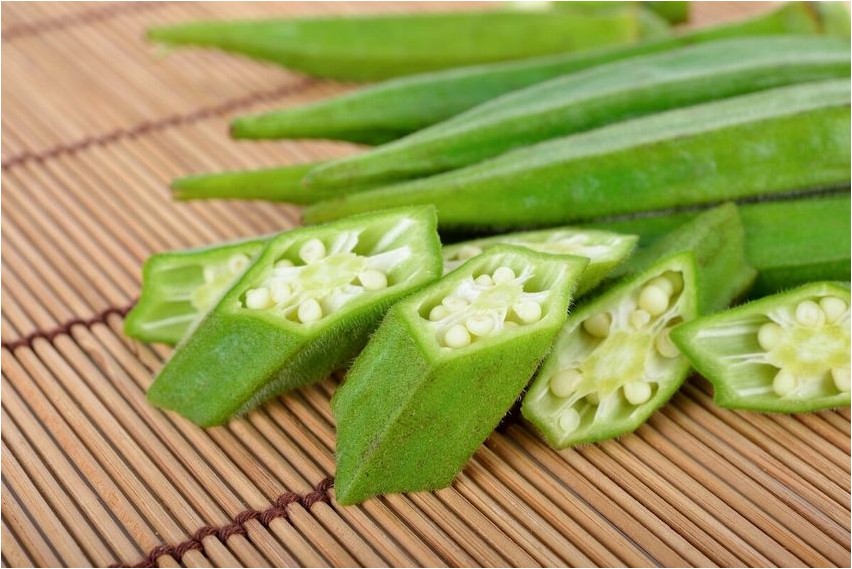
Abelmoschus (Latin: Abelmoschus) is a genus of herbaceous flowering plants in the family Malvaceae.
Botanists previously classified these plants in the genus Hibiscus (Latin: Hibiscus) of the same family, but later separated them into a separate genus because they differ in several ways from plants named “Hibiscus.” Some species of the genus produce edible fruits with medicinal properties.
What’s in a name
The plant owes its Latin name to the German botanist and physician Friedrich Kasimir Medicus (January 6, 1736 – July 15, 1808). The botanist used the name to describe the musky scent emitted by the seeds of one of the plant species in this genus, which he likely encountered before other species. Friedrich Casimir Medicus went down in history as a fierce opponent of Carl Linnaeus, taking every opportunity to criticize the plant classification system he created, attempting to counter it with his own, which also suffered from a number of inaccuracies.
However, today botanists use Carl Linnaeus’s system, periodically amending it. This, for example, happened to the genus under consideration, whose plants Carl Linnaeus initially placed in the genus Hibiscus. These plants were later separated into a separate genus.
Description
Plants of the genus Abelmoschus are tall herbaceous plants that can be perennial or annual. Their sturdy stems rise to heights of up to two meters.
The petiolate leaves are quite picturesque and grow from 10 (ten) to 40 (forty) centimeters in length. The lobed shape of the leaf blade transforms the leaves into natural works of art. The petals range from three to seven in number, and their shape varies widely, from ovate to lanceolate. The edges of the leaflets are decorated with graceful serrations.

The flowers, ranging from four (4) to eight (8) centimeters in diameter, have a funnel-shaped form, typical of plants in the Malvaceae family, with a corolla of five white or yellow petals. At the base of each petal, the color often fades to red or purple, visually deepening the flower’s funnel.
The plant’s fruit is a capsule, ranging in length from five (5) to twenty (20) centimeters in different species, containing numerous seeds. In some species, the fruits are not only edible but also help improve digestion.
Varieties
In the Abelmosh genus today, according to various sources, there are from 10 (ten) to 15 (fifteen) plant species. All species in the wild prefer the tropical regions of Asia, hot Africa and the northern part of distant Australia. Let’s list a few of them:
* Edible Abelmosch (lat. Abelmoschus esculentus)
* Shaggy Abelmosch (lat. Abelmoschus crinitus)
* Cassava Abelmosch (lat. Abelmoschus manihot)
* Musk Abelmosch (lat. Abelmoschus moschatus)
* Arrow-leaved Abelmosch (lat. Abelmoschus sagittifolius)
* Woody Abelmosch (lat. Abelmoschus ficulneus)
* Skinny Abelmosch (lat. Abelmoschus angulosus).
Usage
Different species of the genus endow their parts with specific qualities that are used by humans in different cases:
* The leaves and fruits of Abelmosh edible, which is widely known under such names as “Okra”, “Okra”, “Lady’s fingers”, “Gombo”, are classified as vegetables, and are eaten with appetite by people in different countries of the world for the benefit of the stomach and the whole body.
* The seeds of Abelmosh musk are used to produce essential oil used in the perfume industry.
* The use of Abelmosh cassava is very multifaceted:
** In the Fiji Islands, the leaves of the plant are a traditional green vegetable, extremely nutritious, high in vitamins A and C, iron and protein.
** In Japan, it is used to make a starchy substance to produce traditional Japanese paper known as washi.
** The plant is a raw material for making rope, which competes with jute ropes, but is somewhat inferior in quality.





