Arctotis
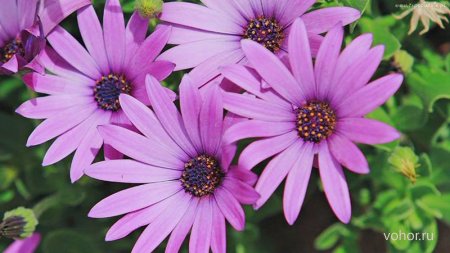
Arctotis, or bear”s ear, is an annual plant. It is prized for its picturesque blooms and distinctive foliage. It reaches a height of 20-60 cm. Flowers range from 5-8 cm in diameter and come in white, red, yellow, pink, lilac, and other colors. Flowering occurs from July to September. It is often used in bouquets.

arctotis Care and Cultivation
Arctotis prefers sunny areas with well-drained, loose, and calcareous soil. Drainage is essential, as the plant does not tolerate stagnant water well. Generally, Arctotis is undemanding in terms of soil type and can adapt to a variety of soils, except for heavy clay soils. The plant receives adequate and regular watering. On dry and hot days, water more, rather than allowing the soil to become waterlogged. It doesn”t require any additional feeding, much less fresh organic fertilizers. It”s possible to apply complex mineral fertilizers during active growth. To prolong flowering, remove faded flowers at the appropriate time. If the goal is to obtain seeds, do not remove all faded flower heads.

propagation
arctotis is propagated by seed. Seeds are sown in late March or early April, in separate containers, in moist, loose soil. A few people sow them in mixed containers and then transplant, but this doesn”t always allow Arctotis to take root well, as it dislikes having its roots disturbed. Seeds are germinated under glass. Seedlings are given reduced watering. Seedlings that have reached a height of 10 cm are pinched. This procedure will increase tillering. Seedlings are planted outdoors at the end of May, after the danger of frost has passed. Transplant along with the root ball. Seedlings are planted 20-25 cm apart.


partners
arctotis looks good in a flowerbed with verbena, phlox, nasturtium, and marigolds. It looks even more striking when paired with plants with bright green foliage. It is often grown as a border plant.
Diseases and Pests
Generally resistant to diseases and pests. Problems arise when the soil is extremely waterlogged.





