Rye
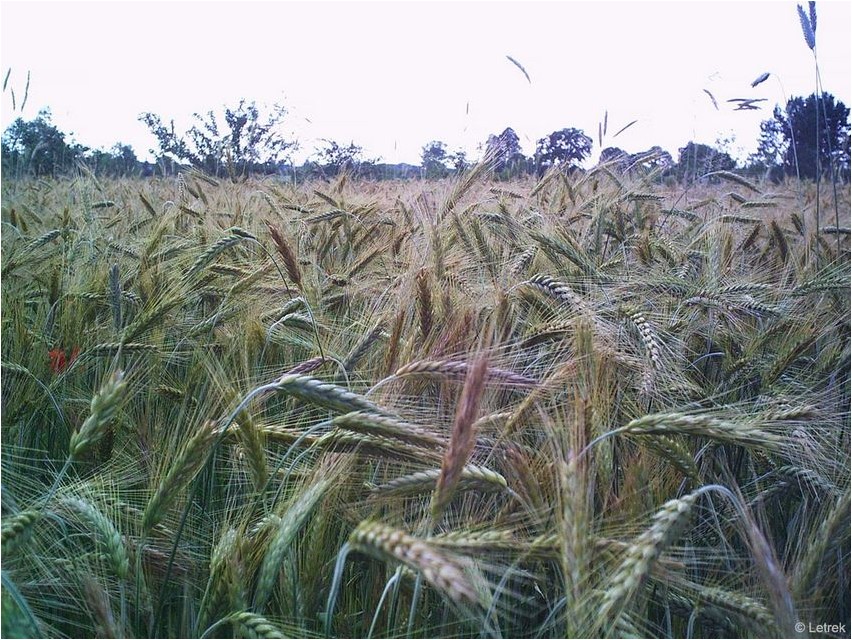
Rye is one of the plants of the family called Poagrass; in Latin the name of this plant will be as follows: Secale coreale L.
As for the name of the erysipelas family itself, in Latin it will be like this: Gramineae.
Description of rye
Rye is an annual herbaceous plant endowed with an inflorescence in the form of a two-row dense complex spike. The grains of this plant are somewhat elongated; they can be colored in either greenish or yellowish tones. This plant will be cultivated in Belarus, Russia and Ukraine.
Description of the medicinal properties of rye
Rye is endowed with very valuable healing properties, and it is recommended to use the ears, flowers, flour, grain and bran of this plant for medicinal purposes.
The presence of such valuable healing properties should be explained by the content of proteins, B vitamins, fiber, vitamin E, ash substances, carbohydrates and fats in the grain of this plant, which in turn will consist of stearic, palmitic and oleic acid. In addition, the grain contains nicotinic acid, enzymes, thiamine and the following minerals: zinc, calcium, copper, fluorine, phosphorus and manganese.
It is noteworthy that rye is widely used in medicine in various countries. Rye bread will have a slight laxative effect and for this reason such bread is recommended for those suffering from regular constipation. For diarrhea, you should drink a decoction prepared from rye bran: this medicine is also effective for chronic bronchitis.

Based on the ears and flowers of rye, various decoctions and infusions are prepared, which are used to treat various diseases of the respiratory system. To speed up the ripening of various abscesses, rye bread, which has been previously soaked in hot milk, should be applied to such abscesses. It should be noted that it has been proven that those people who regularly consume rye bread are less susceptible to various heart diseases, which must be associated with the fact that such bread will contain lipoic acid, which is not found in wheat.
For bronchitis, pneumonia and cough, it is recommended to use the following very effective remedy based on this plant: to prepare such a healing remedy, you will need to take three tablespoons of crushed flowering spikelets of rye sativum to about two full glasses of boiling water. The resulting medicinal mixture should first be left to infuse for about two hours, after which the mixture based on this plant should be filtered very carefully. Take the resulting rye-based medicine warm three to four times a day, one-third of a glass.
For bronchitis, cough and catarrh of the respiratory system, it is recommended to use the following very effective remedy based on this plant: to prepare such a healing remedy, you will need to take two tablespoons of grain or rye bran per two glasses of water. The resulting medicinal mixture should first be boiled over fairly low heat for about five to seven minutes, then left to infuse for one hour and strain very thoroughly. Take the resulting rye-based medicine four times a day: this medicine should be drunk in slow sips while hot. If used correctly, the positive effect will be noticeable quite quickly.





