Orange
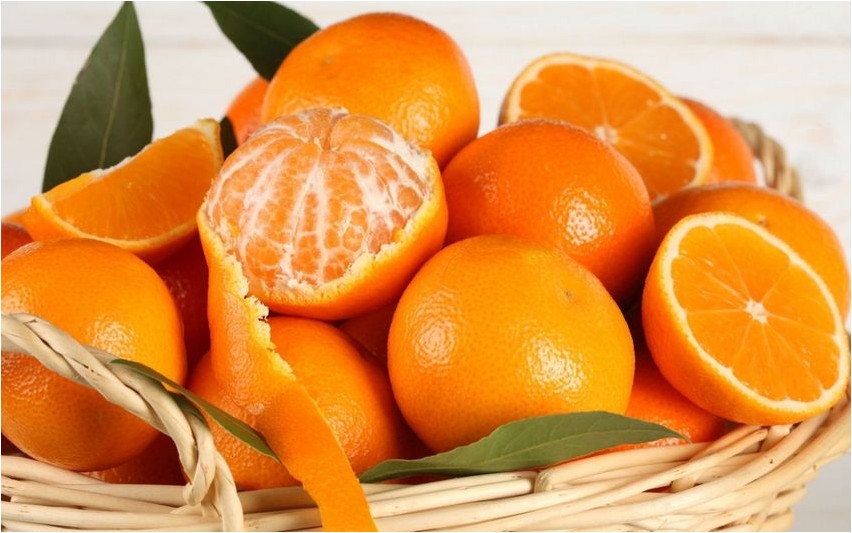
Orange (lat. Citrus sinensis) is a fruit tree of the Citrus genus of the Rutaceae family. The plant is native to Southern China.
Today, the orange is cultivated throughout the Mediterranean coast, as well as in South and Central America. In Russia it is grown mainly in greenhouses and indoor conditions.
Characteristics of culture
Orange is an evergreen tree up to 12 m high with a dense compact crown and shoots equipped with fairly large thorns. Oranges grown indoors reach a height of 2-2. 5 cm. The root system of plants is superficial; unlike other fruit crops, there are no root hairs on the roots, which makes nutrition difficult. Instead of hairs, oranges form peculiar caps with colonies of soil fungi at the ends of the roots. This community is called mycorrhiza.
The leaves of the crop are leathery, dark green with a shine, oval, pointed at the tips, jagged or wavy at the edges. The leaves are equipped with petioles with small winged appendages. When rubbed, the leaves emit a specific smell, similar to the smell of flowers. The flowers are large, white or reddish, collected in racemes of 6 pieces. The petals are elongated-ovate. Flowering is short, lasting only 2-3 days. The fruits are similar in structure to berries and can be broadly oval or round in shape. The peel is thick, rough, and its color varies from green to orange and even reddish. The pulp is loose, sweet, sweet and sour or bitter and sour.
Features of cultivation in Russia
In Russia, the technique of cultivating oranges in open ground has not received proper distribution; most often they are grown in greenhouses or indoor conditions. Currently, there are a huge number of cold-resistant varieties that can be cultivated in many regions of the Russian Federation. Subject to optimal growing and care conditions, plants produce good fruit yields.
Reproduction and planting
Oranges are propagated by seed and vegetative means. With seed propagation, plants begin to bear fruit only in the 7th to 12th year. The disadvantage of seed propagation is that the new plants do not retain the characteristics of the parent plants, often producing small, distorted fruits with no distinctive flavor. This is why this method is used to develop new varieties and to grow rootstocks. Cuttings, air layering, budding, and grafting produce better results. In this case, oranges begin to bear fruit in the 2nd to 3rd year. Grapefruit, lemon, and other varieties are most often used as rootstocks.

Sow orange seeds immediately after removing them from the fruit. Sow the seeds in containers approximately 15 cm high, filled with peat, manure, soil, and sand in a ratio of 1:1:2:1. Plant them at a depth of 1-1. 5 cm. Seedlings appear in 30-40 days. Seedlings are pricked out when they reach a height of 15-17 cm. Planting in open ground is recommended in early spring. The root collar of the seedling should be 3-4 cm below soil level. Immediately after planting, the plants are generously watered with warm, settled water, and the area around the trunk is mulched with peat or humus.
Care
Caring for orange trees involves regular loosening and watering. Mulching is essential; it prevents the roots from overheating and retains moisture for a longer period. Young plants require shade from direct sunlight. Fertilizing has a positive effect on the plant”s development; nitrogen, phosphorus, and potassium fertilizers are especially needed; the addition of calcined fertilizers is also encouraged. Compost and rotted manure are preferred organic fertilizers. Sanitary and formative pruning are also essential. The technique for pruning depends largely on climate conditions. For the winter, the plants are covered with non-woven material, and the area around the trunk is mulched with a thick layer of peat.