Lagarostrobos
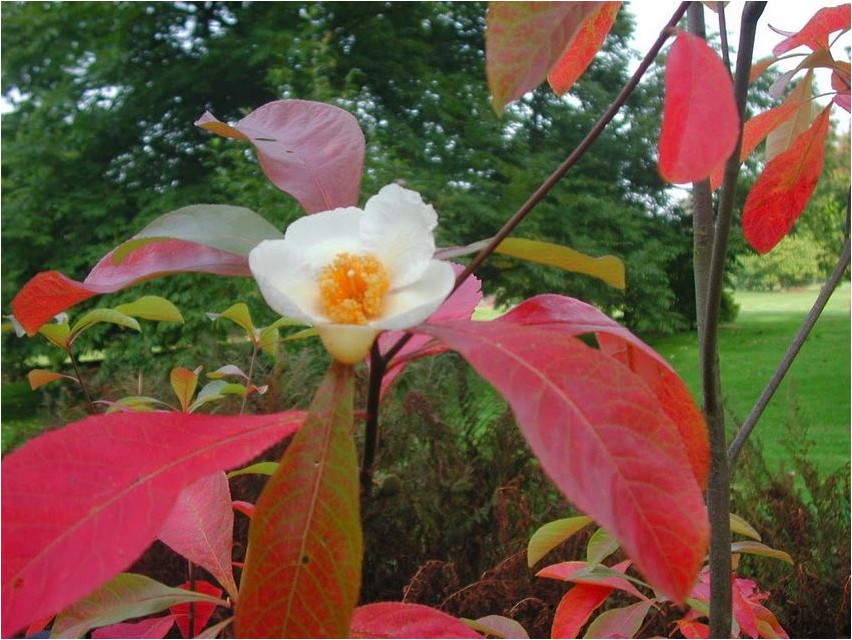
Lagarostrobos (lat. Lagarostrobos) is a coniferous evergreen woody plant belonging to the Podocarpaceae family. The second name for these trees is Yuon pines.
Description
Lagarostrobos is one of the most ancient coniferous plants — some specimens growing in Tasmania managed to reach two thousand years of age! The height of Lagarostrobos reaches thirty meters, and the only representative of this genus is Lagarostrobos Franklin. This tree grows very, very slowly (over the course of a year its diameter increases by no more than one millimeter!), but it can live for more than two and a half thousand years!
Where does it grow
Lagarostrobos grows exclusively in Tasmania — at present it is unlikely to be found in other countries. These pines occupy about eight thousand hectares of the Tasmanian Nature Reserve — where lagarostrobos grows in tropical forests in close proximity to the Gordon River. Here you can see both huge majestic trees and very tiny sprouts.
Lagarostrobos feels best if it grows along the banks of swamps or rivers in cool rain forests.
Over the last century, the habitat of these amazing trees has decreased by as much as fifteen percent, that is, there is currently a trend towards extinction of this species.
Usage
Lagarostrobos boasts an incredibly fragrant and very attractive fine-grained wood — this wood is very highly prized, and was once used quite actively both for the construction of boats and for the manufacture of a wide variety of wooden carvings. The wood of this coniferous tree is surprisingly durable, very strong and at the same time boasts an impressive lightness! At present, lagarostrobos is under the protection of the law, since intensive felling of this tree has led to the fact that it has become less and less common. So now the only suppliers of lagarostrobos wood are only those areas that were flooded with water as a result of dam failures. At the same time, the wood that was saved is stored only in special government warehouses. There can be no talk of any participation of private entrepreneurs in this case! Perhaps in the near future, if it is possible to restore the population of these wonderful trees, lagarostrobos wood will again become more accessible.





