Ash eucalyptus
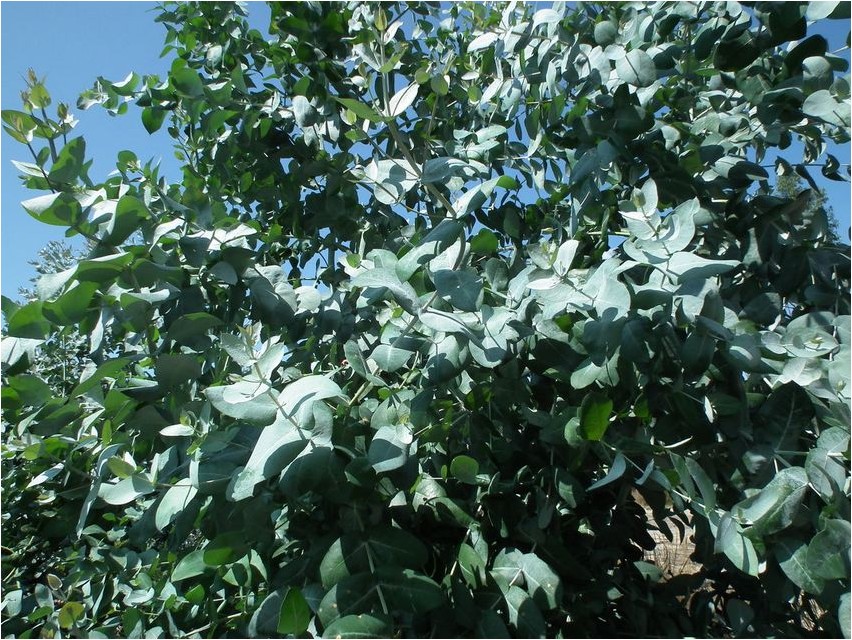
Ash eucalyptus (lat. Eucalyptus cinerea) is a small or medium-sized evergreen tree of the genus Eucalyptus (lat. Eucalyptus), included by botanists in the Myrtaceae family (lat. Myrtaceae).
This species is characterized by grayish-blue leaves and traditional eucalyptus inflorescences of white stamens, covered with a “cap” of fused sepals. The tree is very decorative and has an attractive quality for Russians — it can withstand frosts down to minus 13 degrees.
What”s in your name
The generic name is based on the Greek language, or more precisely, on two Greek words that eventually gave rise to the Latin word “Eucalyptus”, meaning “well covered”. And the plant’s inflorescences, consisting of graceful and fragile numerous stamens, are “well covered.” The stamens are covered by a “cap” formed by nature by fusion of sepals, and sometimes by petals caught along the way. As a result, the inflorescence loses its petals, delighting the world with colorful fluffy stamens.
The specific name “cinerea” (ashy) is explained by the color of the leaves, which seem to be sprinkled with grayish ash, causing them to turn into dull grayish-blue wide-lanceolate plates.
Ash Eucalyptus has many popular names, highlighting its unique small details that distinguish the tree from other species of the genus. For its oval gray-blue leaves, Eucalyptus ash is called “Silver dollar tree”. For an ashy coating on the leaves — “Mealy stringbark” or “Silver-leaf stringbark” (“Silver-leaf stringbark”).
Description
Ash eucalyptus is native to Australia. Due to its winter hardiness, it is popular as an ornamental tree in parks and gardens of the Black Sea coast of the Caucasus, in particular in the glorious Russian city of Sochi.

Ash eucalyptus is a short to medium-sized tree with rough, coarse fibrous bark covering large branches and the tree trunk. The reddish-brown or gray-brown color of the bark turns to a creamy white when it comes to the terminal and small branches of the tree, which are covered with smooth bark.
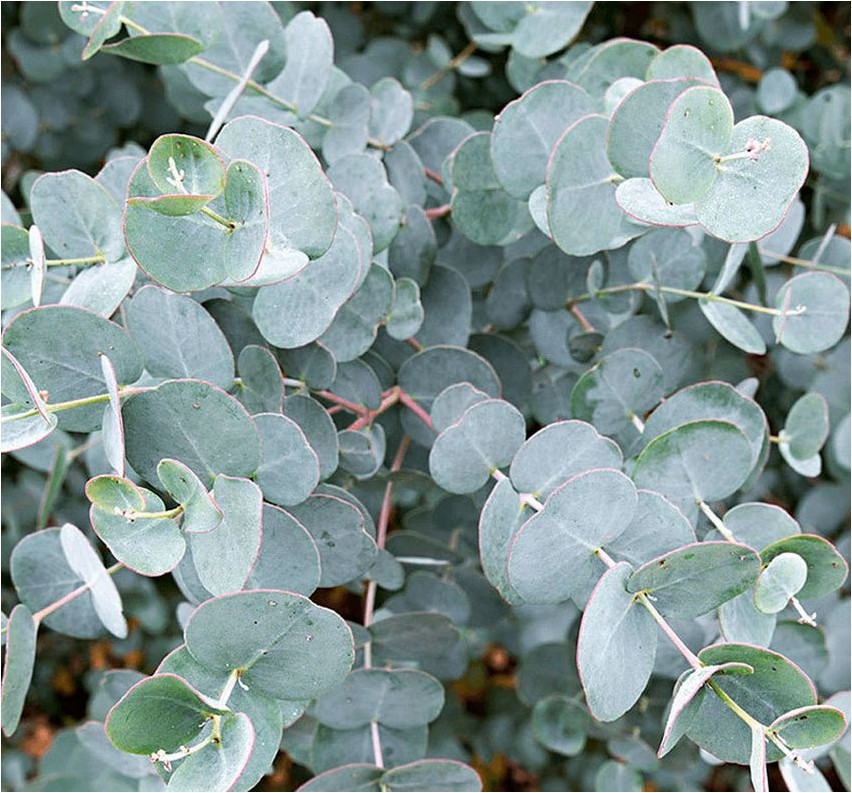
Bright gray, almost rounded young leaves are usually sessile or have short petioles. As they mature, they either simply increase in size or can change their shape to lanceolate, from narrow-lanceolate to broad-lanceolate. The color of the leaf blade also changes, becoming more bluish due to a waxy coating.
Short flower stalks are born in the axils of the leaves, crowned with three white inflorescences with numerous graceful stamens, protected by a conical cap of fused sepals. Flowering time depends on the place of growth.
The inflorescences are replaced by pear-shaped or spherical fruits.
Usage
Silvery leaves of an original shape, beautifully arranged on tree branches, make Ash Eucalyptus attractive for decorating gardens and parks. In addition, like other types of plants of the Eucalyptus genus, in the first years of life, Ash Eucalyptus quickly increases the height of its straight trunk, delighting the gardener.
The disadvantage for growing ornamental trees in the Russian climate is the relative frost resistance. The tree can tolerate sub-zero temperatures not exceeding 12 degrees. At lower temperatures, the tree, unfortunately, will die. Particularly devoted admirers of the beauty of Ash Eucalyptus grow the tree as a houseplant, providing it with large containers for successful development.
In their homeland, they use reddish Eucalyptus wood for crafts, which is not inferior in quality to the wood of the mighty Oak.
The beautiful leaves contain essential oil that can be used for medicinal and cosmetic purposes.